
A Complete Guide to Red Chilli Exports to Australia from India
Published by Prism Exports
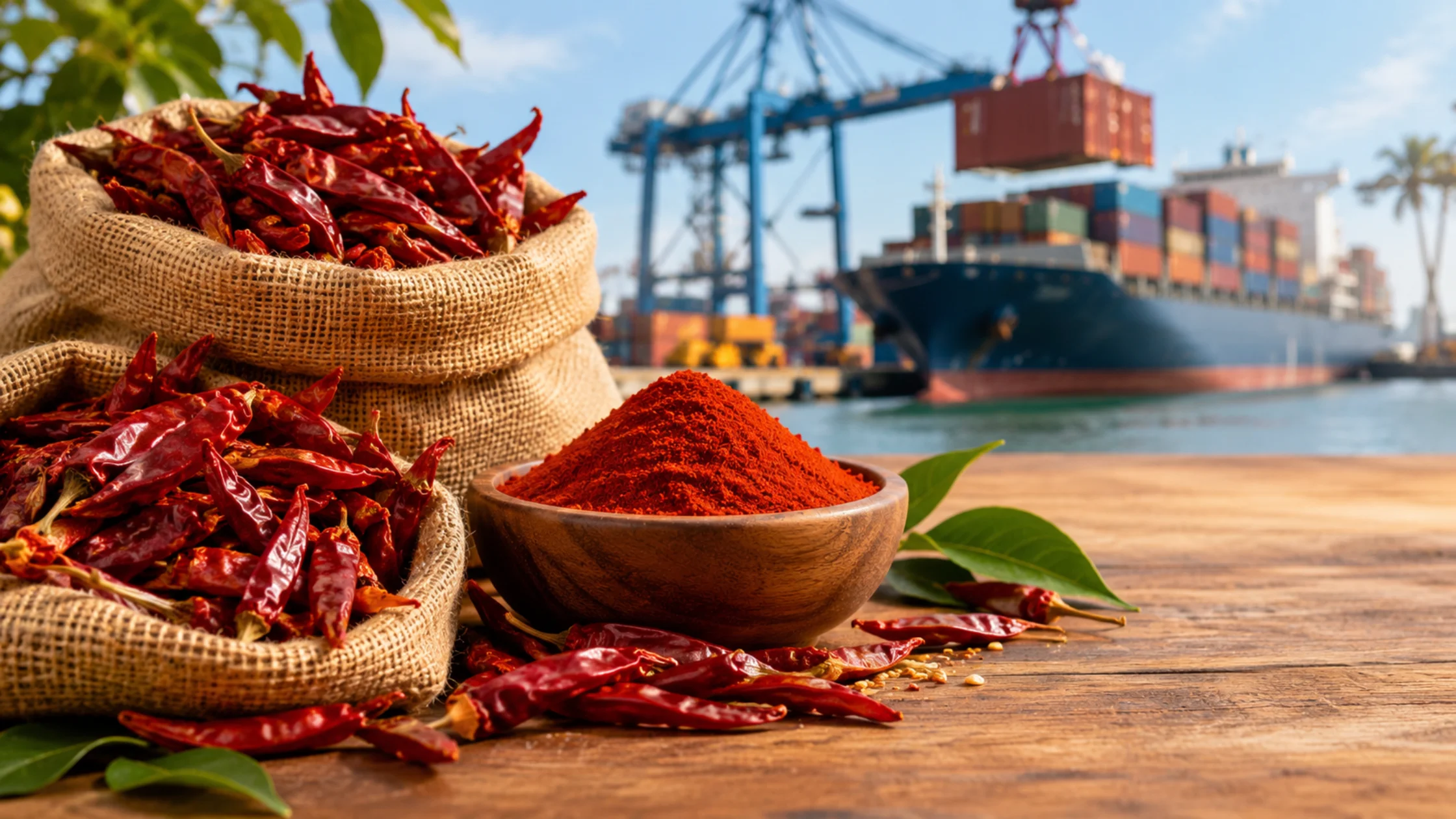
India has a well-established spice industry, with red chilli being one of its important agricultural export products. Known for its rich colour, distinctive flavour and different heat levels, Indian red chilli is used in food manufacturing, restaurants, spice processing and retail markets worldwide. Australia offers opportunities for Indian suppliers serving food distributors, wholesalers and manufacturers looking for quality chilli products.
The growing interest in Red Chilli Exports to Australia makes it important for suppliers to understand product specifications, packaging, shipping and import regulations. Prism Exports focuses on connecting Indian agricultural products with international markets through quality-oriented sourcing and export coordination. With a focus on customer requirements and reliable trade practices, Prism Exports aims to support businesses exploring international spice markets.
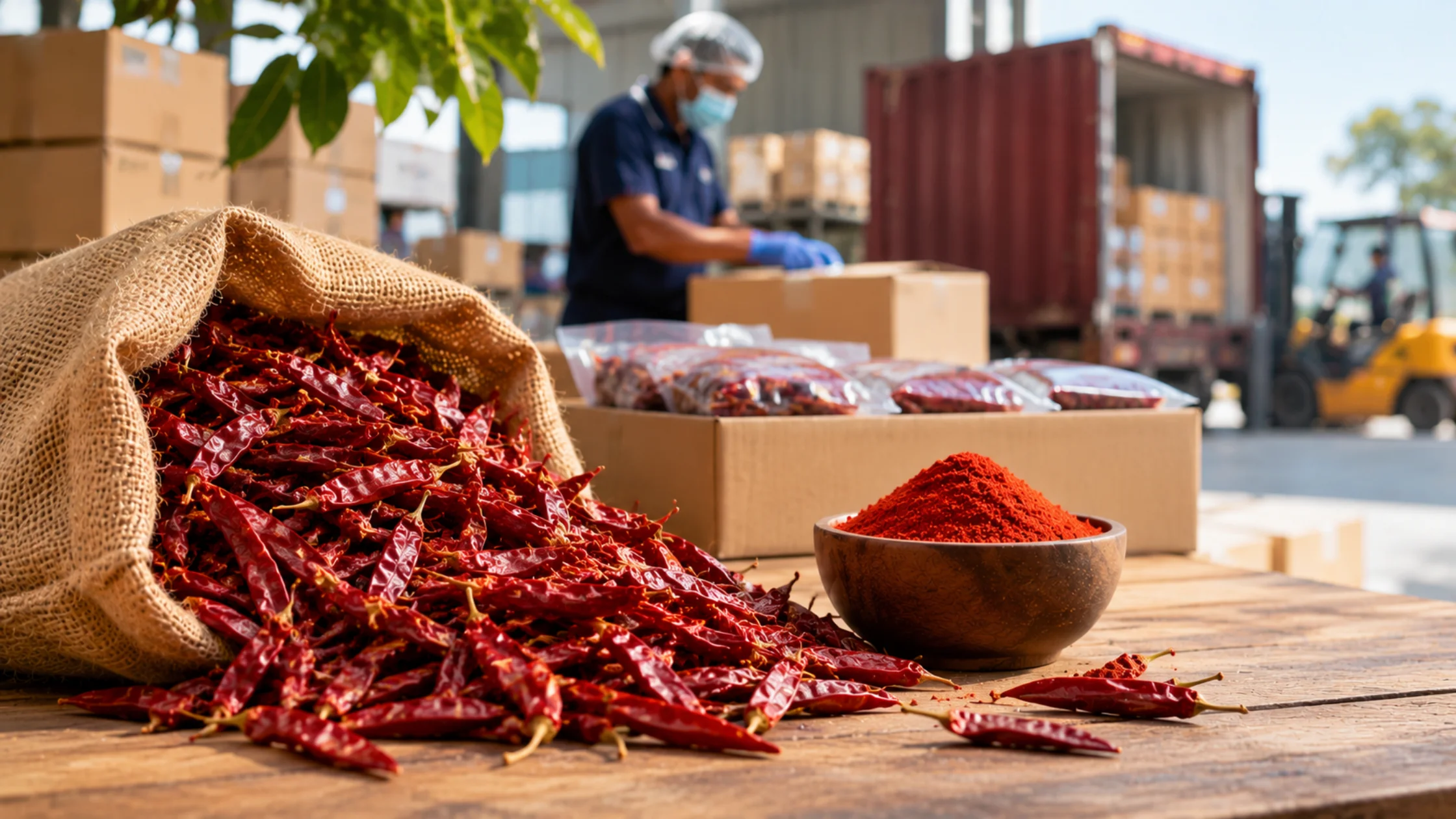
Understanding Red Chilli Exports to Australia from India
Australia has a multicultural food market where Indian spices are used in traditional cooking, restaurants and commercial food production. Red chilli is an important ingredient in curry powders, sauces, spice blends, seasonings and packaged food products.
Australian buyers may look for whole dried chillies, chilli flakes or chilli powder depending on their business requirements.
Some factors influencing the export market include:
Demand from Indian grocery wholesalers and distributors.
Requirements of food processing and manufacturing companies.
Availability of different chilli varieties.
Consistent product quality and competitive pricing.
Compliance with Australian import and food safety regulations.
Understanding these requirements helps suppliers identify suitable buyers and develop long-term business relationships.
Popular Indian Red Chilli Varieties for Export
India cultivates several chilli varieties with different characteristics. Some are preferred for their colour, while others are selected for their pungency and flavour. Understanding these differences helps exporters match products with buyer expectations.
Guntur Red Chilli
Guntur chilli, cultivated in Andhra Pradesh, is recognised for its strong pungency and use in commercial spice production. It is commonly used in chilli powder, seasoning mixtures and processed food products.
Byadgi Red Chilli
Karnataka’s Byadgi chilli is known for its rich red hue and gentle pungency.It is often selected for applications where colour is more important than intense pungency.
Teja Red Chilli
Teja chilli is known for its high heat level. Food manufacturers and spice processors may prefer this variety when they require a stronger spicy flavour.
Kashmiri Red Chilli
Kashmiri chilli is widely recognised for its attractive red colour and comparatively mild pungency. It is commonly used in traditional cooking, sauces and spice blends.
These indian red chilli varieties offer different options for international buyers. Product selection should depend on the intended application, quality specifications and import eligibility.
Quality Standards for Exporting Red Chilli
Product quality is an essential factor in international spice trading. Australian buyers generally expect consistent products that meet their specifications and applicable food safety requirements.
Important Quality Parameters
Exporters should evaluate the following parameters before shipment:
Moisture content: Proper drying helps reduce the possibility of mould development during storage.
Colour consistency: The product should match the buyer's preferred colour grade.
Pungency: Heat levels should be suitable for the intended food application.
Cleanliness: Chillies should be cleaned to minimise dust and unwanted foreign materials.
Pesticide residues: Products must meet applicable maximum residue limits.
Microbiological quality: Relevant food safety testing should be completed.
Packaging: Suitable packaging helps protect the product during transportation.
Importance of Laboratory Testing
Laboratory testing provides information about the quality and safety of chilli consignments. Depending on buyer specifications and applicable regulations, tests may cover moisture, pesticide residues, aflatoxins and microbiological parameters.
Experienced red chilli exporters in india should be able to share relevant product specifications and available laboratory reports with prospective buyers.
Australian Import Regulations and Export Documentation
Australia maintains strict biosecurity requirements to protect its agricultural environment. Therefore, exporters must understand the applicable import conditions before arranging a commercial shipment.
Understanding BICON Requirements
The Australian Department of Agriculture, Fisheries and Forestry manages the Biosecurity Import Conditions system, commonly known as BICON.
Import conditions may differ according to whether the product is whole dried chilli, crushed chilli or ground chilli powder. Buyers should check the exact commodity description, processing method and packaging requirements before placing an order.
Import rules for some dried chilli items may include controls intended to manage khapra beetle risk. Depending on the product category, specific treatments, exemptions or other conditions may apply. Importers should verify the current requirements before shipment rather than assuming that all chilli products are eligible.
Essential Export Documents
The documents required depend on the product and shipment. Common commercial and export documents include:
Commercial invoice.
Packing list.
Purchase order or sales contract.
Shipping bill or export declaration.
Bill of lading or airway bill.
Certificate of Origin, where applicable.
Phytosanitary certificate, if required.
Product specifications and laboratory reports.
Additional declarations or certificates required by Australian authorities.
Indian spice businesses should also check their export registration requirements, including the Importer Exporter Code and applicable Spices Board registration.
Packaging and Labelling Requirements
Proper packaging helps preserve the colour, aroma and quality of dried chillies during international transportation. The packaging method should be selected according to the product type, shipment quantity and buyer requirements.
Common Packaging Options
Exporters may use:
Food-grade PP woven bags with suitable inner liners.
Multi-layer laminated bags.
Vacuum-sealed packaging for selected products.
Bulk bags for industrial buyers.
Retail-ready packs for distributors.
Important Labelling Details
Packaging labels should comply with applicable Australian food labelling regulations. Depending on the product, the information may include:
Product name and description.
Country of origin.
Net weight.
Batch or lot number.
Supplier or manufacturer details.
Storage instructions.
Ingredient and allergen information, where applicable.
Correct labelling and packaging can help reduce avoidable issues during inspection and distribution.
Shipping Methods from India to Australia
Selecting the right transportation method depends on order quantity, delivery schedules, freight costs and buyer requirements.
Sea Freight
Sea freight is generally suitable for large commercial consignments. It is commonly considered by wholesalers and manufacturers who purchase products in bulk and can plan inventory requirements in advance.
Air Freight
Air freight may be appropriate for product samples, smaller orders and urgent deliveries. Although it offers faster transportation, its cost per unit is usually higher.
Sea Freight vs Air Freight Comparison
The final choice should consider the overall logistics budget, delivery expectations and import clearance requirements.
How to Choose Reliable Indian Chilli Suppliers
Choosing the right supplier is important for Australian businesses looking for consistent product quality and dependable deliveries.
When evaluating indian chilli exporters, buyers should consider the following points:
Export experience: Review the supplier's experience in international spice trading.
Product range: Check whether the supplier can provide the required varieties and grades.
Quality assurance: Request samples, product specifications and relevant test reports.
Documentation: Confirm the supplier's ability to coordinate required export paperwork.
Packaging facilities: Check whether packaging can meet the buyer's specifications.
Communication: Choose a supplier who provides clear information about orders and shipments.
Selecting the best spice exporter in india should involve more than comparing quotations. Product consistency, transparency and export coordination are equally important.
Challenges in the Australian Red Chilli Export Market
International spice trading can involve several challenges that suppliers should understand before accepting commercial orders.
Biosecurity and Regulatory Challenges
Australia's biosecurity regulations are strict for agricultural products. Incorrect classification, incomplete documentation or non-compliant processing may result in inspection delays, treatment or other import-related complications.
Seasonal Availability and Price Changes
Chilli production is influenced by weather conditions, agricultural output and market demand. These factors can affect availability and purchasing prices throughout the year.
Transportation and Storage Issues
Poor storage conditions can affect chilli colour, aroma and overall quality. Appropriate packaging, dry storage facilities and careful shipment handling are necessary to maintain product condition.
Businesses exploring Red Chilli Exports to Australia should coordinate with importers and logistics providers to address these challenges before dispatch.
Business Opportunities for Indian Chilli Suppliers
Australia's diverse food industry creates opportunities for Indian spice suppliers serving different customer segments.
Potential buyers include:
Indian grocery distributors.
Wholesale spice traders.
Food manufacturing companies.
Restaurant supply businesses.
Spice processing units.
Private-label food brands.
Suppliers offering different indian red chilli varieties can serve buyers with varying requirements for colour, pungency and processing applications.
Businesses searching for the best spice exporter in india should evaluate sourcing capabilities, quality standards and long-term supply arrangements. Similarly, experienced red chilli exporters in india can support buyers through product selection and shipment coordination.
For Australian importers comparing indian chilli exporters, product samples and clear specifications can make supplier evaluation easier. Working with a dependable red chilli exporter can also support better communication throughout the purchasing process.
Frequently Asked Questions (FAQs)
1. Is Indian red chilli exported to Australia?
Yes, Indian red chilli may be exported to Australia, provided the product satisfies the relevant biosecurity import conditions, food safety regulations and documentation requirements. Importers should check BICON before shipment.
2. Which Indian chilli varieties are popular in international markets?
Guntur, Byadgi, Teja and Kashmiri are recognised varieties. Each offers different characteristics in terms of colour, pungency and flavour, making them suitable for different food applications.
3. What documents are required to export red chilli from India?
Export paperwork often includes the sales invoice, shipment packing details, customs filing, and transport document. Depending on the shipment, additional certificates and laboratory reports may also be necessary.
4. How can Australian buyers find reliable Indian chilli suppliers?
Buyers should evaluate export experience, product quality, supplier registration, packaging standards and documentation capabilities. Requesting samples and reviewing product specifications before confirming bulk orders is recommended.
5. What factors affect red chilli export costs?
Export costs depend on the chilli variety, grade, order quantity, packaging, freight method, insurance and applicable customs or inspection charges.
Conclusion
India's spice industry offers opportunities for suppliers interested in international agricultural trade. However, successful Red Chilli Exports to Australia require careful attention to product selection, quality testing, packaging, documentation and Australian biosecurity requirements.
For wholesalers, food manufacturers and spice distributors, choosing a suitable sourcing partner can make international purchasing more organised. If you are planning to explore the Australian market, Prism Exports can help you discuss product requirements, sourcing options and export enquiries.
Get in touch with Prism Exports to discuss your requirements and explore potential business opportunities in the international spice market. Follow us on Instagram for more export updates and business information.



