
Black Pepper Exports to Germany: Exploring the Difference Between Whole and Ground Pepper
Published by Prism Exports
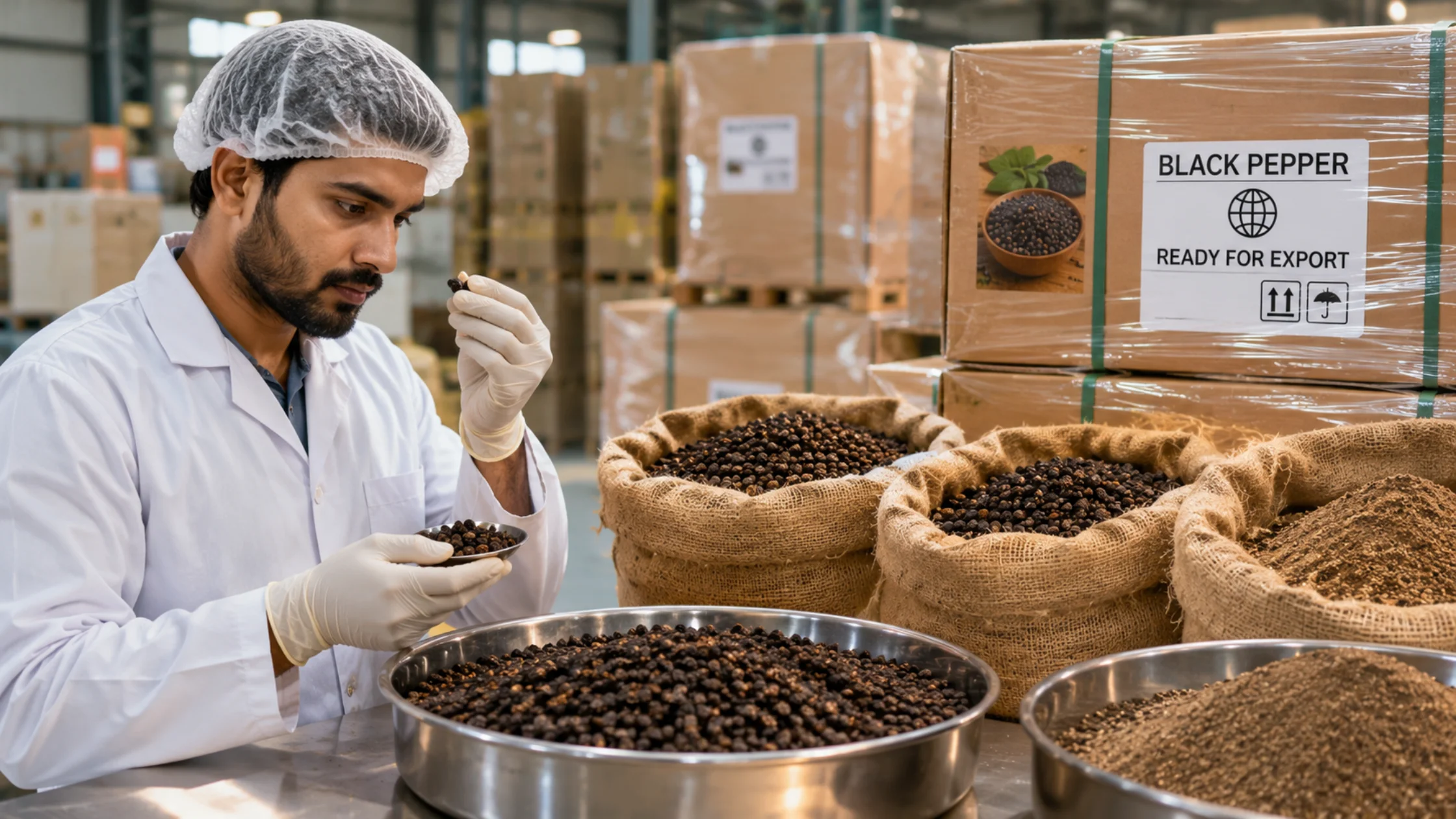
Black pepper is one of the most widely used spices in international food markets. Known for its sharp aroma, distinctive flavour and culinary versatility, it is an essential ingredient in restaurants, food manufacturing, seasoning blends and household kitchens. Germany has a developed food processing and retail industry, creating opportunities for Indian spice suppliers to serve different commercial buyers.
The growing demand for Black Pepper Exports to Germany makes it important for exporters to understand the differences between whole peppercorns and ground pepper. Each product has different storage requirements, applications, packaging needs and buyer preferences. Prism Exports focuses on quality-oriented sourcing and international trade coordination for overseas customers. With attention to product specifications and export requirements, Prism Exports aims to support businesses looking for dependable Indian spice supplies.
Understanding the Black Pepper Market in Germany
Germany is an important destination for imported food ingredients, including spices used in traditional European cooking and international cuisines. Black pepper is widely used in meat preparations, sauces, soups, marinades, ready-to-eat meals and seasoning mixtures.
German buyers may purchase whole peppercorns for grinding and food processing or ready-to-use ground pepper for commercial kitchens and packaged products.
Major Black Pepper Buyer Segments
Potential buyers include:
Spice wholesalers and importers.
Food processing companies.
Restaurants and catering businesses.
Supermarkets and grocery retailers.
Seasoning and spice manufacturers.
Private-label food brands.
Understanding these customer groups helps exporters identify suitable product formats and packaging requirements.
Whole Black Pepper vs Ground Black Pepper
Whole and ground black pepper come from the same spice, but their physical characteristics, shelf life, handling requirements and applications are different.
What Is Whole Black Pepper?
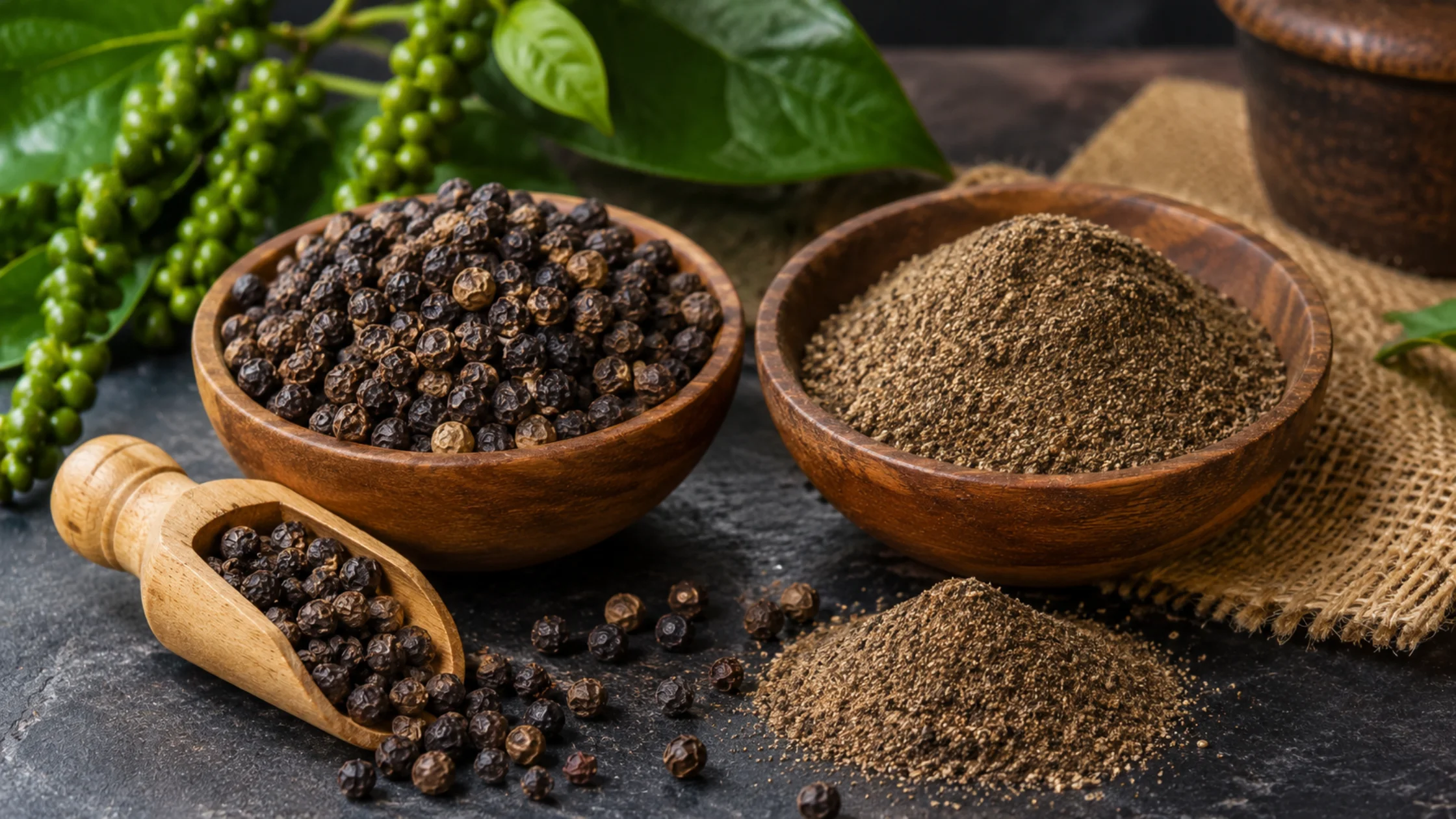
Whole black pepper consists of dried peppercorns obtained from harvested pepper berries. The berries are processed and dried until they develop their characteristic dark, wrinkled appearance.
Whole peppercorns generally retain their aroma and flavour for longer when stored correctly. They are commonly purchased by spice grinders, wholesalers, restaurants and food manufacturers.
What Is Ground Black Pepper?
Ground black pepper is produced by cleaning and grinding dried peppercorns into a fine or coarse powder. It offers convenience because buyers can use it directly without additional grinding.
Ground pepper is commonly used in seasoning blends, packaged food products, sauces and commercial kitchens. However, once ground, the spice has a larger exposed surface area, which can lead to faster aroma loss if packaging and storage are inadequate.
Comparison of Whole and Ground Black Pepper
The right option depends on the buyer's production process, storage facilities and intended application.
Popular Indian Black Pepper Varieties for Export
India has a long history of black pepper cultivation, particularly in the southern states. Indian pepper is valued for its aroma, pungency and suitability for different food applications.
Malabar Black Pepper
Malabar pepper from Kerala is recognised for its traditional growing origin and characteristic flavour. It is commonly used in whole spice products and commercial food preparations.
Tellicherry Black Pepper
Tellicherry pepper is associated with larger, mature peppercorns and is often considered a premium option. It is suitable for speciality food retailers and businesses looking for distinctive whole pepper products.
MG1 Black Pepper
Malabar Garbled 1 (MG1) is a recognised commercial grade of Indian black pepper. Buyers evaluate it based on physical quality, cleanliness and agreed specifications.
Choosing the Right Pepper Grade
Before confirming an order, buyers should evaluate:
Peppercorn size and uniformity.
Moisture content.
Bulk density.
Pungency and piperine content.
Foreign matter and defective berries.
Aroma and overall appearance.
These factors help buyers select a product that meets their manufacturing or retail requirements.
Quality Standards for Black Pepper Exports to Germany
Product quality is essential when supplying spices to the German market. Imported black pepper must satisfy applicable European Union food safety requirements and the buyer's agreed specifications.
Important Quality Parameters
Exporters should pay attention to:
Moisture content and proper drying.
Pesticide residue limits.
Microbiological quality.
Heavy metals and other contaminants.
Aflatoxin requirements, where applicable.
Cleanliness and foreign matter.
Consistent grinding quality for powdered products.
Importance of Laboratory Testing
Laboratory testing helps confirm whether a consignment meets the required specifications. Whole pepper and ground pepper may require different processing checks.
Businesses involved in pepper exports from india should arrange appropriate quality testing and maintain relevant reports before shipment.
Buyers should also request product samples to evaluate aroma, pungency, colour and physical condition before placing large commercial orders.
Packaging Requirements for Whole and Ground Pepper
Packaging plays an important role in maintaining the quality of black pepper during international transportation. Whole peppercorns and ground pepper require different packaging considerations.
Packaging for Whole Black Pepper
Common packaging options include:
Food-grade PP woven bags with inner liners.
Multi-layer moisture-resistant bags.
Jute bags with suitable food-grade liners.
Bulk packaging for commercial buyers.
Packaging for Ground Black Pepper
Ground pepper requires additional protection against moisture, oxygen and aroma loss.
Suitable options may include:
Multi-layer laminated pouches.
Food-grade sealed bags.
Vacuum packaging for selected products.
Bulk food-grade packaging.
Custom retail packs.
For businesses involved in indian masala export, selecting suitable packaging according to the product format can help maintain quality during storage and transportation.
Shipping and Documentation for Germany
Choosing an appropriate shipping method depends on order quantity, transportation costs and delivery schedules.
Sea Freight vs Air Freight
Sea freight is commonly considered for large commercial shipments, while air freight may be suitable for samples and smaller orders.
Common Export Documents
The paperwork needed can vary with the cargo and the rules that apply. It may cover:
Commercial invoice.
Packing list.
Shipping bill or export declaration.
Bill of lading or airway bill.
Certificate of Origin, where applicable.
Product specifications.
Laboratory test reports.
Additional certificates or declarations, if required.
German importers should also verify applicable EU food safety, pesticide residue, contaminant and labelling requirements before confirming a shipment.
How to Choose a Reliable Indian Black Pepper Supplier
Selecting the right supplier is important for maintaining product consistency and building long-term business relationships.
Important Supplier Evaluation Factors
When comparing suppliers, buyers should consider:
Export experience and industry knowledge.
Availability of whole and ground pepper.
Product samples and quality reports.
Cleaning, grading and grinding facilities.
Food-grade packaging capabilities.
Transparent pricing and payment terms.
Export documentation support.
Consistent communication and shipment updates.
A dependable black pepper supplier should be able to explain product grades, processing methods, packaging choices and available quality documentation.
Businesses comparing suppliers for indian masala export should also evaluate their ability to maintain consistent product specifications across repeat orders.
Similarly, an experienced black pepper exporter should understand the requirements of international buyers and coordinate shipments according to agreed commercial terms.
Business Opportunities for Indian Pepper Exporters
Germany offers opportunities for Indian spice businesses serving wholesalers, food manufacturers and speciality retailers.
Potential Product Opportunities
Indian suppliers can explore demand for:
Whole black peppercorns.
Coarse-ground black pepper.
Fine-ground pepper powder.
Custom seasoning ingredients.
Bulk pepper supplies for food processing.
Retail-ready spice packaging.
Businesses planning pepper exports from india can explore partnerships with German importers, spice distributors and food processing companies.
Suppliers offering both whole and ground pepper may also serve different customer segments. However, product quality, packaging and regulatory compliance should remain priorities.
For buyers searching for a reliable black pepper supplier, comparing product samples and technical specifications can help simplify supplier selection.
An experienced black pepper exporter can also help buyers understand product availability, export documentation and shipment arrangements.
Frequently Asked Questions (FAQs)
1. What is the difference between whole and ground black pepper?
Whole black pepper consists of dried peppercorns, while ground black pepper is produced by grinding them into powder. Whole pepper generally retains its aroma longer, whereas ground pepper offers greater convenience.
2. Which Indian black pepper varieties are popular in Germany?
Malabar, Tellicherry and commercially graded MG1 black pepper are recognised Indian options. The right variety depends on the buyer's quality specifications and intended application.
3. What documents are required to export black pepper to Germany?
Export paperwork often includes the sales invoice, package details, customs export filing, and transport record. Product-specific certificates or lab results may also be needed to meet relevant EU rules.
4. How should black pepper be packaged for international shipping?
Whole pepper can be packed in food-grade bags with suitable liners, while ground pepper generally requires sealed, moisture-resistant packaging to protect its aroma and quality.
5. How can German businesses find reliable Indian black pepper exporters?
Buyers should compare supplier experience, product samples, quality reports, processing facilities, packaging options and export documentation capabilities before confirming an order.
Conclusion
Germany offers opportunities for Indian spice suppliers looking to serve international wholesalers, food manufacturers and speciality retailers. Whole black pepper provides better flexibility for fresh grinding and longer aroma retention, while ground pepper offers convenience for commercial food production and retail applications.
Successful Black Pepper Exports to Germany depend on choosing the right product format, maintaining consistent quality, using appropriate packaging and meeting applicable European import requirements.
If you are exploring Indian black pepper sourcing, Prism Exports aims to support international buyers through quality-focused sourcing and export coordination.
For product enquiries, sourcing discussions and commercial requirements, connect with Prism Exports to explore suitable Indian spice supply options. For more details, export updates and product information, follow us on Instagram: Prism Exports Instagram.



