Coffee Exporter to Canada: Sourcing Indian Coffee Beans
Published by Prism Exports
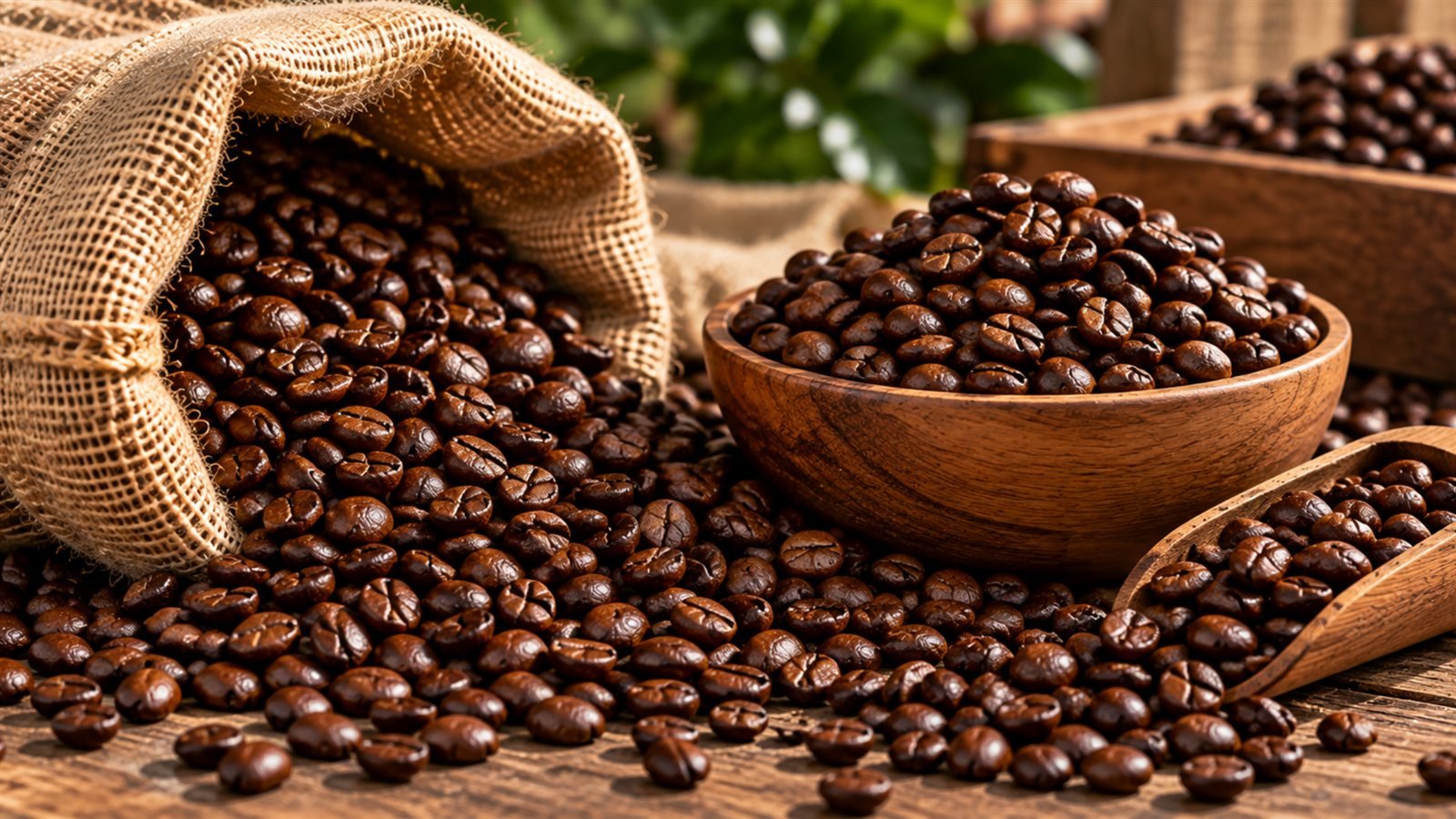
A roaster in Vancouver and one in Halifax may face different logistics with the same bag of green coffee, but both ask a coffee exporter to Canada the same questions: Can you show the lot? Can you verify its specifications? Will the beans arrive at the promised moisture level after crossing the ocean into a Canadian winter? Prism Exports helps buyers assess Indian coffee lots and plan shipments around their requirements.
Indian coffee is less familiar to many Canadian roasters than beans from Ethiopia or Colombia, which can create an opportunity for buyers seeking distinctive blend components at a workable price. Prism Exports can help you explore origins, profiles, and sourcing options for the Canadian market.
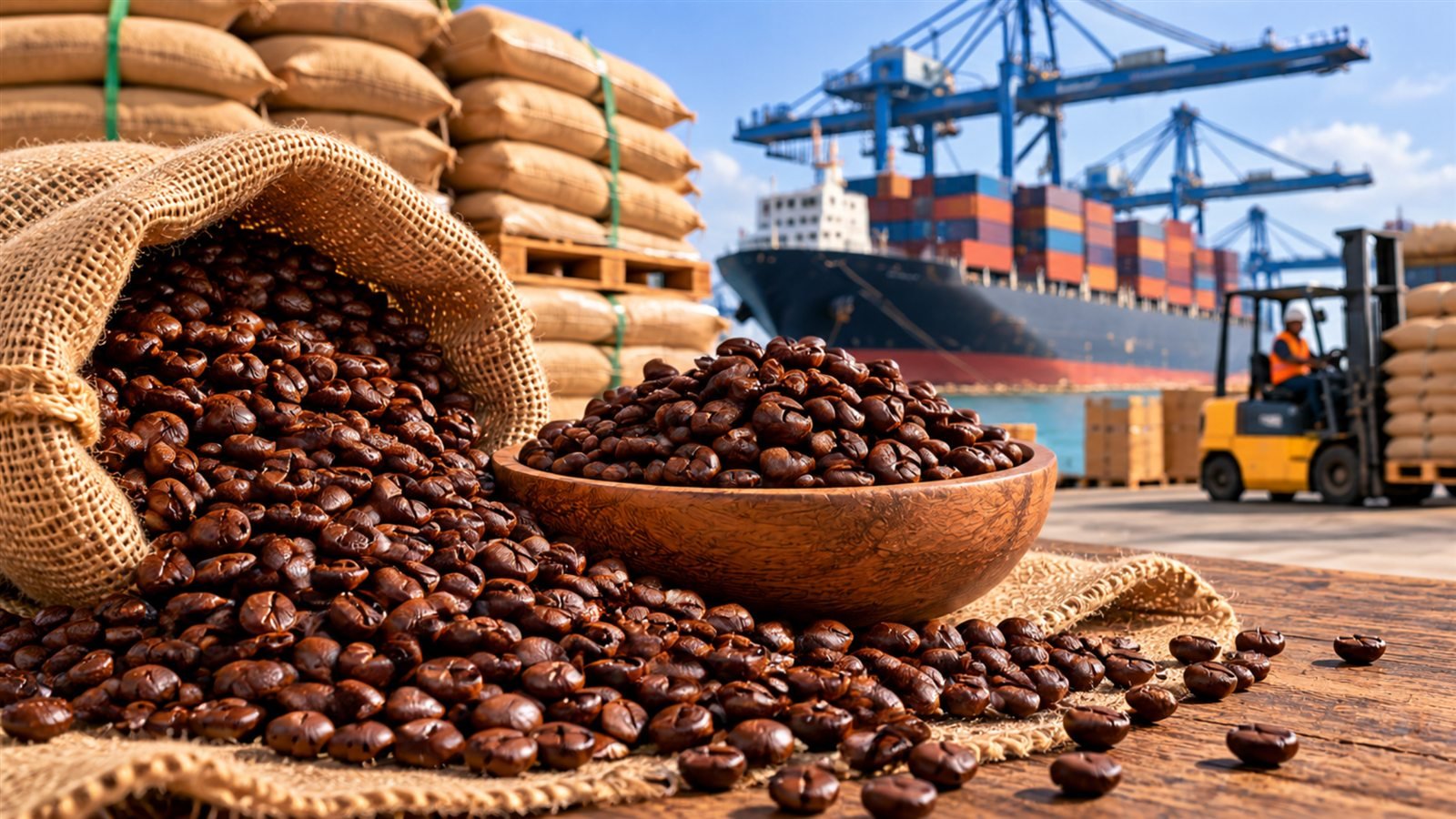
What Canadian Roasters Want From a Coffee Supplier to Canada
The Canadian market splits fairly cleanly. Large-volume roasters and private-label packers buy blend components on price and consistency. Specialty roasters in Toronto, Montreal, Vancouver and many smaller cities buy on cup quality, traceability and story, and pay a differential for both.
Both segments matter to an Indian coffee exporter, but they need different handling. The volume buyer wants the same cup twelve months running and a firm delivery calendar. The specialty buyer wants estate names, processing detail, harvest dates and a sample they can cup before committing to twenty bags. A coffee exporter to Canada that serves both usually keeps two separate offer sheets rather than one compromise.
Indian Origins Worth Putting in Front of a Canadian Buyer
India’s growing regions sit in Karnataka, Kerala and Tamil Nadu, mostly under shade canopy at moderate elevations. That shade-grown structure is worth mentioning to Canadian buyers, because biodiversity and environmental claims carry real weight in that market when an Indian coffee bean supplier can substantiate them.
Arabica Options
Washed arabicas from Chikmagalur, Coorg and the Baba Budangiri hills give a balanced, medium-acid cup that works as a blend base or a straightforward single origin. Naturals and honey-processed lots from the same estates have improved and suit roasters wanting fruit-forward profiles without Ethiopian prices.
Canephora and Monsooned Malabar
India’s canephora, better known in the trade by its older name, is unusually clean when washed and gives body and crema in espresso blends. Monsooned Malabar is the genuine curiosity: beans held in open warehouses through the monsoon swell and lose acidity, producing a heavy, earthy, very low-acid cup. It divides opinion, which makes it a distinctive offering rather than a default.
| Offer | Best fit | What to send first |
| Washed arabica AA | Blend base, filter programmes | 300 g sample, cupping notes |
| Natural arabica | Specialty single origin | Sample plus estate and process detail |
| Washed canephora | Espresso blends | Sample plus screen and defect report |
| Monsooned Malabar | Distinctive menu offering | Sample plus explanation of the process |
Certifications and Traceability a Coffee Exporter to Canada Should Expect
Canadian specialty buyers ask about certification early. Organic claims require certification recognised under the Canada Organic Regime, and equivalency arrangements determine which foreign certificates are accepted, so verify the specific route before making any organic claim on a shipment. Fairtrade and Rainforest Alliance both appear regularly on Canadian shelves.
Even without certification, traceability sells. Estate name, elevation, varietal, processing method, harvest window and a current cupping score do more for a Canadian roaster’s marketing than a generic grade description ever will. A coffee beans exporter from India that supplies that data set consistently is competing on something other than price, which is a better place to stand.
Canadian Import Requirements You Need to Understand
Food imported into Canada falls under the Safe Food for Canadians Regulations, administered by the Canadian Food Inspection Agency. In practice the importer of record generally needs a valid SFC licence and a preventive control plan, and shipments must have traceability records back one step and forward one step. Confirm your own obligations with a Canadian customs broker, as requirements and exemptions vary by product and role.
Labelling is the other area worth planning early. Consumer-facing packaging in Canada generally requires bilingual English and French information, and the responsibility usually lands with whoever packs for retail. For green coffee shipped in bulk, bag marking and documentation are the practical concerns: shipper, consignee, lot, grade, crop year, net weight and origin, matching every document exactly. A coffee supplier to Canada with regular customers there will already have that marking format on file.
Freight and Winter Realities Your Coffee Exporter to Canada Must Plan For
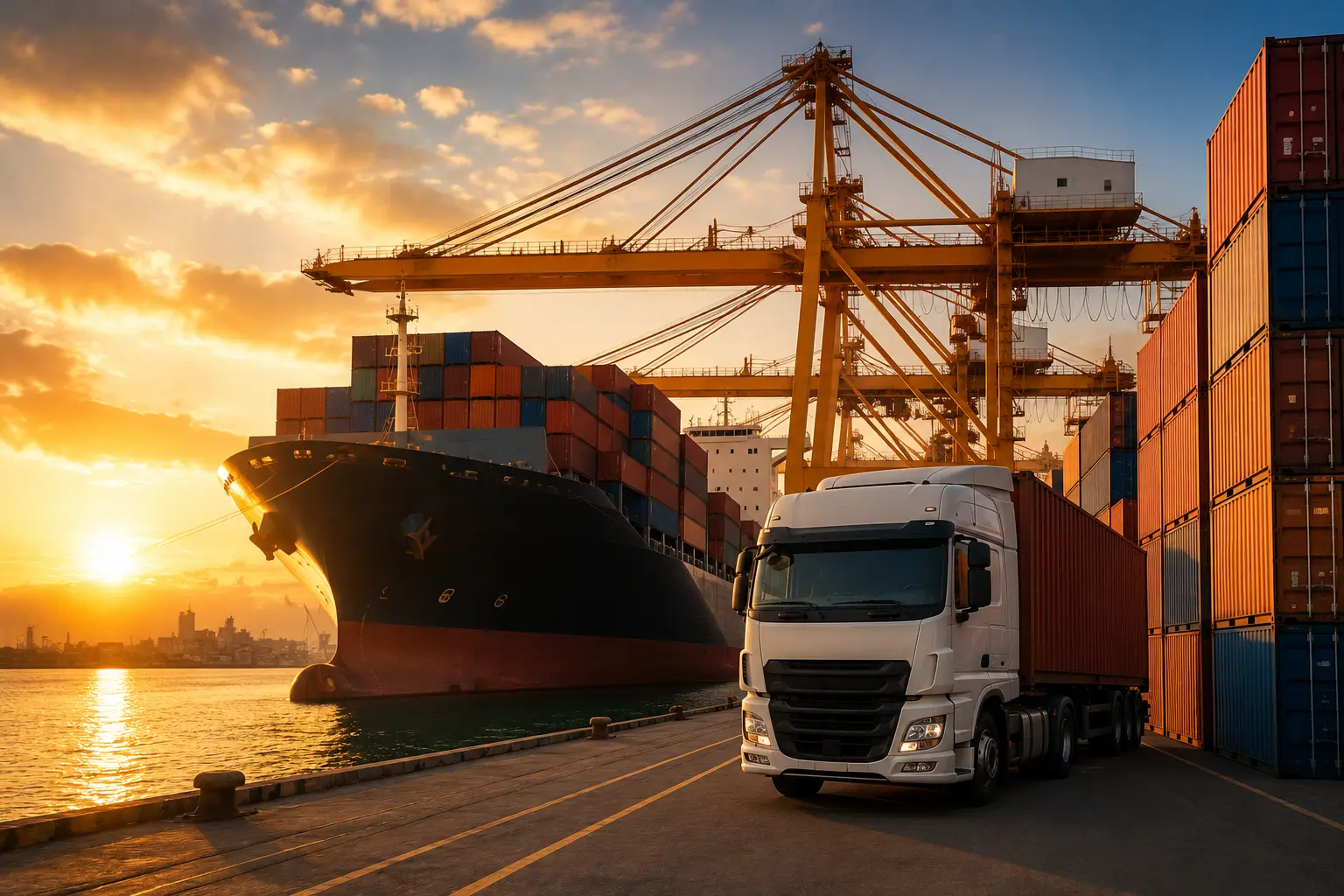
This is where India-to-Canada differs sharply from shorter lanes. Transit is long, often five to seven weeks depending on routing, transshipment and whether cargo lands at Vancouver, Montreal, Halifax or Prince Rupert. Add rail inland to Toronto, Calgary or Edmonton and the cycle approaches two months.
- West coast entry suits buyers in British Columbia and the prairies
- East coast entry usually works better for Ontario, Quebec and the Atlantic provinces
- Winter arrivals can face weather delays at port and on rail
- Condensation is a real risk when a warm container meets a cold terminal
- Longer transit makes moisture control more critical than on shorter routes
Ask your coffee supplier to Canada how they handle that condensation risk. Barrier liners inside jute bags, desiccant, and loading at the right moisture rather than at the contract ceiling are all reasonable answers. Vague reassurance isn’t, and a coffee beans exporter from India shipping regularly to North America will answer without hesitating.
Packing, Lot Sizes and Working With a Coffee Exporter to Canada
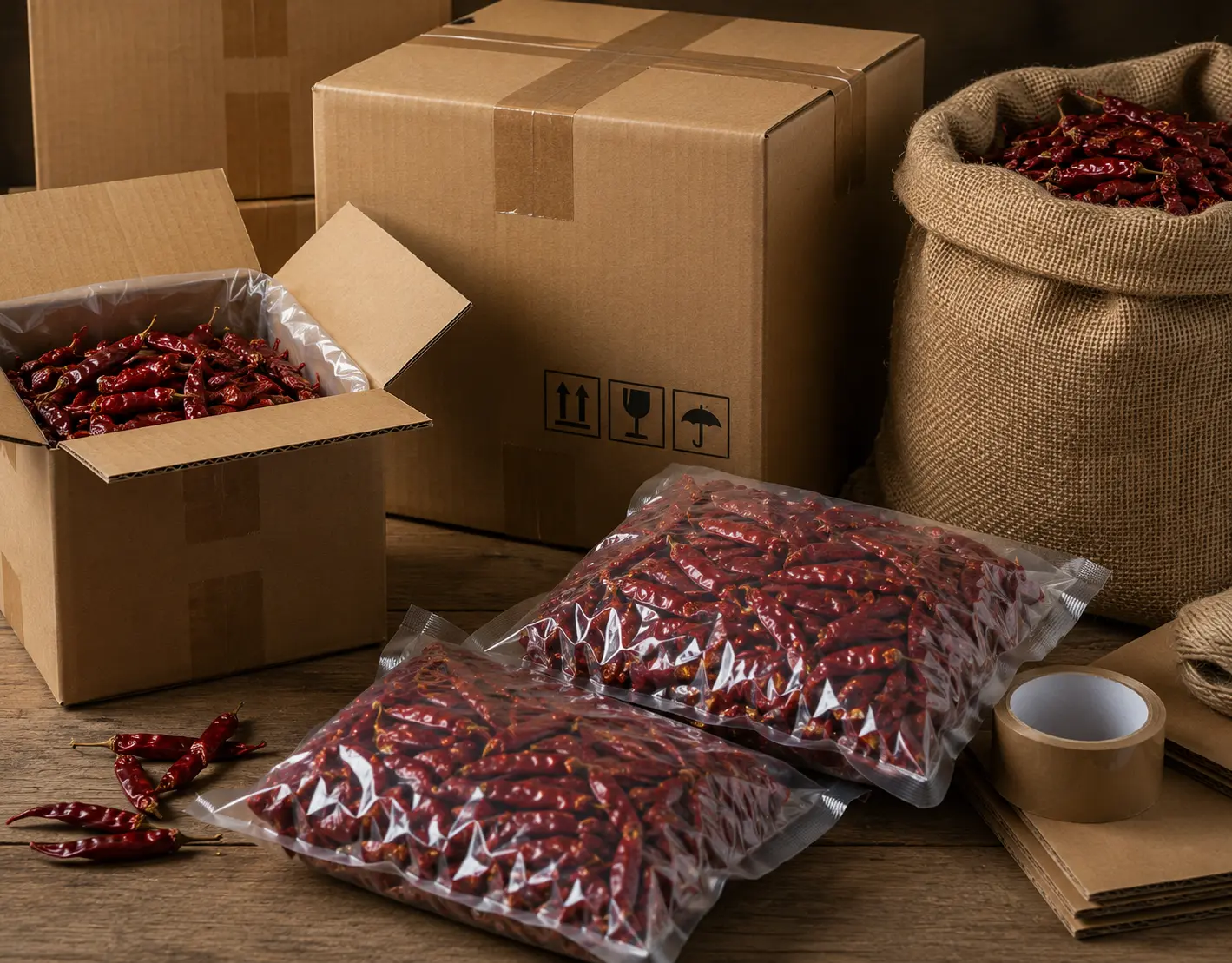
Standard export packing is 60 kg jute bags, with a barrier liner where transit or storage will be long. A 20ft container holds roughly 300 to 320 bags.
Not every Canadian roaster wants a container. Many buy 5 to 10 bags at a time from a local importer’s warehouse. If you’re buying direct, a part-container lot or a consolidation with other buyers is often the sensible entry point, even at a higher per-kilo cost. A pragmatic Indian coffee bean supplier discusses consolidation rather than insisting on a full load from a first-time buyer.
Pricing and Payment With an Indian Coffee Exporter
Arabica pricing references the ICE futures market, canephora the London contract, with differentials by origin, grade and certification. Ask any coffee bean supplier India registers for export to break the quote into parts:
- Futures reference and the differential applied
- Packing, bagging and liners
- Inland haulage to the load port
- Ocean freight, in USD per tonne or per bag
Payment usually starts with an irrevocable letter of credit at sight, moving toward documents against payment as trust builds. Because the transit is long, agree in advance with your coffee exporter to Canada how quality disputes are resolved, which arbitration rules apply, and who bears the cost of an independent survey. Those clauses are cheap to write and expensive to omit.
Frequently Asked Questions
How long does shipping take from India to Canada?
Expect roughly five to seven weeks at sea, depending on routing and transshipment, plus rail time if the coffee moves inland. Add two to four weeks for lot preparation and documentation before loading. Planning on a two-month cycle from order to warehouse is realistic, with more buffer in winter.
What is the minimum order from a coffee exporter to Canada?
A full 20ft container of roughly 300 to 320 bags is standard, though many exporters consolidate part-container lots of 5 to 10 tonnes for a first order at a higher per-tonne rate. Ask the coffee bean supplier India lists as your source about consolidation. Cupping samples of 300 g to 1 kg are usually free.
Do I need a licence to import green coffee into Canada?
Generally the importer of record needs a Safe Food for Canadians licence and a preventive control plan, along with traceability records. Requirements vary with your role in the supply chain, so confirm your specific position with a Canadian customs broker or the CFIA before your first shipment rather than after it arrives.
Will Indian coffee survive a long winter transit?
It will, provided moisture is controlled at origin and packing suits the route. Load at a sensible moisture level, use barrier liners for long transit, and inspect on arrival for condensation damage. An Indian coffee exporter with experience on this lane already does all three without being asked.
Conclusion
Buying Indian coffee for the Canadian market rewards preparation. Request samples from the actual lots, verify certification claims through the appropriate channels, and plan for a longer shipping cycle. Choose a coffee exporter to Canada who understands both the cupping process and the paperwork your shipment requires. Indian coffee can also give Canadian customers an origin story and flavour profile they may not already know.
If you’re evaluating Indian lots or planning a first consolidated shipment, Prism Exports can help you discuss grades, volumes, and timelines. Connect with the Prism Exports team to explore options that fit your business and plan your next shipment.
For updates and more information, follow Prism Exports on Instagram.