Coffee Exporter to Croatia: What Buyers Should Know
Published by Prism Exports
Croatians often treat coffee as a social occasion, which puts a premium on cup quality even in a relatively small market. That makes the questions buyers ask a coffee exporter to Croatia different from those asked by mass-market soluble coffee buyers. Prism Exports can help buyers discuss grades and quality expectations for their target market.
Volumes may be modest, but EU compliance requirements still apply, and coastal tourism can affect seasonal demand. This guide covers grade selection, contaminant and residue requirements, deforestation due diligence, freight routing through the northern Adriatic, and commercial terms to clarify before signing. Prism Exports can help you consider these factors as you plan your sourcing.
Croatia’s Coffee Habit and What It Means for Buyers
Café consumption dominates. Espresso and milk drinks lead, which pushes blends towards a base that carries crema and body, usually with robusta sitting under a washed arabica top note. Retail packs matter, but the terrace trade sets the profile most roasters build around.
Demand moves with the season. Coastal towns from Rovinj to Dubrovnik see consumption climb sharply through summer, so roasters serving that trade want stock landed by late spring. Working back from a May arrival means contracting in January or February. A coffee supplier to Croatia who knows that calendar will raise it before you do.
Scale shapes everything else. Few Croatian roasters move multiple containers a month, which makes container sizing and port warehousing more important than in a larger market. Tell any coffee exporter to Croatia your realistic annual volume up front.
Matching an Indian Coffee Exporter to the Croatian Market
Precision beats enthusiasm. A useful Indian coffee exporter names the grade, screen size and defect tolerance in the first exchange rather than promising “export quality”.
Robusta for Espresso Blends
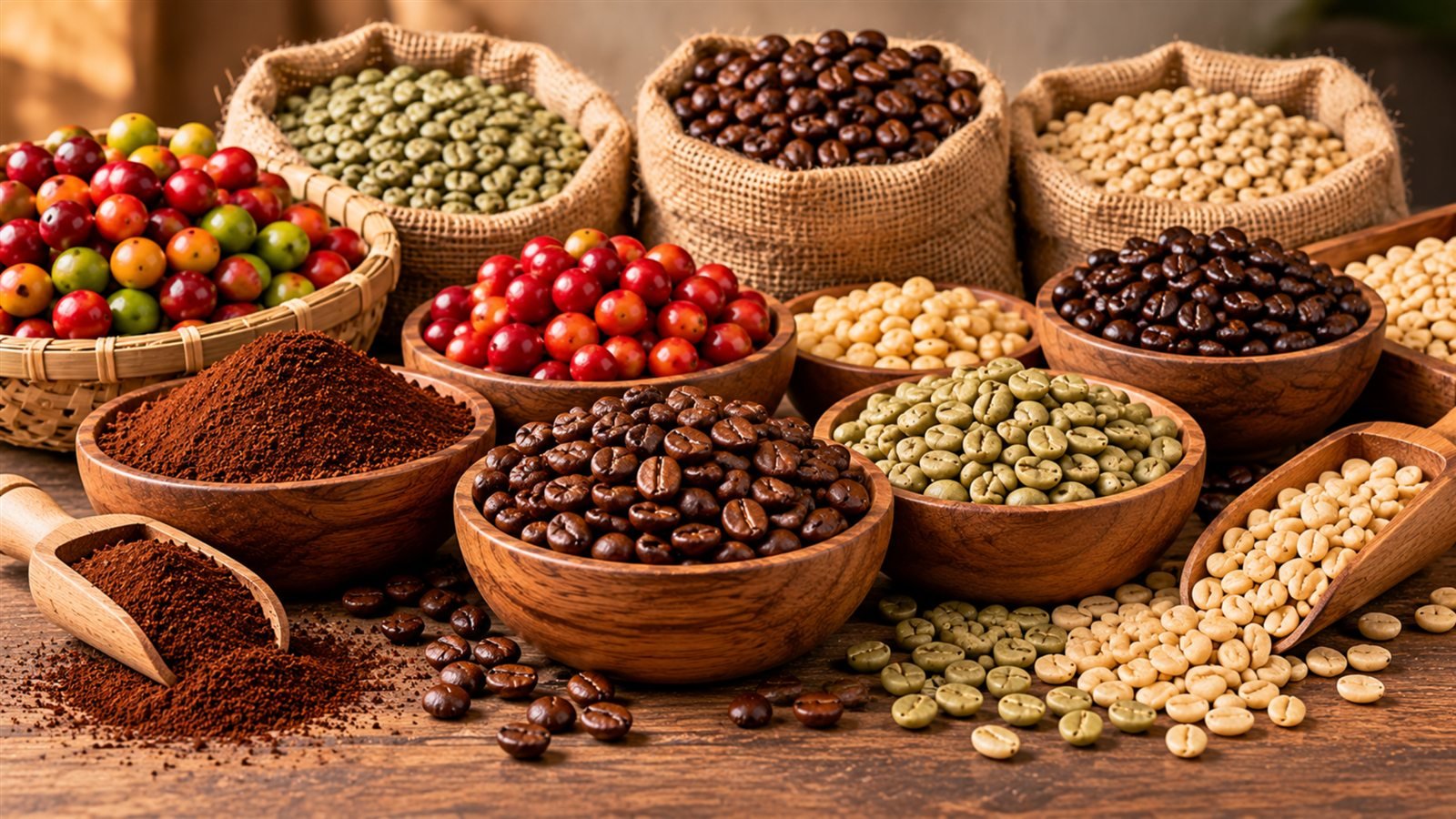
Robusta Cherry grades AA, AB, PB and C, with AA retained on screen 18 and AB on screen 15. Robusta Parchment is washed and dried in the husk, giving a cleaner cup with less of the woody edge that puts speciality roasters off robusta. Kaapi Royale, the premium washed robusta, suits a café blend rather than a supermarket private label.
Arabica and Monsooned Lots
Arabica Plantation A, B and C are washed lots separated by screen, Plantation A the largest bean. Arabica Cherry is the natural-processed version. Monsooned Malabar AA is genuinely distinctive: exposure to monsoon winds swells the bean and strips acidity, giving a heavy, earthy cup a Croatian roaster can build a single-origin story around.
EU Rules a Coffee Exporter to Croatia Must Meet
Croatia imports under EU law, so the requirements match the rest of the single market. Green coffee generally sits under HS heading 0901 and unroasted coffee normally enters duty free, though your customs agent should confirm current TARIC treatment for your code.
Contaminants and Residues
EU rules set maximum levels for ochratoxin A in roasted and soluble coffee, and pesticide residues must fall within EU maximum residue levels. Green coffee is bought against those downstream limits, so contracts commonly specify ochratoxin A at or below the level your roasted product must meet. Ask any coffee supplier to Croatia for testing at origin, and reserve the right to test on arrival.
Deforestation Due Diligence
Coffee falls within the EU’s deforestation regulation, so operators placing it on the market need geolocation data for the plots of production and a due diligence statement. Establish early whether your supplier can provide plot-level data in a usable format. A coffee beans exporter from India who cannot answer that becomes a customs problem, not just an inconvenience.
Quality Specification and Lab Testing
Write the specification down. “Standard quality” is not a specification, and it causes more first-container disputes than anything else.
| Parameter | Typical contract spec | Why buyers care |
| Moisture | 10.5% to 12.5% | Above range risks mould and weight loss claims |
| Foreign matter | 0.5% maximum | Stones damage roaster intake and destoners |
| Black and broken beans | 2% to 5% by grade | Drives roast evenness and cup cleanliness |
| Screen retention | 90% on stated screen | This is the grade you paid a differential for |
| Ochratoxin A | Contracted to meet EU limits | Reflects drying and storage discipline |
| Pesticide residues | Within EU MRLs | Non-compliance stops the consignment at entry |
Pre-shipment analysis from a NABL-accredited laboratory is the baseline. On a first shipment, an independent surveyor drawing samples at stuffing costs little against container value, and any serious Indian coffee bean supplier will accept it without argument.
Order Sizes, Container Loading and Freight Routing
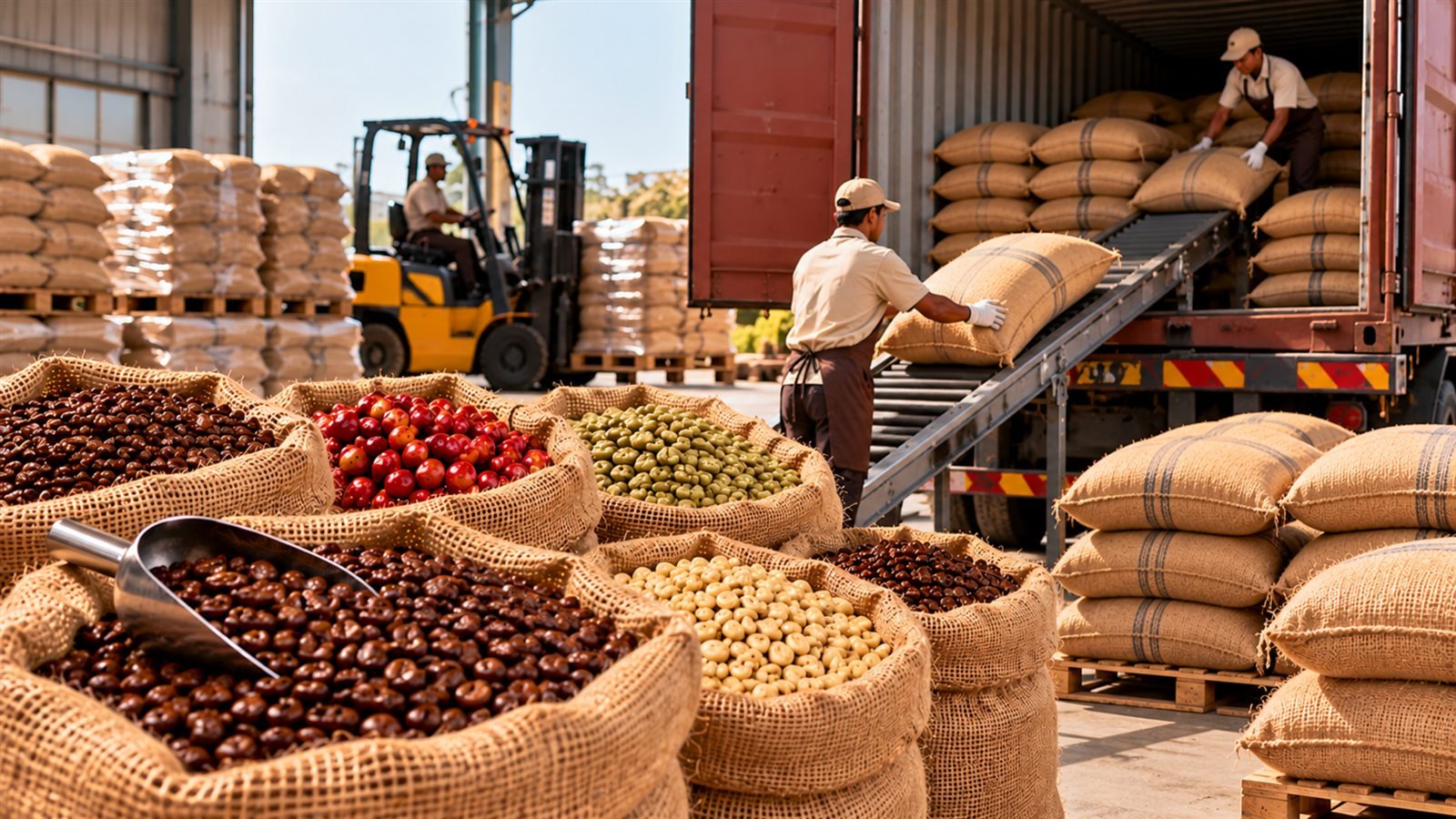
A 20-foot container holds roughly 320 jute bags of 60 kg, about 19.2 MT. Loaded loose in a food-grade liner it takes closer to 21 MT at lower packing cost, though you need bulk discharge capability at the other end. For Croatian volumes the practical options come down to this:
- Full 20-foot container: best cost per kilo, but 19 MT is a lot for a small roastery to turn over before quality drifts
- LCL of 1 MT to 5 MT: flexible for trials or single-origin lots, though freight per kilo rises steeply
- Shared container: worth exploring if you know a roaster with complementary needs
A coffee exporter to Croatia will usually route from Cochin, Chennai or Mangalore through Suez to Rijeka, or via Koper with onward road haulage. Transit of three to five weeks is normal, generally with one transhipment.
How to Assess a Coffee Exporter to Croatia
Search “coffee bean supplier India” and hundreds of listings appear. The gap between a trading intermediary and a firm with real processing control shows up on the third container, not the first.
Coffee Bean Supplier India: What to Verify
- Coffee Board of India registration, a valid IEC code and an FSSAI licence
- Curing works access and an accredited laboratory, in-house or named
- A sealed reference sample system so repeat lots can be measured
- Plot-level traceability data suitable for EU due diligence
- Written tolerances for moisture, defects and screen retention
A coffee exporter to Croatia who tells you a lot is not available at the screen you want, rather than shipping something close and hoping, is worth keeping.
Pricing, Incoterms and Payment Terms
Green coffee prices against the London robusta contract or the New York arabica contract, plus or minus a differential for grade, screen and defect count. Ask for that differential as a separate figure so you can see what quality is costing.
Quotes come in USD per MT with a stated validity, normally FOB an Indian port or CIF Rijeka. CIF is simpler for smaller buyers without a forwarder. Payment is commonly an irrevocable letter of credit at sight, or part advance with the balance against documents once a relationship exists. An established Indian coffee bean supplier rarely offers open account terms to a first-time buyer, and you should be wary of one who does.
Frequently Asked Questions
What is the minimum order for Indian green coffee?
One 20-foot container, about 19 MT bagged, is the standard minimum for bulk green coffee. LCL lots of one to five tonnes work for speciality arabica or trial shipments, though per-kilo freight climbs and schedules loosen. Many exporters accept a trial volume if a larger programme is planned.
Does Indian coffee enter Croatia duty free?
Unroasted green coffee normally enters the EU without customs duty, but VAT applies at import and the consignment must still satisfy EU residue, contaminant and due diligence rules. Confirm the current TARIC position for your exact commodity code with a licensed customs agent first.
What documents does a coffee beans exporter from India provide?
Ask a coffee exporter to Croatia for the commercial invoice, packing list, bill of lading, certificate of origin, ICO certificate, laboratory report, fumigation certificate where required, and traceability data. Your side files the customs declaration under an EORI number and holds the due diligence statement as importing operator.
When should I order for the summer season?
Croatian coastal demand peaks from June through September. Working back from a late-May arrival means contracting in January or February to allow lot allocation, testing, stuffing and three to five weeks in transit. Ordering in April usually means paying up or taking whatever grade is uncommitted.
Conclusion
Croatia is a small market with high standards. Put the specification and tolerances in the contract, confirm that traceability data will arrive in a usable format, and plan orders around the summer demand curve. A coffee exporter to Croatia who raises compliance questions early can help you address them before the shipment reaches customs.
Match the grade to what your café customers serve, keep a sealed reference sample, and plan order sizes around your sales pace. Prism Exports can help you review specifications, routing, and volumes for your business. Start a conversation with the Prism Exports team to discuss your sourcing needs and plan your next shipment.
For updates, follow Prism Exports on Instagram.