Coffee Exporter to Latvia: Sourcing Coffee from India
Published by Prism Exports
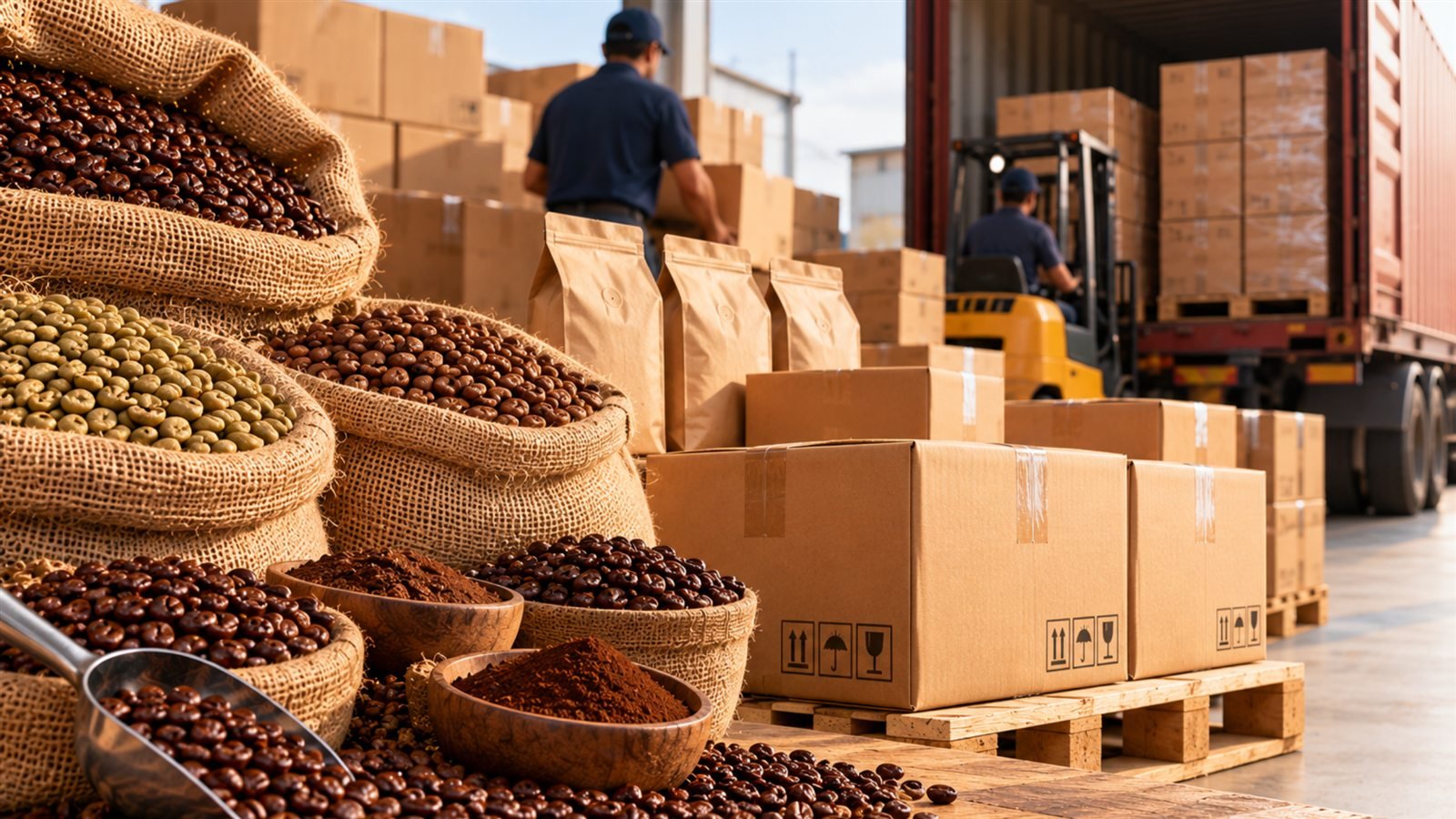
A Riga roaster changing origins often has one main concern: will the beans delivered to the warehouse match the sample cupped three months earlier? Managing that gap is a key part of choosing a coffee exporter to Latvia. Clear grade definitions, lot traceability, and independently verifiable testing can help buyers compare samples with delivered coffee. Prism Exports can help you discuss these checks when sourcing Indian beans.
India may not be the first origin Baltic buyers consider, but it offers shade-grown canephora with body and washed Arabica suited to filter blends. Landed costs and consistency can also make Indian coffee worth evaluating. Prism Exports can help buyers explore grades and lots for their needs.
Why Latvian Buyers Are Looking at Indian Origin
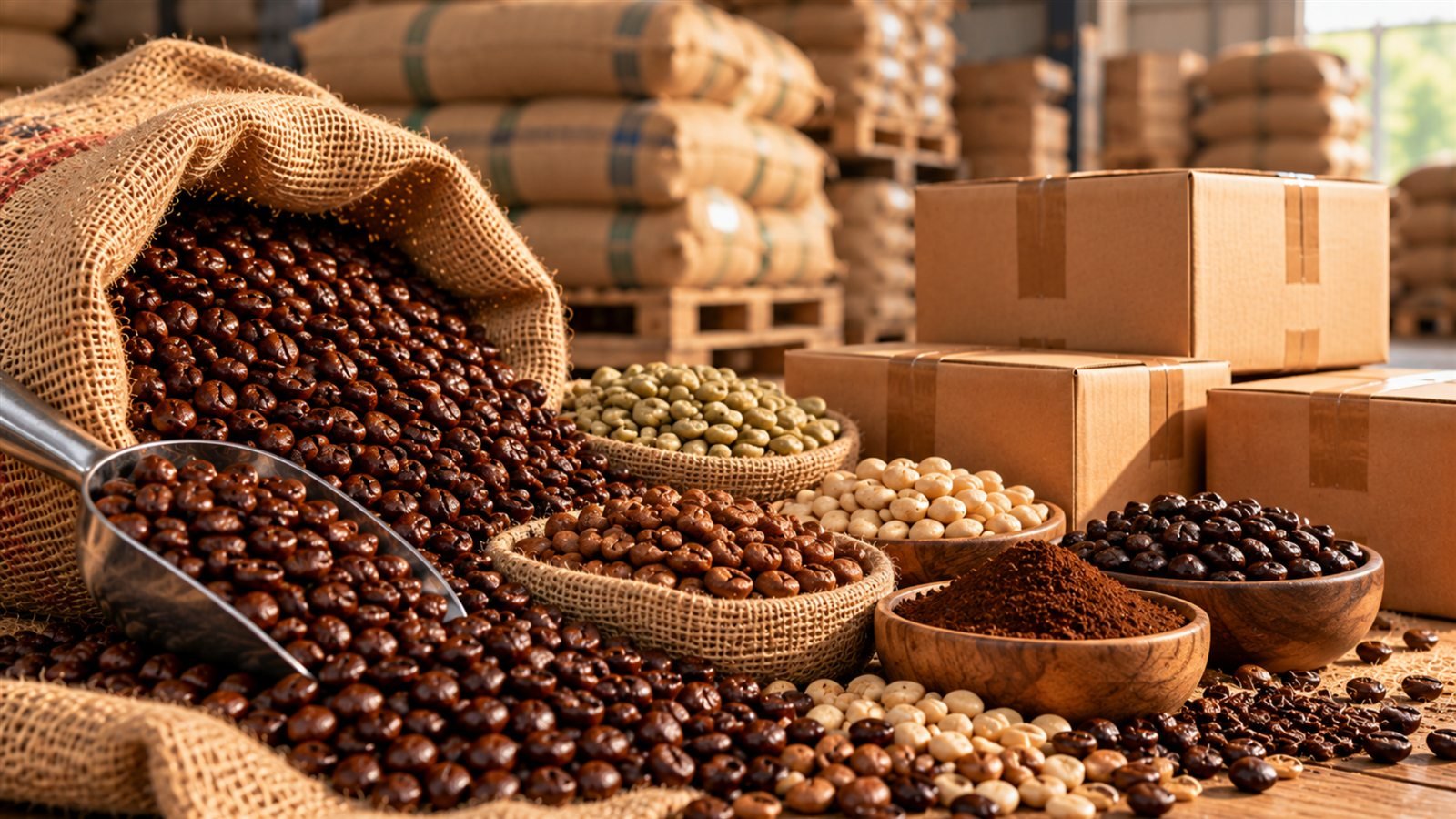
Latvia’s roasting sector is small, competitive and unusually well informed. Roasters in Riga, Liepaja and Jelgava buy modest volumes, blend for espresso, and sell to cafes that notice when a blend drifts. Vietnamese material has grown expensive and volatile, and Brazilian naturals swing with the weather. Indian coffee sits between those poles: shade-grown at 700 to 1,500 metres, mostly on smallholdings across Karnataka, Kerala and Tamil Nadu, and processed to specifications that are written down rather than assumed.
There’s a practical reason too. A coffee exporter to Latvia will usually split a container across two or three grades, which matters when your annual usage is 40 tonnes rather than 400.
What Indian Coffee Tastes Like in the Cup
Canephora from Coorg and Chikmagalur
Indian canephora, sold as Kaapi Royale and Cherry AB, carries heavy body, low acidity and a chocolate-tobacco base that holds up under milk. It’s the reason many European espresso blends quietly contain 15 to 30 per cent Indian material. Against the Vietnamese equivalent it’s cleaner in the cup and less rubbery.
Washed Arabica and Monsooned Malabar
Plantation A and Plantation AA are washed Arabicas: medium bodied, nutty, soft in acidity. Monsooned Malabar is the oddity, with beans exposed to monsoon winds until they swell and pale, giving a low-acid, earthy, syrupy cup. It divides opinion. Cup a small lot against your house blend before committing volume.
Grades a Coffee Exporter to Latvia Should Confirm in Writing
Grade names mean nothing until the specification behind them sits on the contract. Ask any coffee beans exporter from India to state screen size, defect count per 300 grams, moisture, crop year and processing method. Plantation AA typically means screen 17 and above; Cherry AB is a smaller screen with tighter defect tolerance than Cherry PB.
Get the pre-shipment sample sealed and numbered, and specify that the shipment must equal or better it. Without that clause you have an opinion, not a contract.
Quality Testing an Indian Coffee Exporter Should Arrange
Moisture, Defects and Screen Size
Green coffee shipped above roughly 12.5 per cent moisture invites mould on a long sea voyage. Most contracts sit between 10 and 12 per cent. Insist on readings taken at loading, not at the curing works six weeks earlier, and ask for the calibration record if a figure looks suspiciously round.
Ochratoxin A and Pesticide Residues
EU controls on green coffee focus on ochratoxin A and pesticide residues, and the limits are tight enough that guesswork gets expensive. A serious Indian coffee bean supplier provides a third-party laboratory report from an accredited lab covering OTA and a multi-residue pesticide screen for the exact lot, not a generic annual certificate. Where a result sits close to a limit, ask for retesting on a second draw before shipment.
Treat this as general guidance: confirm current EU limits with your customs broker, since they are revised periodically.
Documents an Indian Coffee Bean Supplier Must Provide
A shipment that stalls at Riga port is usually a paperwork problem, not a quality one. Your coffee exporter to Latvia should assemble the following as standard:
- Commercial invoice and packing list, with lot numbers matching the bags
- Bill of lading, consigned as agreed in the payment terms
- Certificate of Origin, plus the Coffee Board of India export release
- Phytosanitary certificate from the Indian plant quarantine authority
- Laboratory analysis for OTA and pesticide residues
- Fumigation certificate where required, and organic or non-GMO certification if claimed
Ask your coffee supplier to Latvia for draft documents before the vessel sails. Correcting a consignee name while the box sits in port costs demurrage and goodwill.
Pricing, MOQ and Container Loading
Green coffee prices move with the terminal market, so treat every number below as indicative and specification-dependent, not a quote from any coffee exporter to Latvia.
| Item | Typical range | Notes |
| Cherry AB canephora, FOB | USD 2,800–4,500 / MT | Tracks London terminal plus differential |
| Plantation A Arabica, FOB | USD 4,500–7,500 / MT | Tracks New York terminal plus differential |
| MOQ, single grade | 5–19 MT | Under 5 MT usually moves LCL at higher unit cost |
| 20ft container | ~19.2 MT | 320 bags of 60 kg, jute or PP as specified |
| 40ft container | 25–26 MT | Weight-limited before it is volume-limited |
A bulk coffee beans supplier will quote better on full-container lots, though splitting a 20ft box across two grades is routine and rarely costs a surcharge.
Shipping to Riga: Routes, Lead Times, Seasonality
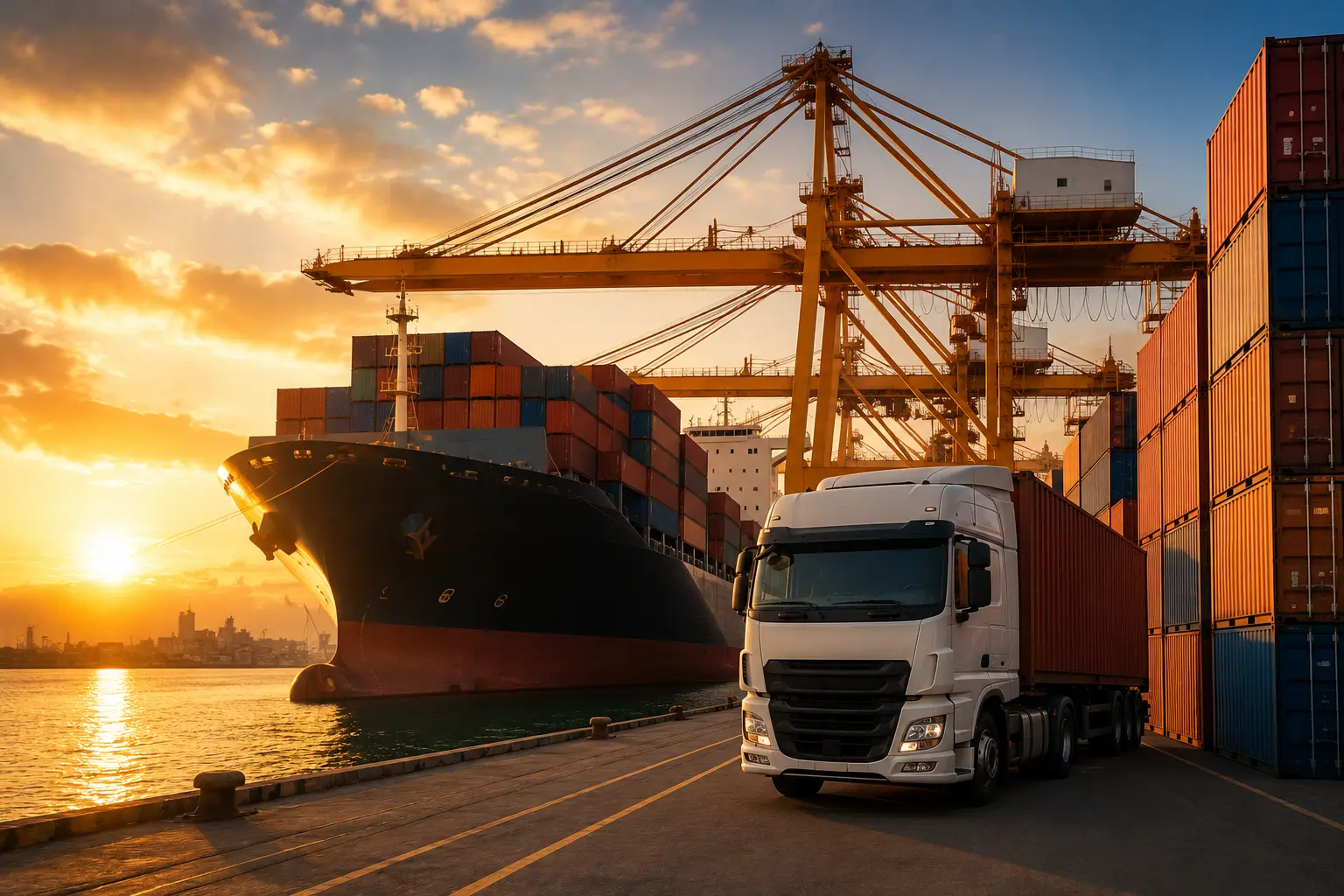
No direct service runs from Indian coffee ports to Latvia. Cargo leaves Cochin, Mangalore or Chennai, transships at a North European hub such as Rotterdam or Hamburg, then moves by feeder into Riga or overland from Klaipeda. Plan on 30 to 45 days port to port, plus 7 to 14 days for documents and inland movement.
Timing matters more than buyers expect. Indian picking runs November to February, and the freshest crop ships January to April. Order in September and you’re buying tail-end stock, which any honest Indian coffee exporter will say before you ask. Book with your coffee exporter to Latvia early and you avoid the March scramble for space.
How to Vet a Coffee Exporter to Latvia Before You Commit
Run a short, unglamorous checklist:
1. Ask for Coffee Board registration and IEC details, then verify them independently.
2. Request three named references who buy comparable grades into the EU.
3. Order a paid trial lot of 1 to 5 MT before signing anything annual.
4. Compare pre-shipment and arrival samples across two consecutive shipments.
5. Agree payment terms that hold both sides honest: 30 per cent advance with balance against documents, or an irrevocable LC at sight.
A capable coffee beans exporter from India finds none of this offensive. Hesitation over lab reports or references is the real signal, whatever the price looks like.
Frequently Asked Questions
How long does shipping green coffee from India to Riga take?
Budget 30 to 45 days port to port, since every routing transships in Northern Europe. Add a week either side for stuffing, documentation and inland delivery. Peak-season congestion at hubs can add another 7 to 10 days, so build slack into your roasting schedule, not your customer promises.
What is a realistic minimum order for Indian green coffee?
Most exporters start around 5 MT for a single grade, with a full 20ft container at roughly 19.2 MT being the efficient unit. Trial lots of 1 to 5 MT usually move by LCL, though per-kilo freight rises and transit gets less predictable. A bulk coffee beans supplier may set a higher floor.
Do I need a phytosanitary certificate for green coffee entering Latvia?
Yes. Green coffee is plant material and needs a phytosanitary certificate from the Indian authority, alongside the Certificate of Origin and Coffee Board release. Your coffee supplier to Latvia should send drafts before sailing. Confirm current entry requirements with your customs broker, since EU control lists change periodically.
Is Indian coffee good enough for espresso blends?
For crema, body and price stability it’s among the better options any coffee exporter to Latvia can offer. Cherry AB and Kaapi Royale bring chocolate notes and low acidity that survive milk. Most roasters run 15 to 30 per cent in a blend rather than as a single origin.
Conclusion
Sourcing from India rewards buyers who define their requirements clearly. Put the grade, moisture limit, defect count, and crop year in the contract, request lot-specific lab results, and consider a trial shipment before committing to a season’s volume. The right coffee exporter to Latvia can support this process by sharing draft documents early and flagging issues before the vessel sails. Since market prices change, review your differentials against the blend you sell and revisit the specification with each crop year.
If you’re comparing origins, Prism Exports can help you review grades, volumes, and shipment details for your needs. Talk with the Prism Exports team to discuss your sourcing plans and get a tailored quotation.
For updates, follow Prism Exports on Instagram.