
Coffee Exports to Australia: Why India's Monsoon Malabar Deserves Global Recognition
Published by Prism Exports
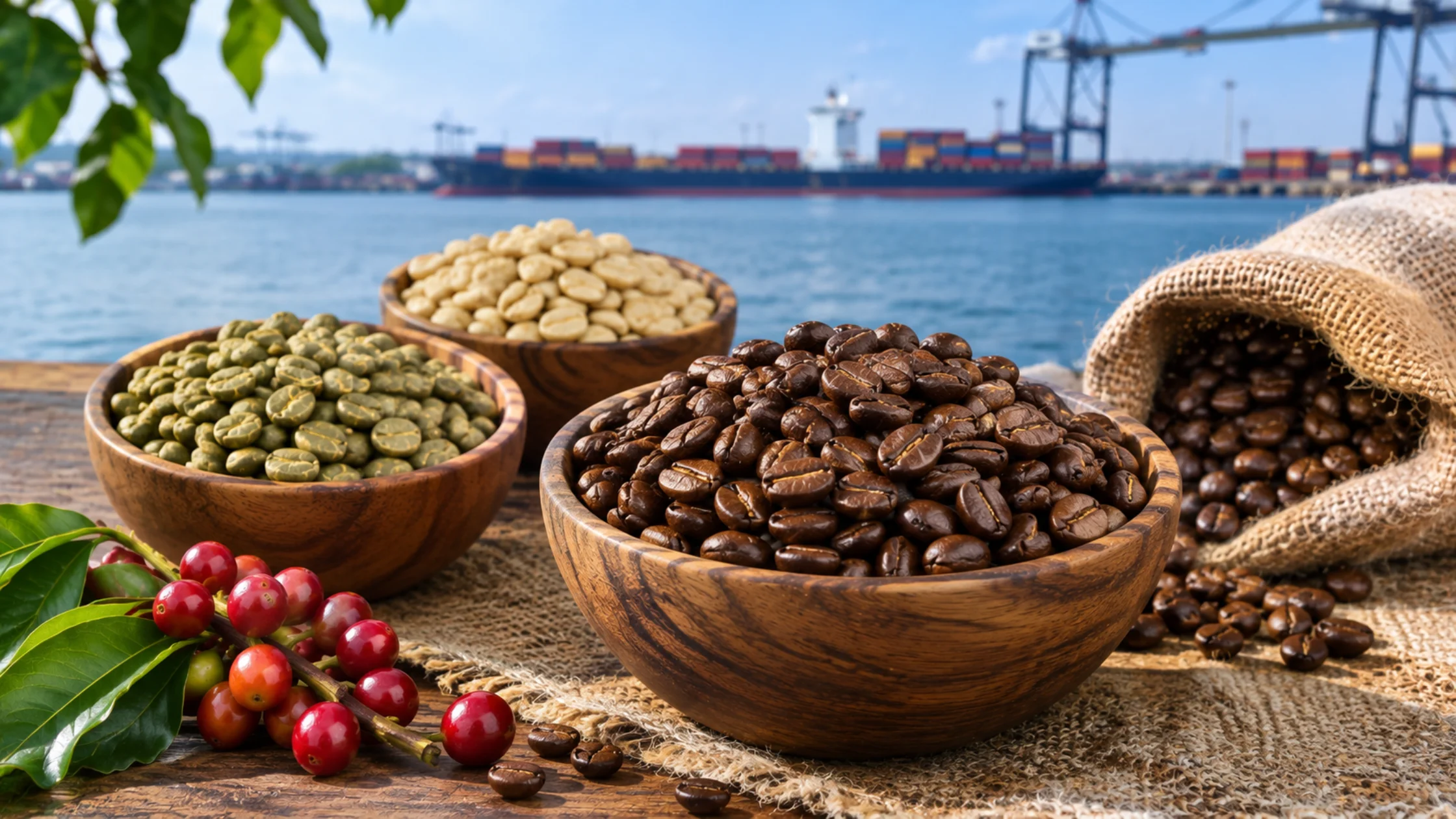
India has a rich coffee-growing heritage, producing beans known for their distinctive aroma, flavour and processing methods. Among its speciality coffee offerings, Monsoon Malabar stands out because of its unique processing technique and mellow flavour profile. This traditional Indian coffee has attracted attention from international roasters, speciality cafés and wholesale buyers looking for something different.
The growing interest in Coffee Exports to Australia creates opportunities for Indian coffee businesses to introduce speciality varieties to a wider market. Australian consumers have a strong café culture and an interest in different coffee origins and flavour experiences. Prism Exports focuses on connecting quality Indian agricultural products with international buyers. Through quality-oriented sourcing and export coordination, Prism Exports aims to support businesses exploring opportunities in the global coffee market.
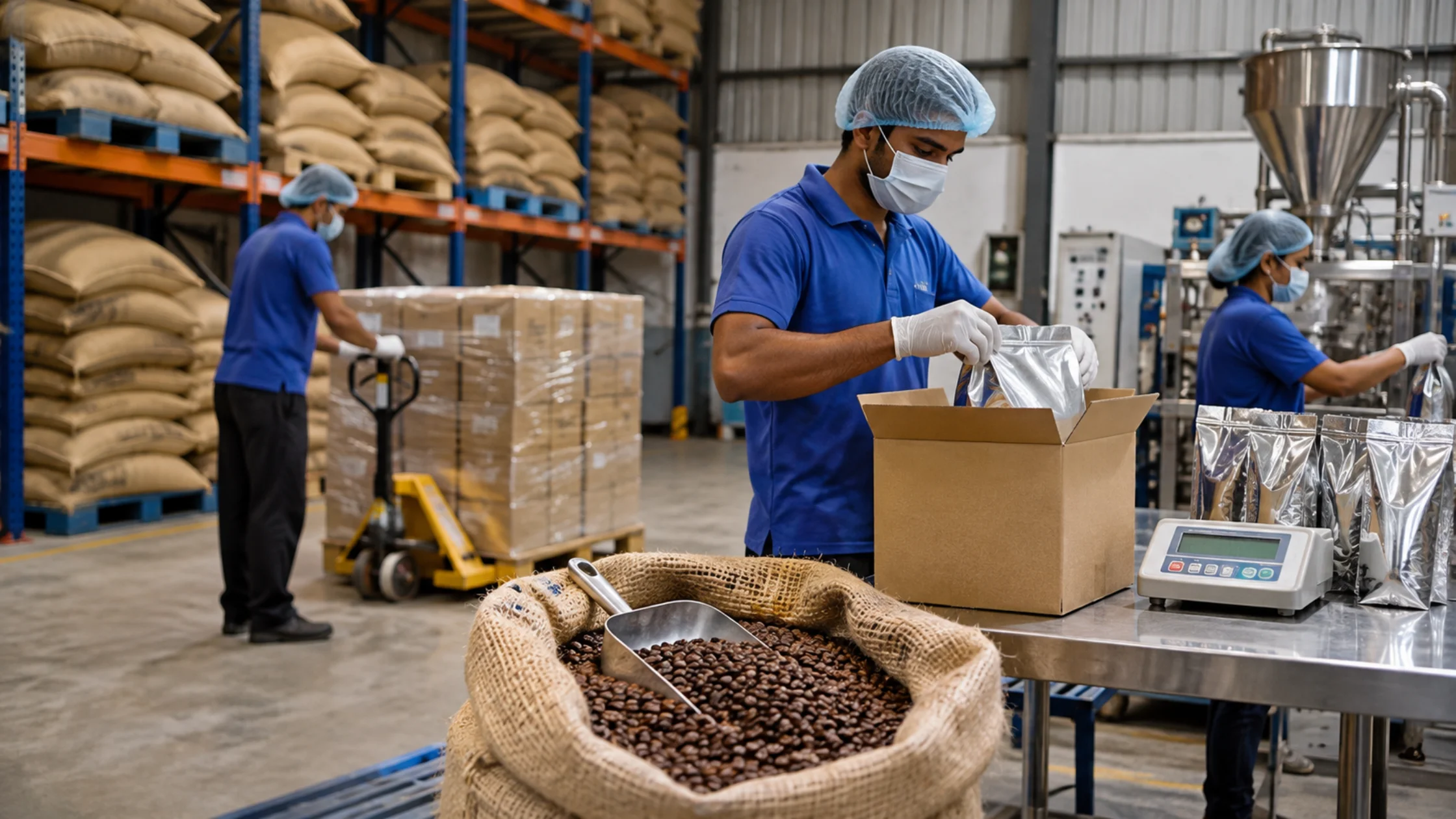
Understanding India's Monsoon Malabar Coffee
Monsoon Malabar is one of India's distinctive speciality coffee varieties. It is traditionally produced in the Malabar region of Karnataka and Kerala, where green coffee beans undergo a specialised monsooning process.
During this process, harvested and processed green coffee beans are exposed to moisture-laden monsoon winds under controlled storage conditions. The beans absorb moisture, expand in size and develop a different physical appearance and flavour profile.
What Makes Monsoon Malabar Different?
Unlike conventional green coffee processing, monsooning changes the characteristics of the beans.
Some of its notable characteristics include:
Larger and expanded bean appearance.
Pale golden or yellowish colour.
Lower perceived acidity.
Smooth and mellow flavour.
Heavy body with distinctive earthy notes.
Reduced sharpness compared with many conventional coffees.
These characteristics make Monsoon Malabar an interesting option for speciality coffee roasters and businesses looking to diversify their coffee offerings.
Why Australian Buyers Should Explore Indian Monsoon Malabar
Australia has an established coffee industry supported by independent cafés, commercial roasters, restaurants and speciality coffee retailers. Buyers frequently explore different origins and processing methods to create distinctive coffee experiences.
Opportunities in the Australian Coffee Market
Monsoon Malabar offers an opportunity for Australian businesses interested in speciality Indian coffee.
Potential buyers include:
Specialty coffee roasters.
Independent café chains.
Coffee wholesalers and distributors.
Hospitality businesses.
Retailers selling premium coffee beans.
Private-label coffee brands.
For businesses exploring Coffee Exports to Australia, Monsoon Malabar can provide an opportunity to introduce a distinctive Indian coffee profile to customers.
Why Its Flavour Profile Matters
Australian coffee consumers are familiar with different espresso styles and brewing methods. Monsoon Malabar's mellow acidity and heavier body may appeal to roasters developing espresso blends or speciality coffee collections.
However, buyers should evaluate samples through roasting and cupping before deciding how the beans fit into their product range.
The Unique Processing Method Behind Monsoon Malabar
The monsooning process is what gives this coffee its distinctive identity. It requires suitable storage facilities, careful monitoring and experience in handling green coffee beans.
Step-by-Step Monsooning Process
Step 1: Coffee Harvesting
Mature coffee cherries are harvested from suitable growing regions. The beans are separated from the fruit and processed using the appropriate method.
Step 2: Drying and Preparation
The processed green beans are dried and prepared for monsooning. Their initial moisture and physical condition are important for the next stage.
Step 3: Exposure to Monsoon Conditions
Green coffee beans are spread in suitable storage facilities and exposed to moisture-rich monsoon air. They are regularly turned to encourage uniform exposure.
Step 4: Monitoring and Conditioning
During the process, beans are monitored for moisture absorption, appearance and quality changes. Proper handling helps maintain consistency.
Step 5: Final Grading and Packaging
After monsooning, the beans are graded, cleaned and prepared for commercial packaging and export.
This specialised process requires careful attention because inconsistent moisture management can affect the final product.
Quality Standards for Indian Coffee Exports
Quality plays an important role in international coffee trading. Buyers need consistent beans that meet their roasting requirements and applicable food safety standards.
Important Quality Parameters
Before placing a commercial order, buyers should evaluate:
Bean size and grading.
Moisture content.
Physical appearance.
Foreign matter and defective beans.
Aroma and flavour profile.
Processing consistency.
Storage and packaging conditions.
Importance of Coffee Sampling
A reliable coffee bean supplier should be able to provide samples and relevant product specifications for evaluation.
Roasters can conduct sample roasting and cupping to assess aroma, body, acidity and aftertaste. These checks help determine whether the coffee is suitable for espresso, filter brewing or blending.
Businesses exploring Coffee Exports to Australia should also consider applicable food safety and import requirements before confirming shipments.
Packaging and Shipping Requirements for Australian Buyers
Green coffee beans require appropriate packaging to maintain their condition during storage and transportation. Exposure to excessive moisture, heat and external odours can affect coffee quality.
Common Coffee Export Packaging Options
Depending on buyer specifications, exporters may consider:
Food-grade jute bags with suitable inner liners.
GrainPro or similar hermetic packaging.
Moisture-resistant multi-layer bags.
Bulk packaging for commercial roasters.
Custom packaging for speciality coffee businesses.
Sea Freight vs Air Freight
The choice of transportation depends on order quantity, delivery timelines and logistics costs.
Sea freight is commonly considered for commercial green coffee shipments, while air freight may be useful for samples and urgent requirements.
How to Choose Reliable Indian Coffee Exporters
Selecting a suitable supplier is important for maintaining product consistency and developing long-term business relationships.
When comparing coffee beans exporters in india, buyers should evaluate more than the quoted price.
Important Supplier Selection Factors
Consider these points before confirming an order:
Product knowledge: The supplier should understand different coffee varieties and processing methods.
Quality documentation: Ask for available specifications and relevant laboratory reports.
Sample availability: Request samples before purchasing in bulk.
Processing facilities: Check whether the supplier can maintain consistent grading and packaging.
Export experience: Review experience in international commercial shipments.
Communication: Ensure that product details and shipment updates are provided clearly.
Understanding the Supplier's Capabilities
A dependable coffee bean supplier should provide clear information about coffee origin, processing, grade and availability.
Businesses looking to export coffee from india should also understand the importance of traceability, suitable storage and accurate commercial documentation.
Similarly, a coffee manufacturer supplying speciality products should be able to explain its processing methods and maintain consistency between batches.
Export Documentation and Australian Import Requirements
Export documentation is essential for international coffee shipments. Indian suppliers and Australian importers should confirm the required documents before dispatch.
Common Export Documents
Depending on the shipment, the following documents may be required:
Commercial invoice.
Packing list.
Shipping bill or export declaration.
Bill of lading or airway bill.
Certificate of Origin, where applicable.
Product specifications.
Relevant quality and laboratory reports.
Additional certificates, if required.
Australian Import Considerations
Australia's Department of Agriculture, Fisheries and Forestry manages biosecurity requirements for imported goods. Importers should check the BICON system for the applicable conditions based on the exact coffee product and processing method.
Food businesses should also verify applicable food safety, labelling and import requirements.
Companies involved in the export of coffee from india should coordinate with their Australian buyers to confirm the correct product classification and documentation.
Business Opportunities for Indian Coffee Suppliers
Monsoon Malabar provides an opportunity for Indian coffee businesses to serve international buyers looking for distinctive coffee profiles.
Potential Business Opportunities
Indian suppliers can explore:
Speciality coffee exports.
Wholesale green coffee supplies.
Private-label coffee products.
Espresso blend ingredients.
Premium retail coffee collections.
Commercial roasting partnerships.
For a coffee manufacturer, sourcing distinctive Indian beans can help create different product offerings for retail and hospitality customers.
Likewise, coffee beans exporters in india can explore partnerships with Australian roasters and distributors interested in Indian coffee origins.
Businesses planning to export coffee from india should focus on consistent quality, reliable packaging and transparent communication to establish repeat orders.
Frequently Asked Questions (FAQs)
1. What makes Monsoon Malabar coffee unique?
Monsoon Malabar undergoes a specialised process in which green coffee beans are exposed to moisture-rich monsoon air. This changes their appearance and produces a distinctive mellow flavour with lower perceived acidity and a heavier body.
2. Is Indian Monsoon Malabar coffee suitable for Australian buyers?
Yes. It may appeal to speciality roasters, cafés and wholesalers interested in distinctive coffee origins. Buyers should evaluate samples and confirm the required product specifications before purchasing.
3. What packaging is used for exporting green coffee beans?
Common options include food-grade jute bags with liners, GrainPro packaging and moisture-resistant bulk bags. The final packaging depends on the buyer's storage and transportation requirements.
4. What documents are required for coffee exports to Australia?
Export files typically contain an invoice, a breakdown of the packed goods, an export customs declaration, and a bill of lading. Additional documents may be required depending on the product and applicable Australian import conditions.
5. How can Australian businesses find reliable Indian coffee suppliers?
Buyers should compare supplier experience, coffee samples, processing methods, quality specifications, packaging facilities and export documentation before confirming commercial orders.
Conclusion
India's Monsoon Malabar coffee represents a distinctive part of the country's speciality coffee heritage. Its traditional monsooning process, mellow flavour and unique characteristics create opportunities for international roasters and coffee distributors.
The growing market for Coffee Exports to Australia provides Indian suppliers with opportunities to introduce speciality coffee products to Australian businesses. However, successful trade depends on consistent quality, suitable packaging, proper documentation and reliable shipment coordination.
If you are exploring Indian speciality coffee for your business, Prism Exports aims to support international buyers through quality-focused sourcing and export coordination.
For product enquiries, sourcing discussions and commercial requirements, get in touch with Prism Exports to explore suitable Indian coffee supply options. For more details, export updates and product insights, follow us on Instagram: Prism Exports Instagram.



