How to Choose the Right Indian Coffee Beans for Import
Published by Prism Exports
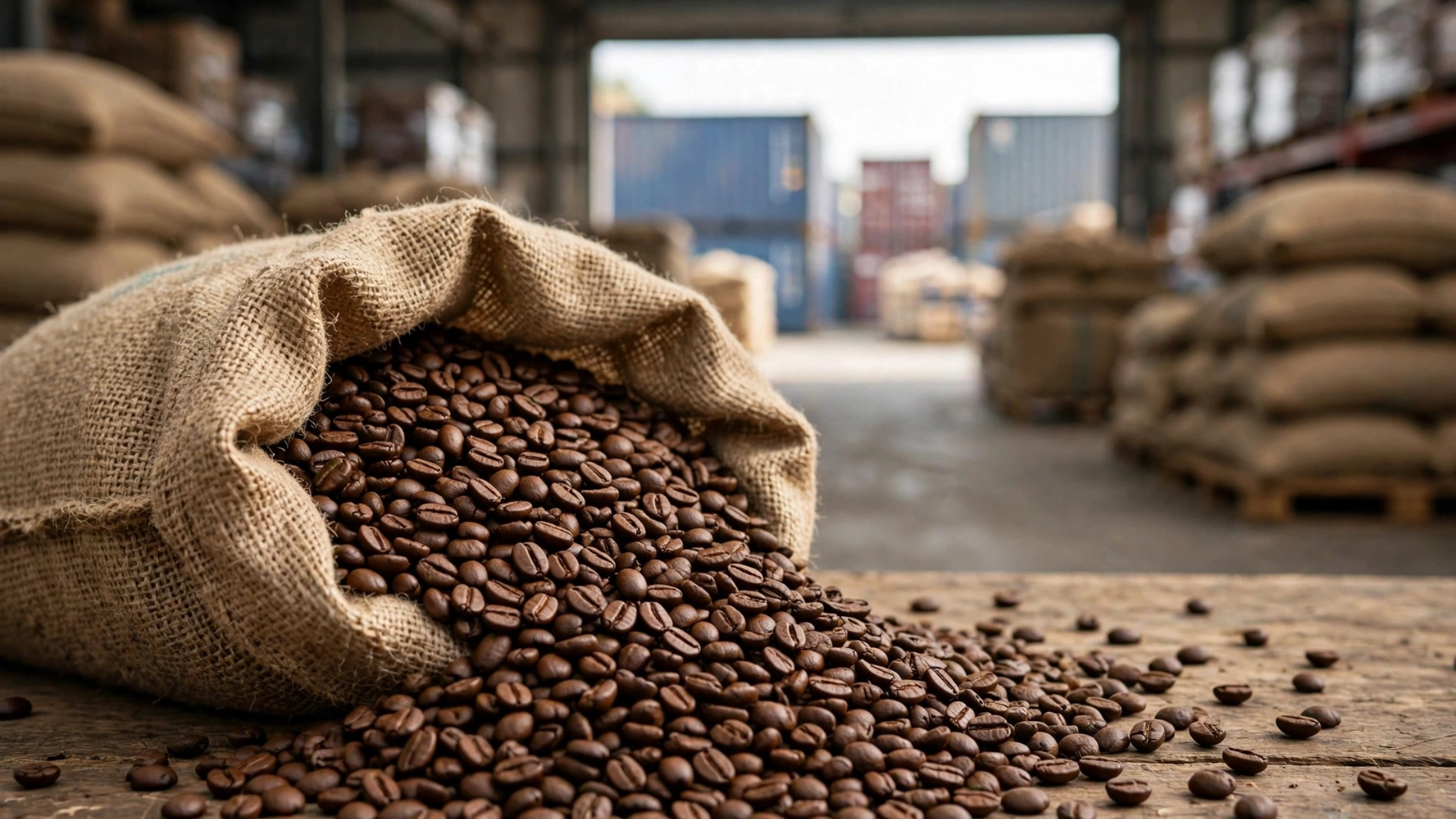
Two roasters can look at the same offer sheet and reach opposite conclusions. One sees a washed arabica at a workable differential and books it. The other, running a dark espresso blend, knows that lot will disappear behind the roast. Choosing Indian Coffee Beans for Import isn't about finding the best coffee in the abstract; it's about matching a specific lot to what your customers already drink. Prism Exports can help buyers assess coffee lots based on their intended application, quality requirements, and market needs.
The buyers who get this wrong usually skipped a step early on. They picked a price, then tried to make the cup fit. Work in the other direction and the whole process gets simpler, from sampling through to the contract clause that protects you if quality slips. Prism Exports supports importers in evaluating specifications and sourcing requirements before committing to regular volumes.

Start With the Cup Your Market Actually Buys
Write down what you sell before you look at a single offer. A supermarket private-label espresso blend, a speciality filter bar, an instant manufacturer and a Middle Eastern wholesaler are four different buyers who should not be shortlisting the same lots.
Roast level does most of the work here. Dark roasts flatten origin character, so body, crema and consistency matter more than nuance, and robusta earns its place. Light and medium roasts expose everything, making elevation, processing and defect count decisive. Be realistic about equipment too: a small drum roaster handles a dense high-grown arabica differently from a fluid-bed line.
Choosing Indian Coffee Beans for Import by Region
If you need brightness and clarity
Look at arabica from the higher blocks of Chikmagalur, the Nilgiris, the Shevaroys and the Pulneys, plus tribal-grown lots from Araku. Elevations above roughly 1,100 metres give you slower cherry development and a cleaner acidity. Volumes are smaller and disappear quickly after harvest, so plan bookings early in the season.
If you need body and crema
Kodagu and Wayanad robusta is what makes Indian Coffee Beans for Import attractive to espresso blenders. Washed robusta parchment in particular is cleaner than the natural equivalent and gives you crema without a rubbery finish. It's also the segment where India competes hardest on price against other origins.
Processing Method Changes More Than You Think
Two lots from the same estate can taste unrelated after different post-harvest handling. It's the most useful lever you have when comparing offers.
If your buyers are price-sensitive, natural cherry lots deliver a lot of cup for the money, provided you specify a tight defect count. If you sell on origin story, monsooned coffee gives you something no other country produces at scale.
Samples Your Coffee Beans Supplier Should Send
Skipping a sampling stage is the most expensive shortcut in this trade. Work through all three:
1. Type sample: representative of the grade, used to shortlist.
2. Offer sample: drawn from the actual lot offered, cupped and scored before you sign.
3. Pre-shipment sample (PSS): drawn from the packed lot before loading, approved in writing.
Cup blind, cup twice, and roast to your production profile rather than a standard sample roast. A lot that scores well light can turn flat at the level you actually run. Any Coffee Beans Supplier serious about a long relationship sends a PSS without being chased, and a Coffee Beans Supplier that treats it as optional will treat your complaint the same way.
Compliance and Traceability Before You Sign
Your destination market sets rules the coffee has to satisfy on arrival, and retrofitting compliance is painful. Confirm pesticide residue limits, ochratoxin A expectations, and whether your buyers require organic, Rainforest Alliance, Fairtrade or 4C certification. Certification cannot be added after the fact, so it belongs in the enquiry, not the negotiation.
European importers have a harder task now. Deforestation-regulation traceability needs plot-level geolocation, and Indian coffee comes overwhelmingly from smallholdings, so the data has to be assembled farm by farm. Ask any Coffee Exporter from India how far along that work is before you plan an EU-bound shipment of Indian Coffee Beans for Import, because a Coffee Exporter from India starting the process now will not be ready this season.
Vetting an Indian Coffee Exporter
Capability shows up in specifics. When you're weighing up two offers of Indian Coffee Beans for Import, ask each supplier:
- Do they own or work directly with a curing works, or only trade finished lots?
- Can they name the estate, district and crop year for the lot in front of you?
- What's their rejection procedure if the PSS doesn't match the offer sample?
- Which contract rules do they trade under, and will they accept arbitration?
- How many containers of this grade have they shipped in the past season?
A credible Indian Coffee Exporter answers these in a sentence each. Vagueness about the curing works should worry you most, since consistency is created or lost at that stage.
Contract Terms That Protect You
Use a recognised contract form rather than an informal purchase order. European buyers commonly trade on ECF terms and North American buyers on GCA terms, both of which set out quality arbitration, weight franchise and delivery obligations. That framework matters far more than a friendly email exchange when a lot arrives below the approved sample.
Nail down incoterms explicitly. FOB Cochin or Mangalore leaves you controlling the freight; CFR or CIF hands that to the seller and is simpler for a first purchase. Payment usually opens with a confirmed letter of credit, moving to part-advance terms once you've shipped together a few times. Whatever the structure, tie final settlement to PSS approval.
Landed Cost of Indian Coffee Beans for Import
Compare offers on landed cost per kilo, not FOB price. Freight, insurance, duty, port charges, storage and any quality shortfall all sit between the quote and your roastery floor. A cheap offer from an unfamiliar Coffee Bean Exporter can land dearer than a higher one that arrives on spec, so ask each Coffee Bean Exporter for a CIF equivalent.
A 20ft container of roughly 320 bags at 60kg each is the standard unit, and most first-time buyers start there. Smaller LCL lots suit a trial. Harvest runs November through February, so the best selection sits in the first quarter, and three to six weeks from signed contract to loading is realistic for any Coffee Supplier India buyers work with regularly. A Coffee Supplier India importers already trust will also flag when a grade is running short.
Frequently Asked Questions
What is the minimum order for Indian Coffee Beans for Import?
Most exporters price around a full 20ft container, close to 19.2 MT in 60kg bags. Smaller LCL shipments of two to five tonnes are usually possible on a trial order, but freight and handling per kilo rise noticeably, so treat the difference as the price of testing the market.
Should I buy arabica or robusta from India?
It depends on your roast. Dark espresso blends and instant production benefit from Indian washed robusta, which brings body and crema at a competitive price. Lighter filter roasts and single-origin bags need high-grown arabica from Karnataka or Tamil Nadu. Many importers buy both and blend to a house profile.
How do I check quality before the coffee ships?
Insist on a pre-shipment sample drawn from the packed lot, cup it against your approved offer sample, and confirm approval in writing before loading. Add a contract clause covering what happens if the shipment falls short, including arbitration under recognised trade rules and an agreed allowance or rejection route.
When is the best time of year to buy?
New crop reaches export readiness from roughly January onwards, with the widest choice through the first half of the year. Buying late in the year usually means carryover stock, which can still cup well but is worth discounting. For a specific estate lot, book forward before harvest.
Conclusion
Choosing Indian Coffee Beans for Import comes down to sequence. Define the cup your market buys, pick the region and processing method that deliver it, sample at all three stages, and only then argue about price. The suppliers worth building with are the ones who can name the estate, explain their curing process and accept a quality clause without flinching. Prism Exports understands the importance of quality, traceability, and consistency when supplying Indian coffee to international buyers. Compliance work, especially traceability for EU-bound coffee, needs starting far earlier than most buyers expect.
Follow Prism Exports on Instagram.
If you're weighing up your first Indian shipment, a conversation with Prism Exports can help narrow the options faster than another round of sample requests.