How to Choose the Right Indian Red Chilli for Your Market
Published by Prism Exports
A buyer in Rotterdam once approved a sample of bright, wrinkled pods, then opened the container and found something duller and hotter. Nothing had been falsified. The sample was Byadgi; the shipment was a mixed lot with Sannam blended through it. That gap between what you tasted and what you received is the real risk in sourcing Indian Red Chilli, and it usually traces back to loose specification rather than dishonesty. Prism Exports understands the importance of clear specifications and consistent chilli quality for international buyers.
Getting it right isn't complicated, but the decisions have to happen in order. Which market are you selling into? Which variety serves that palate? Which numbers go on the contract? Settle those three and the rest (paperwork, packing, lead time) falls into place behind them. Prism Exports can help buyers align their chilli requirements with the appropriate variety and measurable quality specifications.
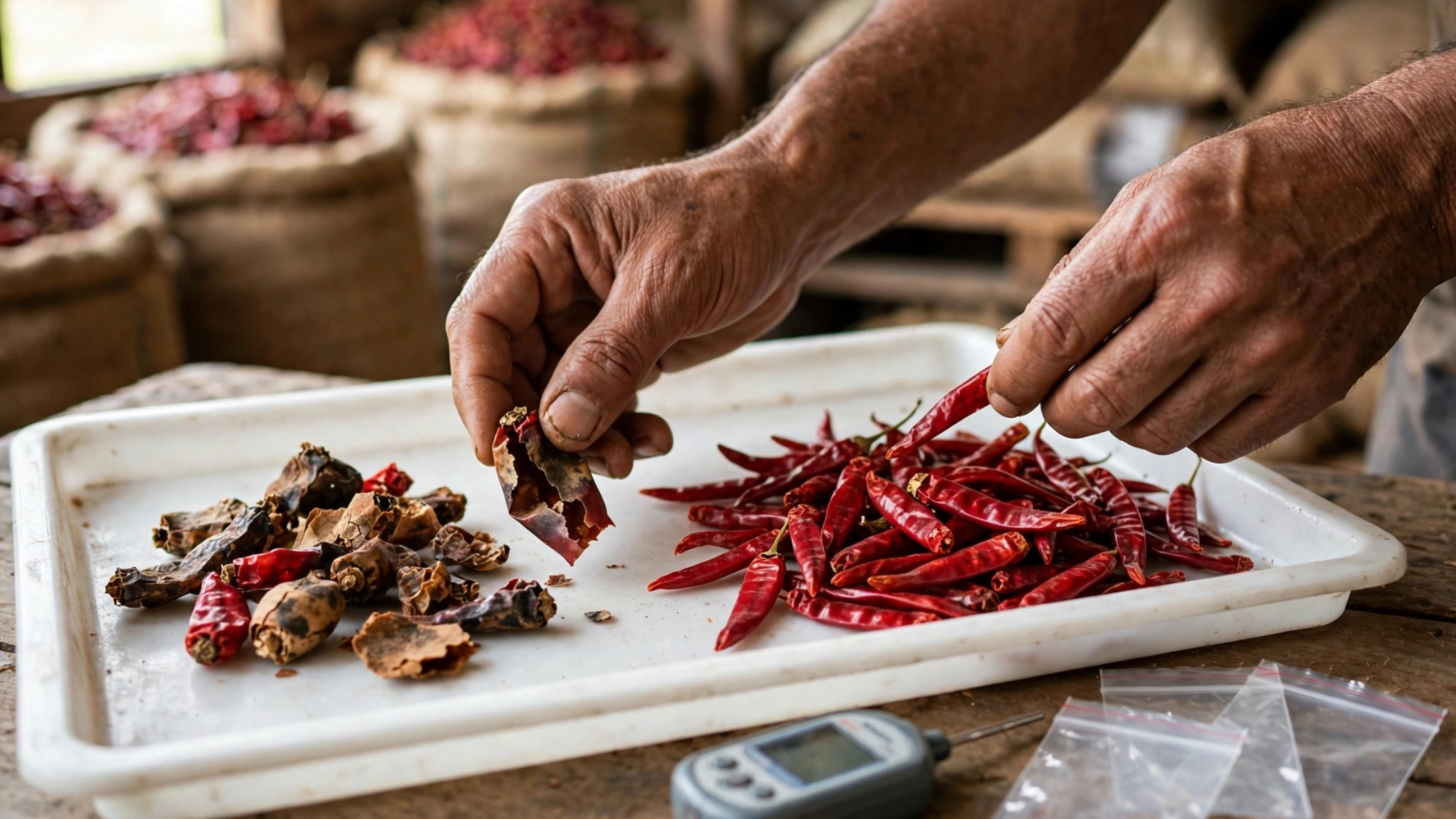
Start With Your Market, Not With the Pod
Chilli buyers split into two camps, and knowing which one you're in saves months of sampling. Colour buyers want redness that survives processing: sauce manufacturers, oleoresin extractors, paprika blenders, meat processors. Heat buyers want measurable pungency: pickle plants, snack seasoning houses and curry paste makers.
Retail packers sit awkwardly between the two. A one-kilo consumer pack sold into a Gulf supermarket has to look vivid on the shelf and still deliver a familiar burn in the pot. That usually means blending two types of Indian Red Chilli rather than hunting for one perfect variety.
Two more questions decide the shortlist. What heat does your customer expect, in Scoville units rather than adjectives? And what does your regulator allow on residues, since that shapes the growing region too.
Indian Red Chilli Varieties and Who They Suit
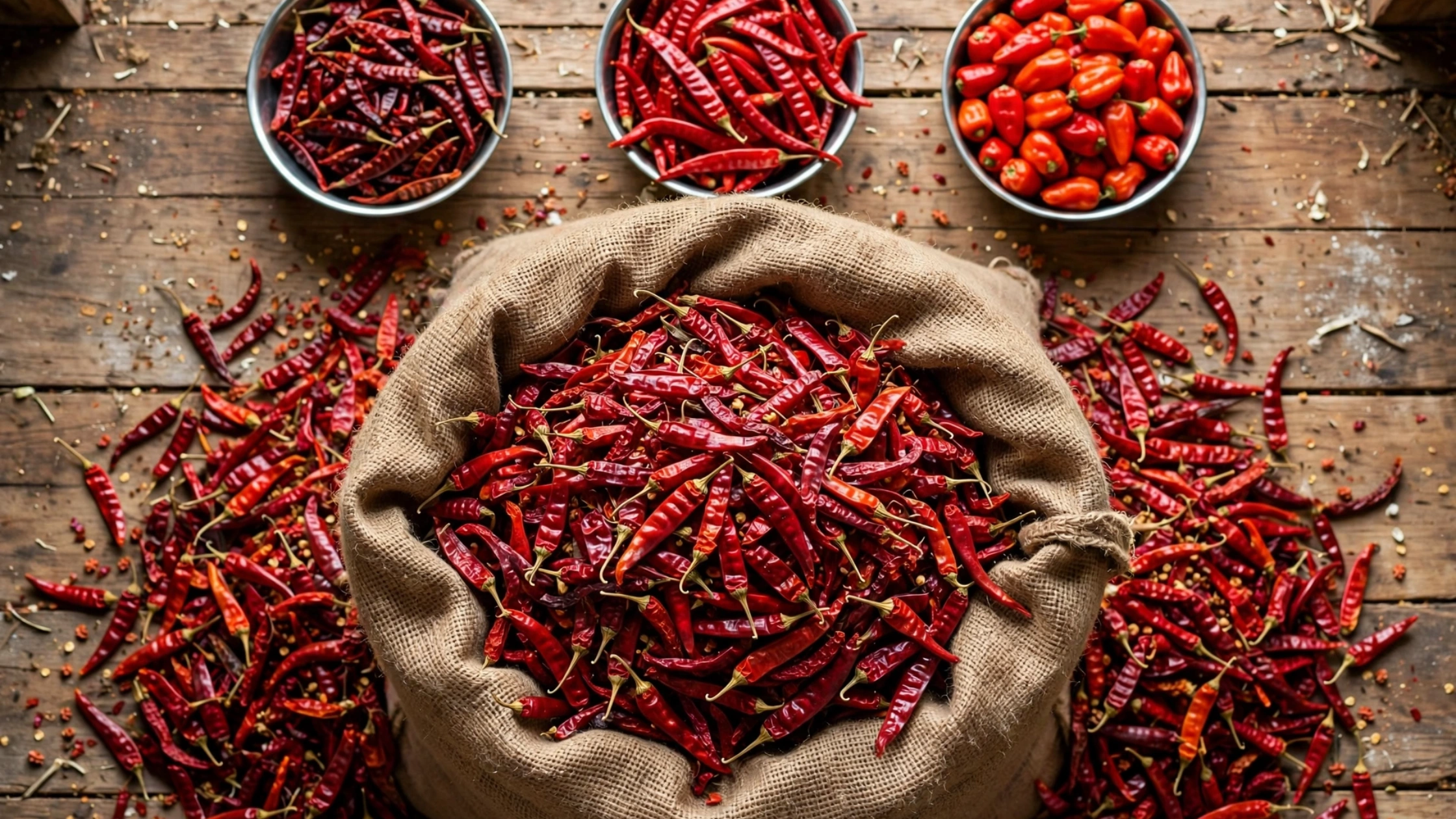
India grows dozens of commercial types, but export volume concentrates in a handful. Treat the figures below as typical ranges for the main Indian Red Chilli Varieties; lots shift with season, rainfall and drying method.
The colour group
Byadgi does something few chillies manage: deep pigment at modest heat. It's wrinkled, light, and costly per tonne because it yields well in oleoresin extraction. Kashmiri-type material goes further, though genuine volumes are small and lookalike stock is sold under the name. Ask directly.
The heat group
Guntur Sannam is the workhorse: consistent, available and clean to powder. Teja sits far above it and mostly serves capsaicin extractors dosing heat in small quantities. If your formulation is heat-driven, buying Teja and diluting often costs less than buying volume of a mid-heat Indian Red Chilli.
Specifications That Belong in Your Contract
Vague contracts cause disputes. A sheet reading only "Indian Red Chilli, export quality" leaves you nothing to stand on later. Put numbers against everything that matters:
- Moisture: usually capped at 10-11%, with water activity below 0.65.
- ASTA colour value: state a minimum, not a range you'd accept grudgingly.
- Pungency: in SHU or capsaicin ppm, with the test method named.
- Stem condition: with stem, cut stem, or stemless, since it changes weight, price and yield.
- Admixture and broken pods: a percentage cap on each.
- Damaged or discoloured pods: a defect ceiling by count or weight.
- Foreign matter: including a specific limit on stones and soil.
Name the sampling standard and the laboratory too. Two accredited labs can return different ASTA readings on one lot, so agree in advance whose result governs.
Food Safety Limits You Cannot Negotiate
Aflatoxin and moisture
Chilli is vulnerable to aflatoxin because it dries in the open and rehydrates easily in humid weather. European limits for Capsicum spices sit in single-digit to low double-digit parts per billion. Prevention happens at the drying yard, not the lab. A serious Dry Red Chilli Exporter will discuss tarpaulin drying, moisture meters at intake and monsoon-month storage rather than simply promising clean certificates.
Pesticide residues and sterilisation
Residue rejections have overtaken aflatoxin as the leading reason consignments of Indian Red Chilli are stopped at European ports. Ask which farm clusters your lot draws from and whether screening happens before shipment. Ethylene oxide is prohibited in the EU and UK, so steam sterilisation is the practical route for microbial reduction. It costs more and softens colour slightly.
Whole, Stemless, Crushed or Powder
Form changes more than the price line:
- Whole with stem: cheapest per tonne, but you pay freight on stems and lose weight in processing.
- Stemless: higher unit price, better usable yield, standard for powder mills.
- Crushed and flakes: convenient, though extra surface area invites moisture and shortens shelf life.
- Powder and extract: highest value, tightest microbiological control, least room to verify variety by eye.
Building a private label line? Buying from a Whole Red Chilli Supplier and grinding locally gives you control over freshness and colour. A distributor without milling capacity is better off with processed material from a Whole Red Chilli Supplier that already holds the microbiological certificates.
Documentation an Indian Red Chilli Exporter Should Handle
Your customs broker wants a predictable file: commercial invoice and packing list, Spices Board of India registration and certificate of export-worthiness, phytosanitary certificate, certificate of origin, FSSAI-licensed manufacturing declaration where relevant, and a third-party lab report covering aflatoxin, pesticide residues, heavy metals and microbiology. Any competent Indian Red Chilli Exporter sends drafts for your review before the vessel sails. An error on a certificate of origin is far easier to fix in the office than at your port.
Packing, Price, MOQ and Payment Terms
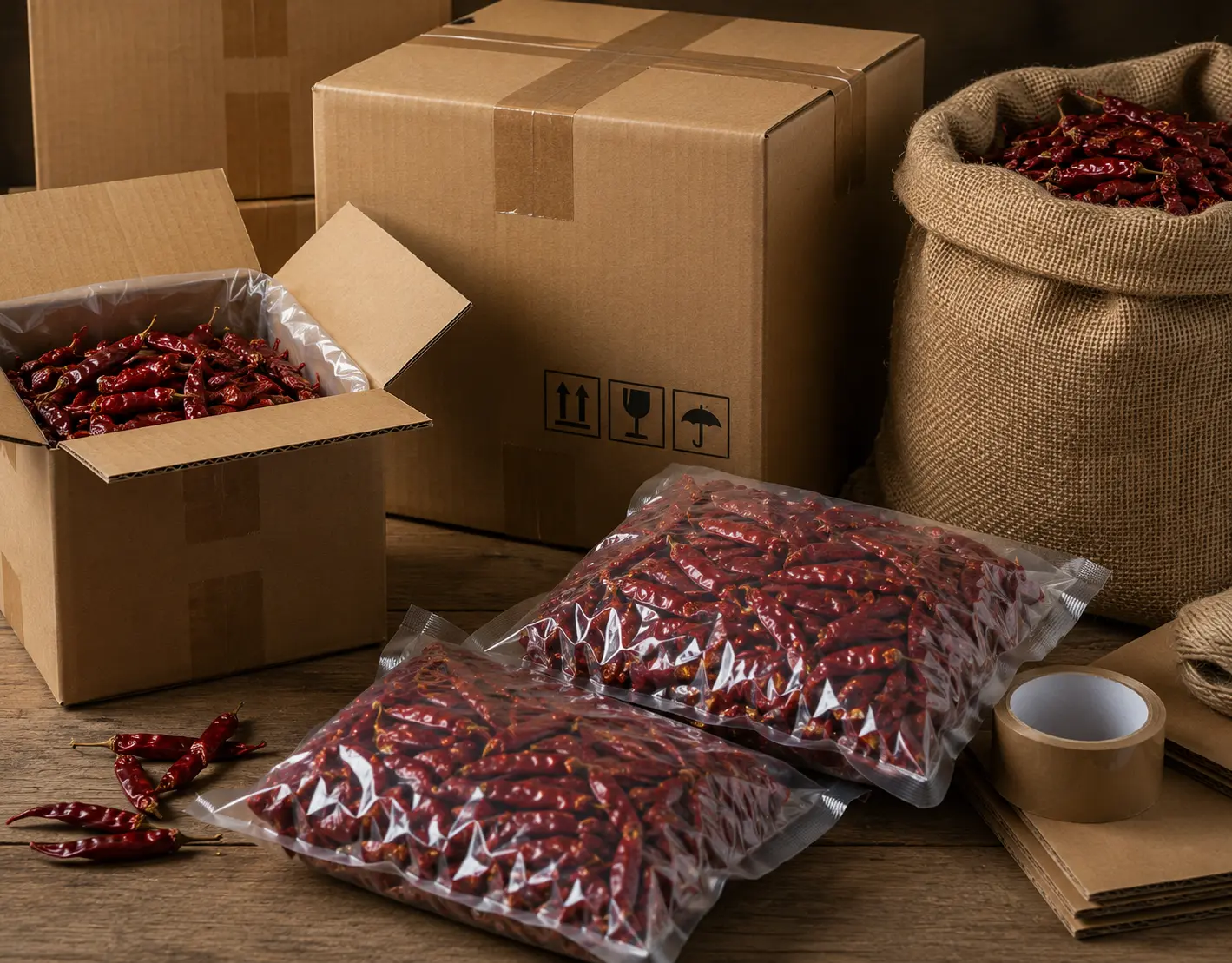
Dried chilli is bulky and light, so volume fills a container long before weight does. Compressed bales let a 40ft box take meaningfully more than loose cartons. Discuss compression openly: over-pressing damages pods and dulls colour. Harvest runs from December through April in the main belts, and the months just after it bring the best colour.
Prices move with that harvest, so any Red Chilli Supplier India buyers rely on will quote validity in days rather than months. Indicative FOB levels for whole dried material sit in the low-to-mid thousands of USD per metric tonne, with Byadgi and Teja carrying premiums. MOQ is typically one 20ft container. A confirmed letter of credit protects both sides on a new relationship; advance plus balance against documents becomes normal later. Whatever you agree with your Dry Red Chilli Exporter, tie the final balance to lab results, not just to shipping documents.
Frequently Asked Questions
Which Indian Red Chilli has the best colour but the least heat?
Byadgi is the usual answer, offering strong ASTA colour at a mild 8,000-15,000 SHU. Kashmiri-type chilli goes further, with very low pungency and vivid pigment, but volumes are limited and pricing is high. For sauce and blending work, Byadgi gives the better balance of colour and cost.
What moisture level should I specify for dried chilli?
Ask for 10-11% maximum moisture and add a water activity limit below 0.65. Anything higher invites mould and aflatoxin during a long sea voyage, especially if the container crosses the equator. Insist that moisture is tested at loading, not only at purchase from the mandi.
Can I order a mixed container of different chilli varieties?
Yes, and it's a sensible way to start. Most exporters will combine two or three types in one 20ft load, provided each is packed and marked separately. You'll pay a little more per tonne, but you get real market feedback before committing to larger volumes.
How do I avoid pesticide residue rejections at my port?
Buy from a Red Chilli Supplier India traders trust to screen before shipment, ask for farm-cluster traceability, and share your destination limits in writing at the enquiry stage. A pre-shipment sample tested at a laboratory of your choosing costs little and prevents an expensive detention on arrival.
Conclusion
Choosing Indian Red Chilli well is mostly an exercise in being specific. Decide whether your product is driven by colour or heat, pick the variety that serves it, then write the specification tightly enough that a lab report can settle any argument. The suppliers worth keeping ask awkward questions early about your regulator, your process and your shelf life, instead of agreeing to everything and hoping the container clears. Season and residue compliance will shape your landed quality far more than a small gap in unit price. Prism Exports helps buyers evaluate chilli grades and specifications according to their production and market requirements.
Follow Prism Exports on Instagram.
If you're comparing offers and unsure which grade fits your production, a conversation with Prism Exports is the quickest way to narrow the field to two or three realistic options.