Indian Coffee Beans: A Complete Guide for Global Buyers
Published by Prism Exports

If you've drunk an espresso in Milan or a canned coffee in Tokyo, there's a fair chance you've had Indian Coffee Beans without being told. Indian robusta has quietly become a blending staple because it delivers body and crema without the rubbery edge that puts roasters off other origins. Arabica from the same hills goes into single-origin bags across Europe. Prism Exports helps overseas buyers understand Indian coffee varieties, grades, and sourcing requirements.
Yet plenty of overseas buyers still treat India as a fallback origin rather than a first choice. That's usually a knowledge gap, not a quality one. Understanding the regions, the grade names and the documentation makes the difference between a fair purchase and a frustrating one. Prism Exports can help buyers navigate these details when sourcing Indian coffee for international markets.
What Sets Indian Coffee Beans Apart
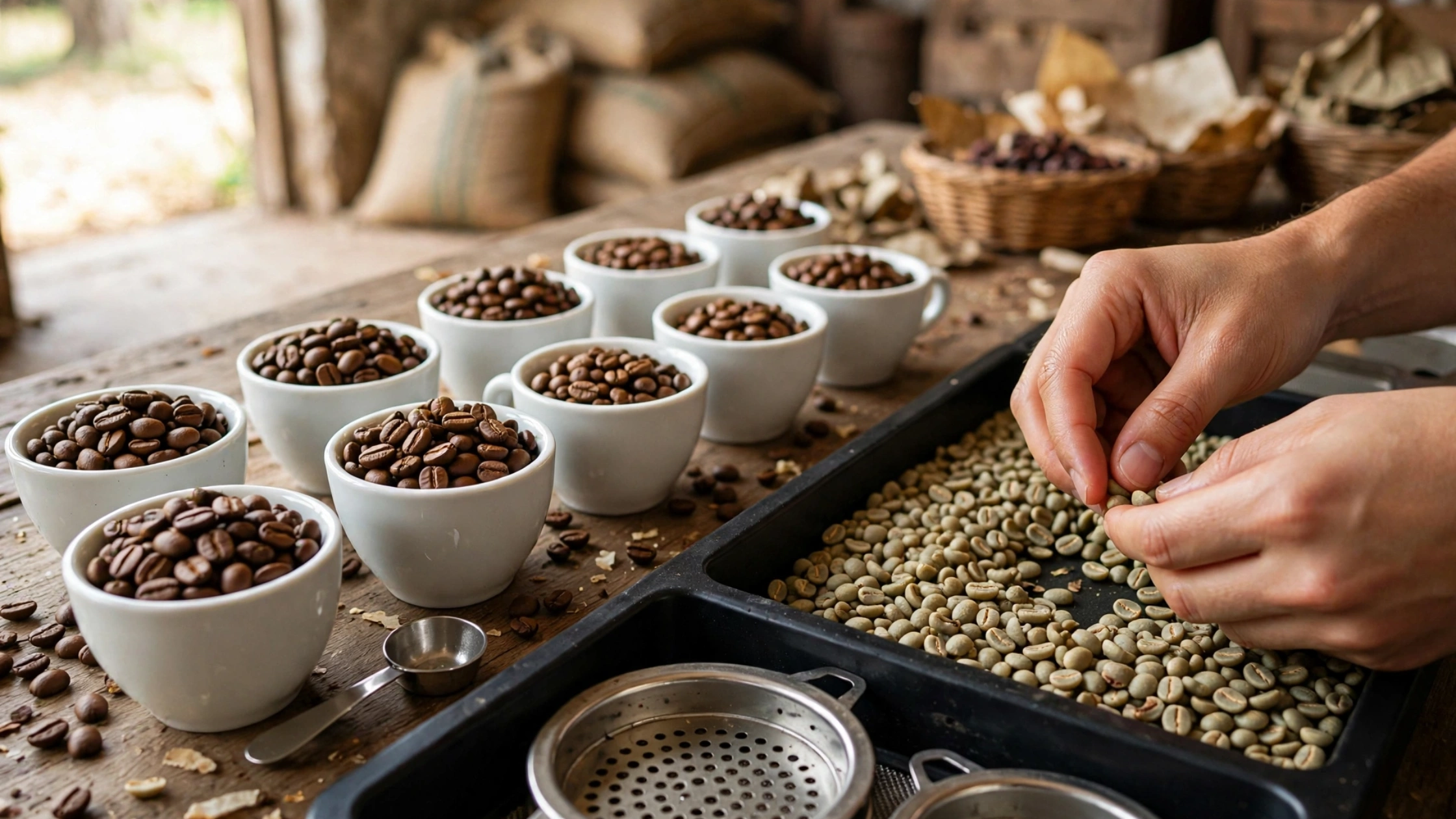
Almost all of it grows in shade. Indian estates sit under a two-tier canopy of native and planted trees, often intercropped with black pepper, cardamom, areca and orange. That matters commercially in two ways: it slows cherry ripening, and it gives you a traceability and biodiversity story that retail buyers increasingly want to print on a bag.
The second difference is the picking. Harvest is manual and selective, and most farms are smallholdings rather than industrial estates. You get careful sorting, but you also get lot-to-lot variation that a good curing works has to smooth out before shipment.
Where Indian Coffee Beans Grow
Karnataka's three districts
Kodagu, Chikmagalur and Hassan account for the large majority of national output. Kodagu leans robusta, Chikmagalur has the older arabica reputation, and elevations run from roughly 700 to 1,500 metres depending on the block. If someone offers you Indian Coffee Beans without naming a district, ask.
Kerala, Tamil Nadu and newer origins
Wayanad in Kerala is heavily robusta. Tamil Nadu's Nilgiris, Shevaroys and Pulneys grow arabica at height. Beyond the traditional belt, Araku in Andhra Pradesh and pockets of Odisha and the northeast now produce tribal-cultivated arabica that has found a speciality following. Volumes there are small, so plan earlier.
Arabica or Robusta: What You Actually Need
Indian Coffee Beans skew heavily towards robusta, roughly two-thirds to three-quarters of output by volume, and that shapes what's readily available. If you're an instant coffee manufacturer or building an espresso blend that needs weight and a stable crema layer, Indian robusta is genuinely competitive against West African and Southeast Asian origins.
Arabica is the smaller share and the one that rewards patience. Washed arabica from Chikmagalur or the Nilgiris tends to be mild and low in acidity, which suits milk-based drinks and filter blends more than bright, fruit-forward single origins. Be honest about the cup profile your market wants before you commit to a container.
Grades and Screen Sizes on a Contract
Indian Coffee Beans are graded by processing and bean size, not by cup quality. Treat the names below as a starting vocabulary and always pair a grade with a sample.
Grade alone won't tell you crop year, defect count or moisture, so those belong in the contract as separate lines.
Speciality Lots Worth Asking About
Monsooned Malabar is the one origin story customers remember. Green beans are spread in open-sided warehouses along the west coast during the southwest monsoon, where humid winds swell them to a pale gold colour and strip out most of the acidity. The result is heavy, mellow and slightly musty in the best sense, and it holds up under a dark roast better than anything else on the Indian list.
Mysore Nuggets Extra Bold and Robusta Kaapi Royale are the other two names you'll see. Both are cleaned and size-graded to a tighter standard than ordinary export lots of Indian Coffee Beans, which is reflected in the price.
What to Ask a Coffee Bean Supplier Before Ordering
Before you buy Indian Coffee Beans in volume, a serious Coffee Bean Supplier will answer all of these without hesitating:
- Crop year and harvest month, since coffee ages and last year's stock is not the same purchase.
- Moisture content, normally specified at 10-12%, plus water activity if you're storing long.
- Defect count per 300g sample, using a stated grading standard.
- Cup score and roast notes from a recent cupping, not a generic sheet.
- Traceability to estate or curing works, which EU buyers now need in far more detail than before.
- Whether the offer is spot stock or forward against the coming harvest.
Ask for a pre-shipment sample and approve it in writing. Any Coffee Beans Supplier that resists this is telling you something useful, and a good Coffee Beans Supplier will offer it before you ask.
Documentation an Indian Coffee Exporter Should Provide
Exports of Indian Coffee Beans move through the Coffee Board of India, so your Indian Coffee Exporter needs valid registration and will arrange an ICO certificate of origin against the shipment. Alongside that, expect a commercial invoice and packing list, phytosanitary certificate, certificate of origin, and a third-party analysis covering moisture, defects and pesticide residues where your destination requires it.
European buyers should raise deforestation-regulation traceability early, because geolocation data for smallholder plots takes time to assemble. A Coffee Exporter from India that has already done this work for other clients will say so plainly, and it's a fair question to put to every Coffee Exporter from India you shortlist.
Packing, Loading, Price and Lead Times
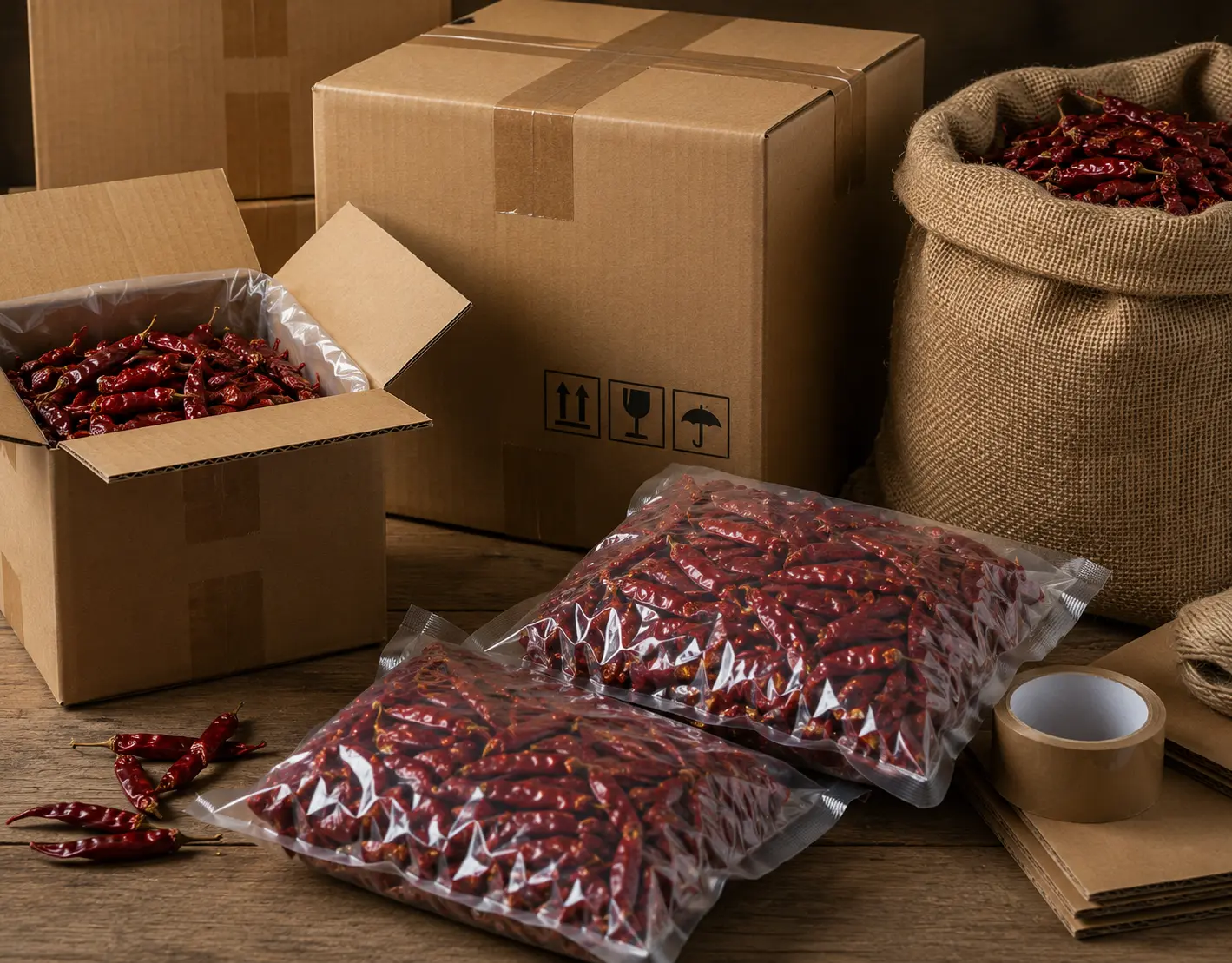
Indian Coffee Beans ship in 60kg jute bags as standard, with GrainPro or similar liners available when the voyage is long or humid. A 20ft container typically takes around 320 bags, close to 19.2 MT, and most first orders are exactly that. Loading ports are usually Cochin, Mangalore, Chennai or Tuticorin.
Pricing is not a flat rate. Robusta is quoted as a differential against the London terminal and arabica against New York, so an offer from a Coffee Bean Exporter is valid for a short window only. Ask any Coffee Bean Exporter to state the differential and the futures month separately, because that's the only way to compare two quotes fairly. Harvest runs from November through February, and three to six weeks from contract to loading is normal.
Frequently Asked Questions
Are Indian Coffee Beans mostly arabica or robusta?
Robusta dominates, making up roughly two-thirds to three-quarters of national output, with arabica concentrated in the higher-elevation parts of Karnataka and Tamil Nadu. Both are available for export year-round, but arabica lots from a specific estate and crop year sell out faster, so book those earlier in the season.
What moisture content should I specify for green coffee?
Ask for 10-12% moisture, tested at the point of loading rather than at purchase. Below 10% the beans lose weight and roast unevenly; above 12% you risk mould and rapid quality loss on a long voyage. If your transit crosses the tropics, add a liner specification too.
Can I buy less than a full container on a first order?
Yes. Many exporters will ship LCL consignments of a few tonnes so you can test the coffee with your roasters first. You'll pay more per kilo in freight and handling, and it's worth treating that premium as a sampling cost rather than comparing it against full-container pricing.
How long does Indian green coffee keep its quality?
Well-stored green coffee holds acceptable quality for roughly nine to twelve months, with the first six being the sweet spot for most roast profiles. Storage matters more than age: cool, dry, dark, off the floor, away from anything aromatic. Vacuum or barrier packaging extends that window noticeably.
Conclusion
Buying Indian Coffee Beans well comes down to being specific about three things: the region and elevation, the grade paired with a sample you've actually cupped, and the crop year. Get those on paper and the rest is routine. India's advantage is the shade-grown story combined with robusta that performs in espresso, but it's a country of smallholders, so consistency depends on the curing works behind your supplier rather than the origin name. Prices track the terminal markets, which means good offers expire quickly. Prism Exports helps international buyers approach Indian coffee sourcing with clear product requirements and export-focused support.
If you're planning your first shipment or comparing two offers, talking it through with Prism Exports will usually settle the question faster than another round of emails.
Follow Prism Exports on Instagram.