Indian Peanut Varieties and Specifications for Global Buyers
Published by Prism Exports
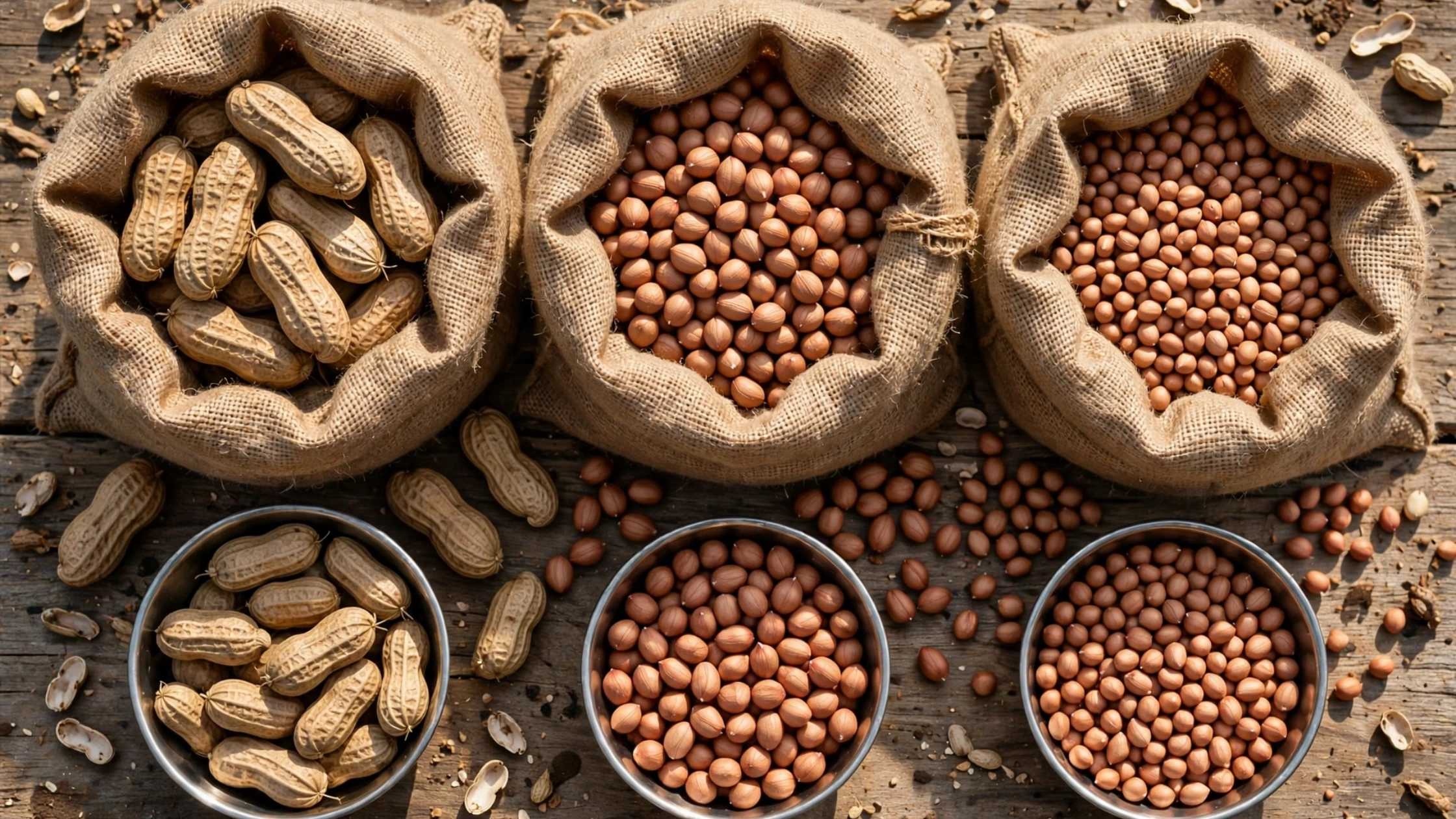
An importer in Ho Chi Minh City asked for "Indian peanuts, 50/60, good quality" and was surprised when three offers came back at noticeably different prices. All three were honest quotes, simply for different material: one Bold, one Java, one TJ, each with its own kernel shape, oil content and end use. Prism Exports understands that Indian peanut varieties are not interchangeable, and count alone doesn't describe what you're buying.
If you're specifying for a snack line, a butter plant, a confectionery unit or a crushing mill, the variety decision comes before the price discussion. Prism Exports can help buyers understand how trade names map to the material they'll receive, along with the specification points worth fixing in writing. This guide covers what's grown and traded, how trade names map to what you'll receive, and the specification points worth fixing in writing.
The Main Indian Peanut Varieties in the Export Trade
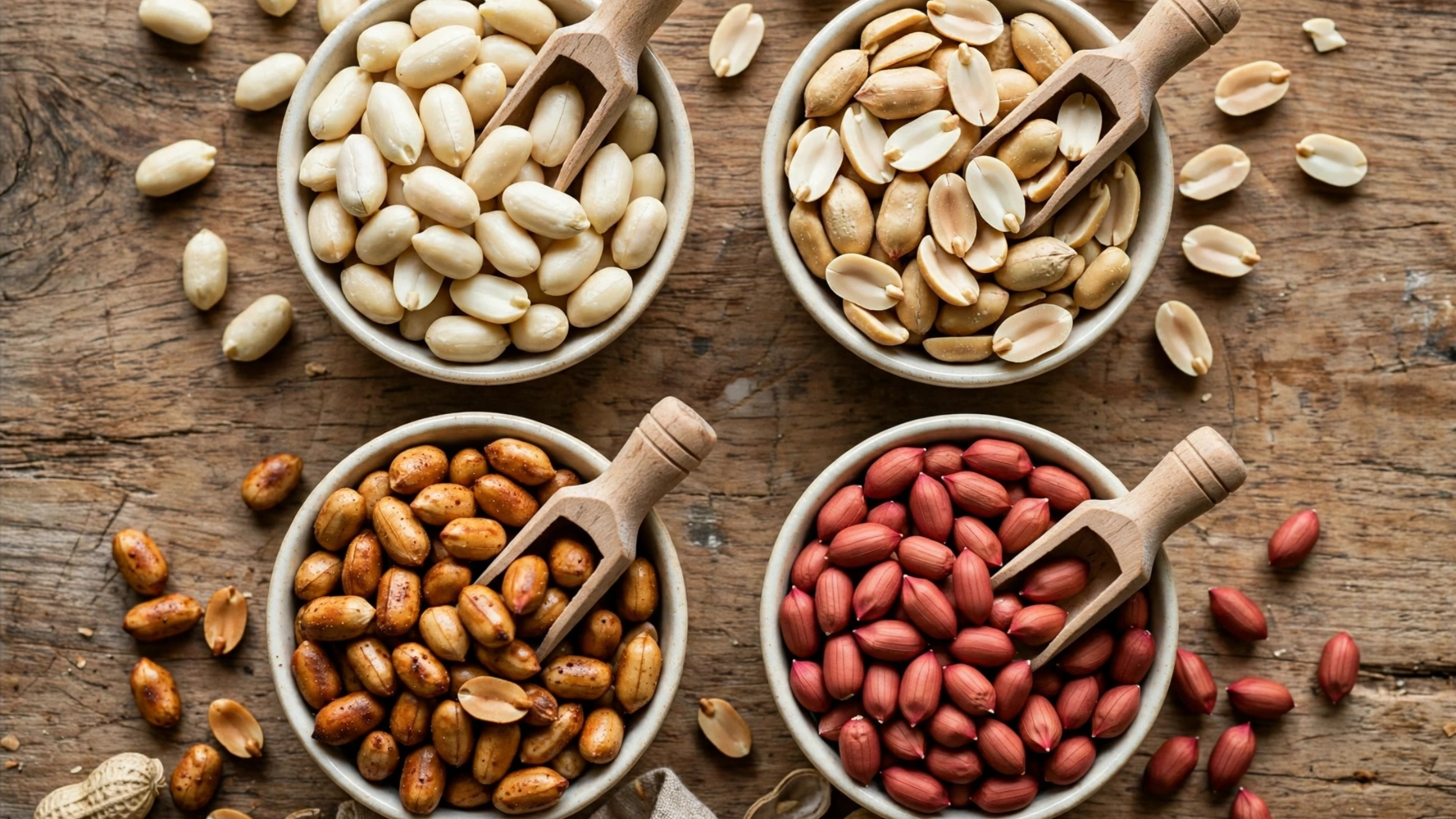
Indian export material is largely Spanish-type groundnut, sold under trade names rather than botanical ones. Understanding the mapping saves a lot of confusion.
Bold and Java
Bold kernels are larger and more oblong, and they come mainly from Gujarat's Saurashtra belt. They suit roasting, snack packing and retail bags where kernel appearance sells the product. Java kernels are smaller, rounder and generally sweeter, and they're the workhorse for confectionery, coating and blanched product across Asia.
Ask any peanut exporter from India for "Bold" and you'll typically be shown counts from 38/42 through 60/70. Java tends to run 50/60 through 80/90. The two overlap in the middle of the range, which is exactly where buyers get caught out.
TJ Kernels
TJ material comes largely from Andhra Pradesh and Karnataka. The kernels are small, round, uniform and clean-skinned, with a strong following in Southeast Asian confectionery markets. Among Indian peanut varieties, TJ usually carries a premium over comparable Java counts when quality holds.
Named Agronomic Varieties
Behind the trade names sit actual cultivars: GG-20, TG-37A, TAG-24, JL-24, Kadiri and Dh types among them. High oleic groundnut lines developed in India have also started reaching export channels. Their higher oleic-to-linoleic ratio extends shelf life in roasted and butter applications, so ask specifically if oxidative stability matters. Availability is still limited and it commands a premium.
How Indian Groundnut Varieties Differ by Region and Season
Indian peanut varieties shift with season as much as with region. The kharif crop, sown with the monsoon in June and July and harvested from October, carries most of the volume and offers the widest choice. The rabi or summer crop arrives in March and April with tighter supply, useful for bridging the gap before the next main harvest. Indian groundnut varieties from the rabi crop often show better kernel uniformity, since growing conditions are more controlled.
Peanut Specifications Worth Fixing in Writing
Indian peanut varieties set the character; peanut specifications set the enforceable standard. Agree these before anyone quotes.
- Count per ounce with retention percentage. A 50/60 with 90 percent retention is a specification. A bare 50/60 is a hope.
- Moisture at loading, commonly 7 to 8 percent maximum, with the test method named.
- Admixture and foreign matter, typically 0.5 to 1 percent maximum.
- Damaged, discoloured and immature kernels, with a written definition of what counts as damaged.
- Split percentage, usually 2 to 5 percent depending on grade and end use.
- Oil content, relevant for crushing and butter, generally in the high forties for most Indian material.
- Aflatoxin ceiling, matched to your destination and your product category, with the sampling plan attached.
Ready-to-eat product faces far tighter aflatoxin limits than consignments destined for further sorting, so confirm the current requirement for your market rather than assuming a supplier's default. Any competent peanut supplier India based will ask you this question before quoting.
Processed Forms and What They Change
Indian peanut varieties behave differently once processed. Blanched kernels have the skin removed by heat and friction, which suits butter, bakery and coated snacks, but blanching exposes handling damage, so kernel quality has to be better going in. Splits are half kernels, cheaper per tonne, and perfectly good for crushing and butter where appearance is irrelevant.
Hand-picked selected pods, sold in-shell as HPS, go to roasting and in-shell retail. They ship at lower density, so a container carries less weight and freight per tonne of edible kernel rises. Factor that in when comparing landed cost across Indian peanut varieties.
Matching Indian Peanut Varieties to Your End Use
Work backwards from the finished product. The variety that suits a coated snack rarely suits a crushing mill.
1. Retail roasted snacks: Bold, 38/42 to 50/60, where large uniform kernels justify the price on shelf.
2. Coated and confectionery products: Java or TJ, 60/70 to 80/90, chosen for roundness and coating uniformity.
3. Peanut butter: smaller Java counts, splits or blanched kernels, with oil content and free fatty acids more important than looks.
4. Crushing for oil: splits and lower grades, priced against oil yield rather than appearance.
5. Extended shelf-life applications: high oleic lines where available, at a premium and with longer lead times.
Buying a larger count than your process needs is one of the most common ways importers overspend. If the kernel is going into a grinder, appearance is worth nothing to you.
What Export Quality Peanuts Should Look Like on Arrival
Open a bag and check before the container leaves the port. Export quality peanuts should show uniform size within the stated count, intact and evenly coloured skins, few shrivelled or immature kernels, and no musty odour. Grey, dull skins usually mean old crop. Visible mould or insect damage means the lot should never have shipped.
Keep your sealed pre-shipment sample. In a dispute, what separates a claim that settles from one that drags on is usually whether you can put two comparable samples on the same table.
Ordering Practicalities
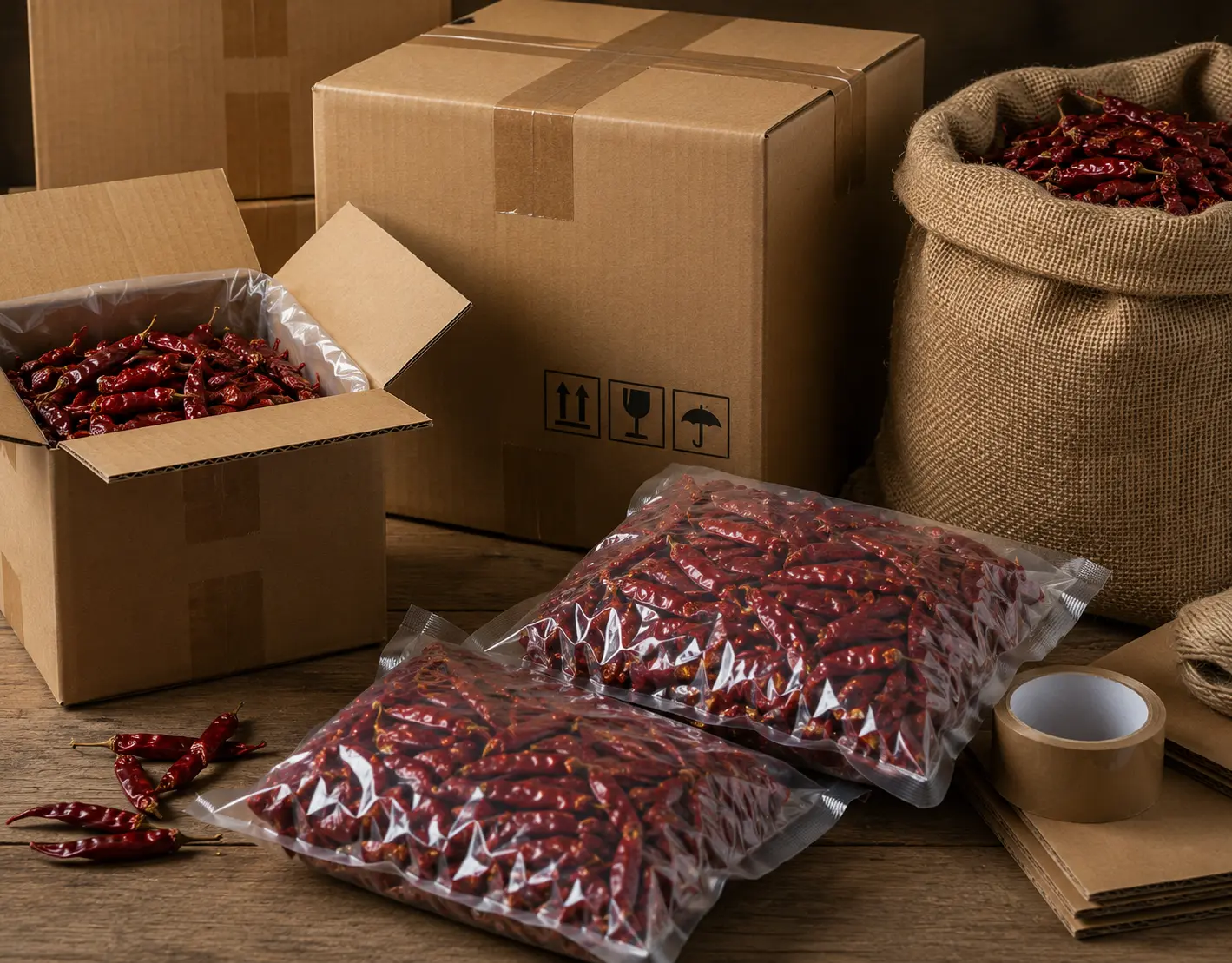
Standard packing runs 25 kg or 50 kg PP or jute bags, with vacuum cartons for premium blanched grades. A 20-foot container takes 19 to 20 MT of shelled kernels, a 40-foot high cube around 26 to 27 MT. In-shell loads are limited by volume, not weight.
Lead times run two to four weeks from confirmed order for grades in stock, longer where a count has to be processed. A reliable peanut supplier India side confirms loading port early, since Mundra, Kandla and Pipavav suit European and Middle Eastern routes while Chennai and Krishnapatnam serve Southeast Asia.
Frequently Asked Questions
Which Indian peanut varieties are best for peanut butter?
Smaller Java counts, split kernels and blanched material are the usual choices, because oil content and free fatty acid levels matter far more than kernel appearance in a grinder. Confirm the aflatoxin ceiling for your market, since butter production normally demands tighter control than snack packing does.
What is the difference between Bold and Java peanuts?
Bold kernels are larger and more oblong, favoured for roasting and retail snack packs where appearance drives the sale. Java kernels are smaller, rounder and generally sweeter, which suits confectionery, coating and blanching. They overlap in the middle count ranges, so always specify the trade type alongside the count.
Are high oleic peanuts available from India?
Yes, though volumes remain limited next to conventional material. High oleic lines developed in India offer longer oxidative shelf life, which matters for roasted snacks and butter. Expect a price premium, longer lead times and earlier booking in the season, so plan requirements well ahead.
How do I confirm the variety I ordered is what shipped?
Ask the peanut exporter from India for pre-shipment samples drawn from your lot and sealed by a third-party inspector, with lot numbers matching the packing list. Kernel shape, size uniformity and skin colour give a practical check on arrival. Written specifications and retained samples make any claim far easier to pursue.
Conclusion
Indian peanut varieties give you real choice: Bold for appearance, Java for confectionery and blanching, TJ for premium uniformity, splits and blanched material for processing, and high oleic lines where shelf life is the priority. Getting the choice right saves more money than negotiating hard on a grade that was never suited to your process in the first place. Prism Exports can help buyers match the right peanut variety to their application, quality needs, and order volume.
Pin down the trade type, the count with retention percentage, moisture, tolerances and the aflatoxin standard for your destination, then judge the first container on how cleanly it's handled. If you're mapping Indian peanut varieties to a new product line, a direct conversation with Prism Exports about your process and volumes can narrow the options quickly.
Follow Prism Exports on Instagram.