Peanut Exporter to Indonesia: What Importers Should Know
Published by Prism Exports
A Jakarta snack plant can run short of Java-type kernels weeks before Lebaran, only to find that suitable lots are already committed. That seasonal rush is one reason a dependable peanut exporter to Indonesia can matter beyond a small difference in invoice price. Indonesia grows peanuts, but local supply may not meet demand from its sambal, satay, krupuk, and biscuit industries. Prism Exports can help buyers discuss sourcing plans and product specifications.
Indian supply can help fill that gap when specifications, permits, and moisture controls are addressed early. This guide covers grades and counts, aflatoxin requirements, import approvals, container loading, indicative pricing, and payment structures. Prism Exports can help you review these factors as you plan your next order.
Why Indonesian Buyers Look to India
Indonesia’s own crop comes off smallholder plots in Java and Sulawesi in lots of a few hundred kilos, dried on whatever surface is free that week. Quality swings hard between one truck and the next, and for a factory running a continuous roasting line that inconsistency costs more than the raw material saving. A peanut exporter to Indonesia shipping from Saurashtra in Gujarat or the Anantapur belt in Andhra Pradesh offers the opposite: gradable volume, electronically sorted, delivered against a written spec, in two to three weeks from Mundra to Tanjung Priok.
Know which buyer you are before asking for a quote. Roasters and coaters want whole kernels with even colour and clean skins. Grinders making sambal kacang or peanut butter care about oil content and price, so splits suit them fine. A good Indian peanut exporter asks that first; one who quotes a single “good quality” price is guessing.
Grades and Specifications That Decide Your Price
Kernel Counts and What They Suit
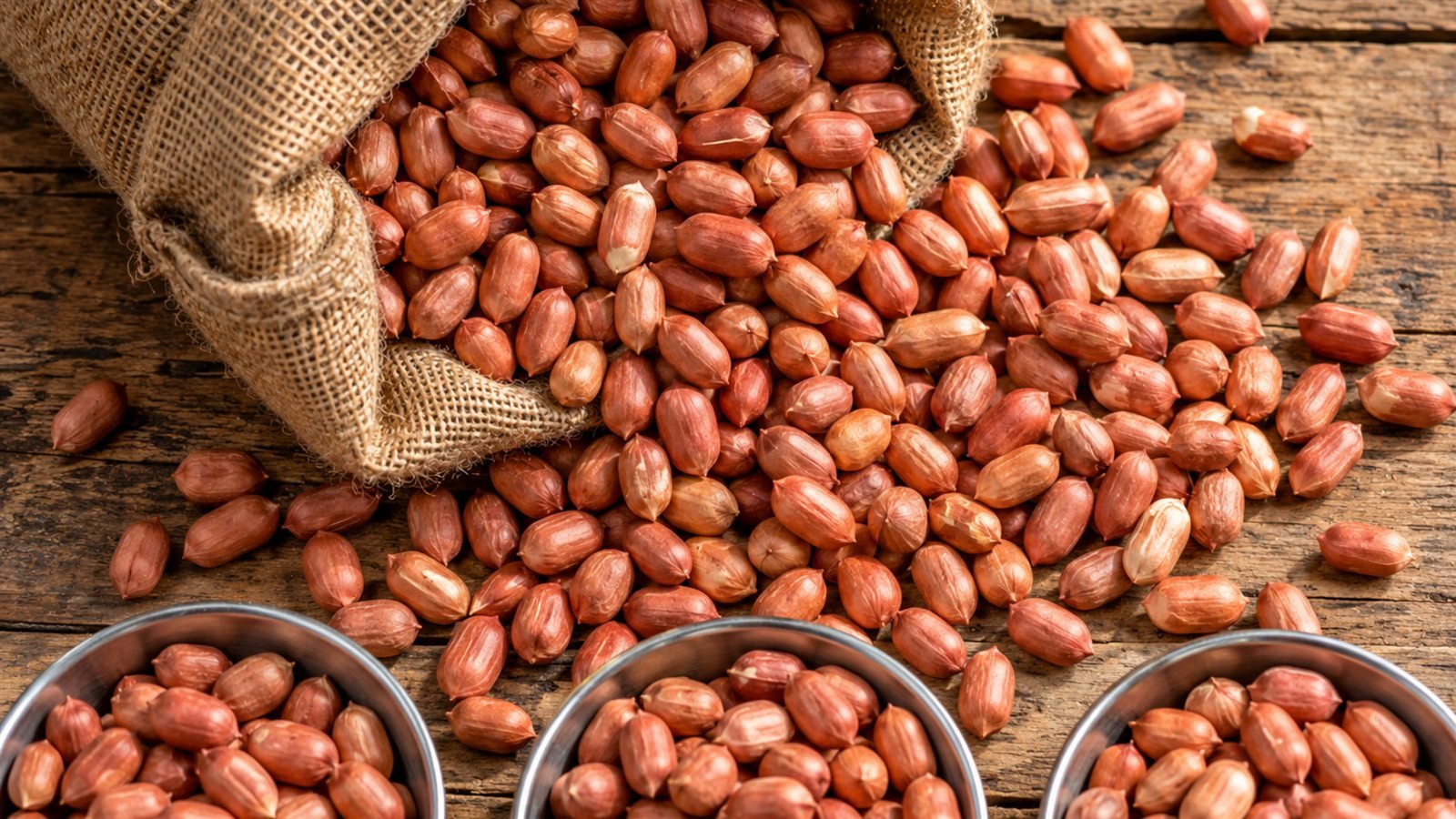
Counts describe how many kernels fit into an ounce, so a lower number means a bigger nut and a higher price. Indonesian demand skews smaller than European demand, which works in your favour: the counts you prefer are the ones a peanut exporter to Indonesia usually holds in surplus.
| Type and count | Kernel size | Best suited to | Price position |
| Java 38/42 | Large | Table nuts, premium roasting | Highest |
| Java 50/60 | Medium-large | Coated and flavoured snacks | High |
| Java 60/70 | Medium | General roasting, blending | Mid |
| Java 70/80 | Small | Grinding, sauces, confectionery | Lower |
| Blanched kernels | Skin removed | Peanut butter, bakery, fillings | Premium |
| Splits and brokens | Irregular | Grinding, oil extraction | Lowest |
Moisture, Admixture and Oil Content
Write these into the contract rather than leaving them to custom. Moisture 8% maximum is standard, and 7% is worth paying for if cargo will sit at a humid port. Admixture 1%, damaged kernels 2%, free fatty acid 1%, oil content in the mid to high forties for Java types. Each is testable, which is the point. “Sound, merchantable quality” gives you nothing to argue with later.
Aflatoxin, Residues and Lab Testing
Indonesian importers commonly work to a total aflatoxin ceiling around 20 ppb with a tighter sub-limit on B1. If your snacks are re-exported to Japan, Korea or the EU, your own customers impose something stricter, and that number, not the border limit, belongs in your contract with any peanut exporter to Indonesia.
Aflatoxin is never evenly spread through a lot. One mouldy pocket in a single bag can fail a whole container, so sampling protocol matters as much as the limit. Agree in writing how many incremental samples form the composite, who draws them, and which accredited lab issues the certificate. Third-party inspection at the load port is cheap insurance.
Documentation: What Travels With the Container
From the Indian Side
- Commercial invoice and packing list with bag count and net weight
- Bill of lading, with your bank named correctly under an LC
- Phytosanitary certificate from plant quarantine, plus fumigation certificate
- Certificate of origin, on the preferential form where duty concessions apply
- Aflatoxin, moisture and pesticide residue reports from an accredited lab
- Exporter registration and marine insurance on CIF terms
Approvals You Arrange in Indonesia
Your side usually takes longer. Import approvals for agricultural products come against annual quotas with validity windows, and a permit that expires mid-voyage causes real pain at Tanjung Priok. Register through the national single window and notify quarantine before arrival. A serious peanut supplier to Indonesia holds shipment until you confirm the permit is live.
How to Shortlist a Peanut Exporter to Indonesia
Reputation travels slowly here, so run these checks before comparing prices from an Indian peanut supplier. The list works for any peanut supplier to Indonesia, agent or mill.
1. Ask for three recent lab reports on shipments to Southeast Asia, not a generic one.
2. Confirm they control sorting and grading rather than buying finished lots from a mandi.
3. Request loading photographs and a container seal record from a past shipment.
4. Check they can hold stock through the lean months of August to October.
5. Get their rejection-handling process in writing before you sign anything.
6. Start with one container. A peanut exporter from India who pushes you to open with five is telling you something.
What a Bulk Peanut Supplier Must Get Right on Loading
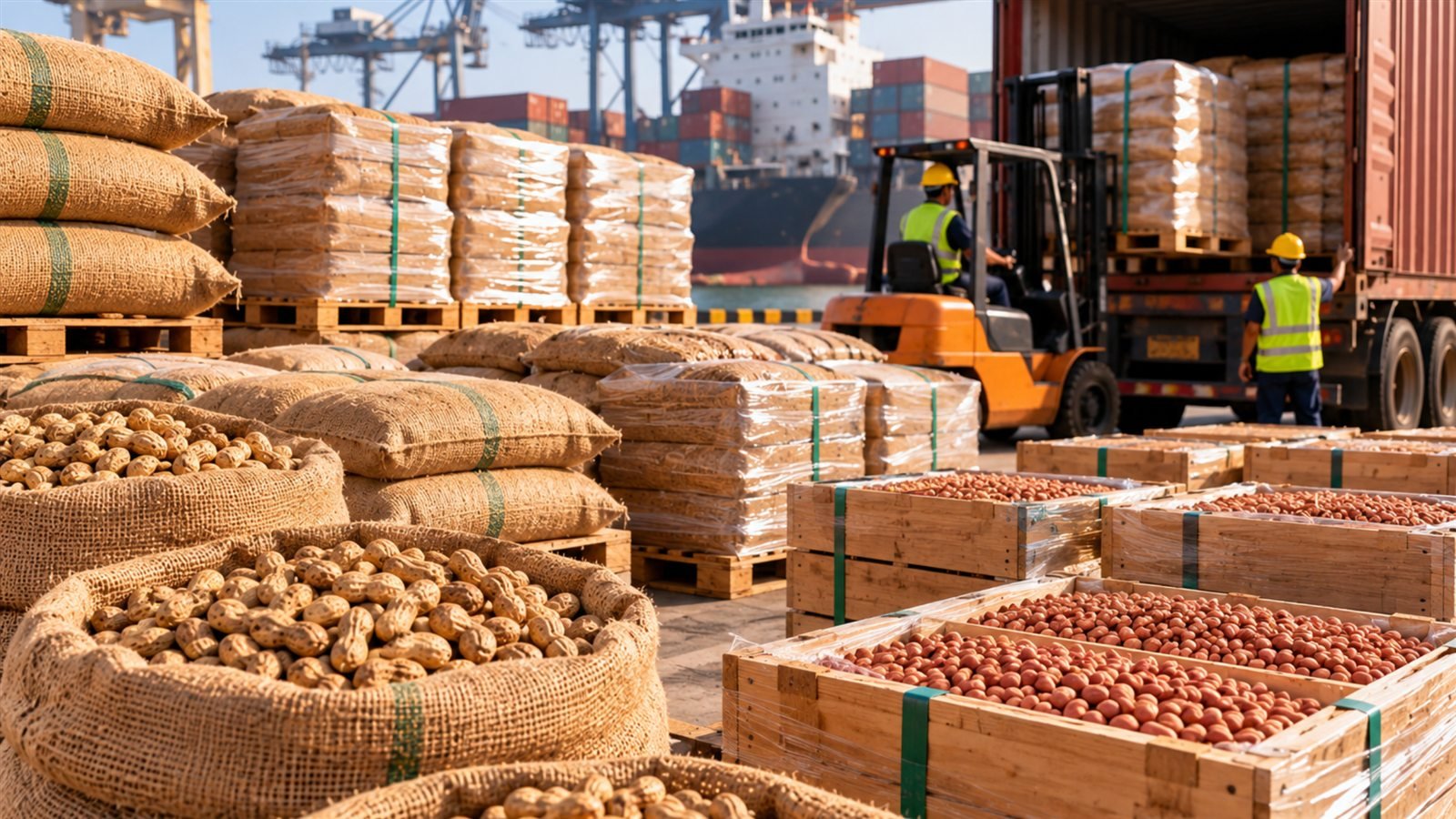
A 20ft container typically carries 19 to 20 MT in 25kg or 50kg woven bags, and weight rather than volume sets the ceiling. Condensation is the real enemy here. Warm cargo loaded in Gujarat meets cooler sea air, moisture forms on the roof and rains back onto the top bags, and you open the doors in Jakarta to find caking on cargo that left dry. A careful bulk peanut supplier lines the container with kraft paper, hangs desiccant rated for the transit, and verifies moisture the week of loading.
Pricing and Payment Terms With an Indian Peanut Exporter
Indicative FOB Mundra levels for Java kernels have generally sat in a broad band of roughly USD 1,000 to 1,600 per MT depending on count, crop year and blanching, with CFR Tanjung Priok adding freight. Treat any peanut exporter to Indonesia quote as a snapshot; prices move with the Gujarat arrival season, the rupee and freight rates.
Payment terms follow the relationship. A first order commonly runs on an irrevocable letter of credit at sight, or 20% to 30% advance against scanned documents. Documents against payment appears once trust is established. An Indian peanut supplier demanding full advance from a new counterparty is not offering a reasonable risk split.
Lead Times: When to Book With a Peanut Exporter to Indonesia
The kharif crop arrives in Gujarat from late October through December, and the summer crop from Andhra Pradesh and Karnataka lands around March to May. Availability is best and pricing keenest from November to February. By late August, old-crop stocks thin and quotes stiffen. Work backwards from your demand peak: two to three weeks for grading at the peanut exporter from India, two to three weeks at sea, then customs.
Frequently Asked Questions
How long does shipping take from India to Indonesia?
Direct sailings from Mundra or Kandla to Tanjung Priok take two to three weeks, with transhipment adding several days. Add ten to twenty days beforehand for grading, testing and stuffing, plus clearance on arrival. A six to eight week door-to-door cycle is realistic for a first shipment.
What aflatoxin limit should I write into my contract?
Write the limit your end market demands, not the border minimum. If you sell only domestically, the national ceiling may suffice. If you re-export, specify something tighter, name the testing laboratory and sampling protocol, and agree the remedy if an arrival retest disagrees with the pre-shipment certificate.
What is a realistic minimum order quantity?
One 20ft container, around 19 to 20 MT, is the practical floor for sea freight. Smaller trial quantities move as LCL or courier samples at a much higher per-kilo cost. Many an Indian peanut exporter quotes better rates from three containers upward, but opening with one is sensible.
How do I verify a peanut exporter to Indonesia before paying?
Ask for sealed samples drawn from the actual lot offered, with that lot’s lab report attached, and run your own roasting trial. Check export registration papers, request references from two current buyers in your region, then appoint an independent inspector for the first container.
Conclusion
Sourcing well from a peanut exporter to Indonesia comes down to clear specifications, independent checks, and good timing. Define counts, moisture, admixture, and aflatoxin limits in measurable terms. For early orders, consider third-party inspection and arrival testing. Then plan purchases around the Indian crop calendar and your festival demand. Consistent quality across the year can matter more than a one-time discount.
If you’re comparing origins or specifications for the coming season, Prism Exports can help you review product requirements, volumes, and timing for your production line. Start a discussion with the Prism Exports team to explore options for your next order.
For updates, follow Prism Exports on Instagram.