Peanut Exporter to Ukraine: Indian Peanut Sourcing Guide
Published by Prism Exports
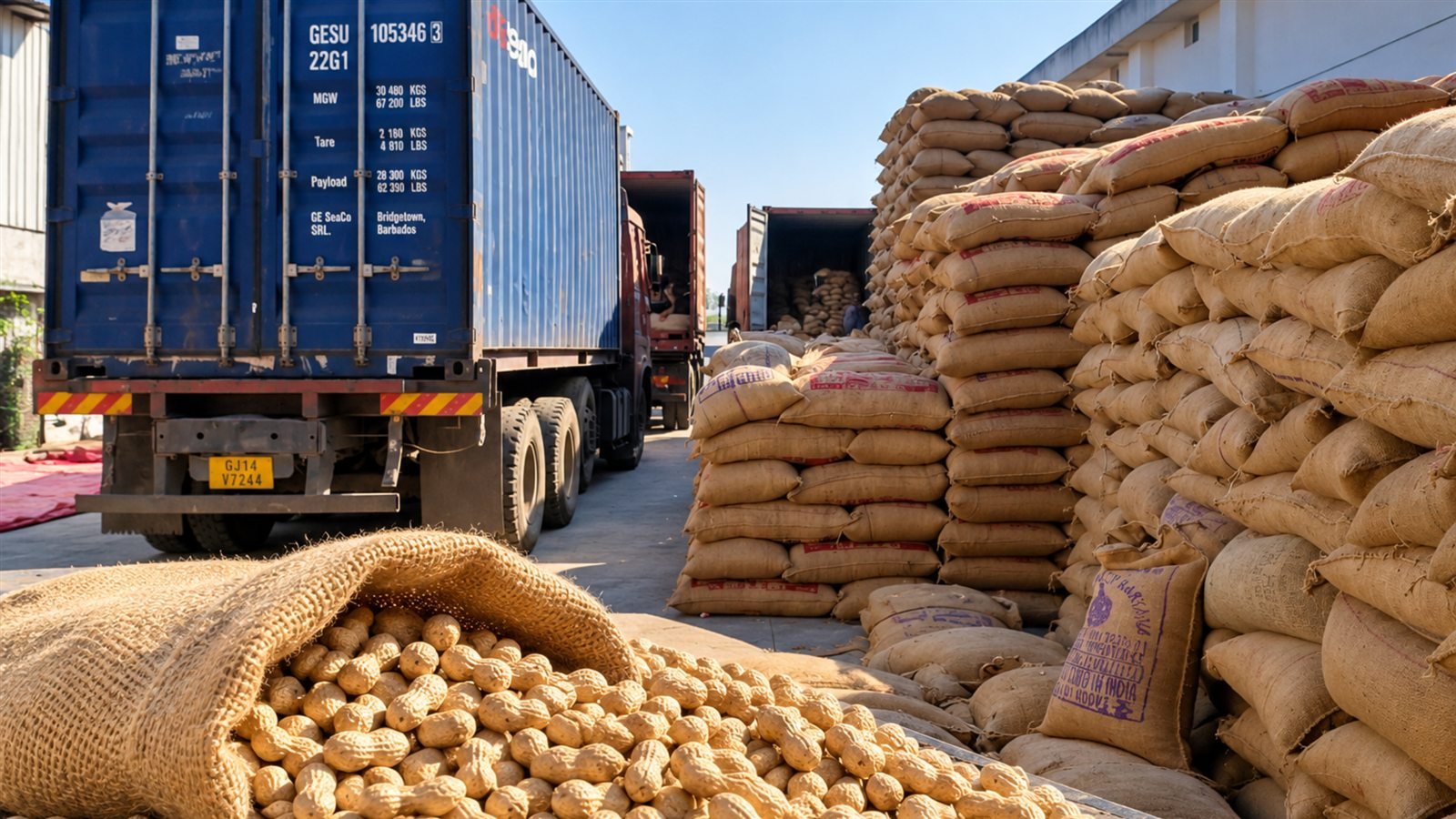
Ukraine’s confectionery industry uses peanuts in wafers, chocolate bars, halva, coated snacks, and paste, while local production is limited. With cargo arriving by sea or road, choosing a peanut exporter to Ukraine involves considering routing, paperwork, and shipment risks as well as price. Prism Exports can help buyers discuss sourcing requirements and delivery options.
India is one origin buyers may consider for peanut supply. While commercial needs remain, routes and logistics can change, so it helps to review current options before placing an order. This guide covers grades and counts, aflatoxin requirements, port and overland routes, payment considerations, and shipment timelines. Prism Exports can help you assess these details for your sourcing plan.
Why Ukraine Buys Indian Peanuts
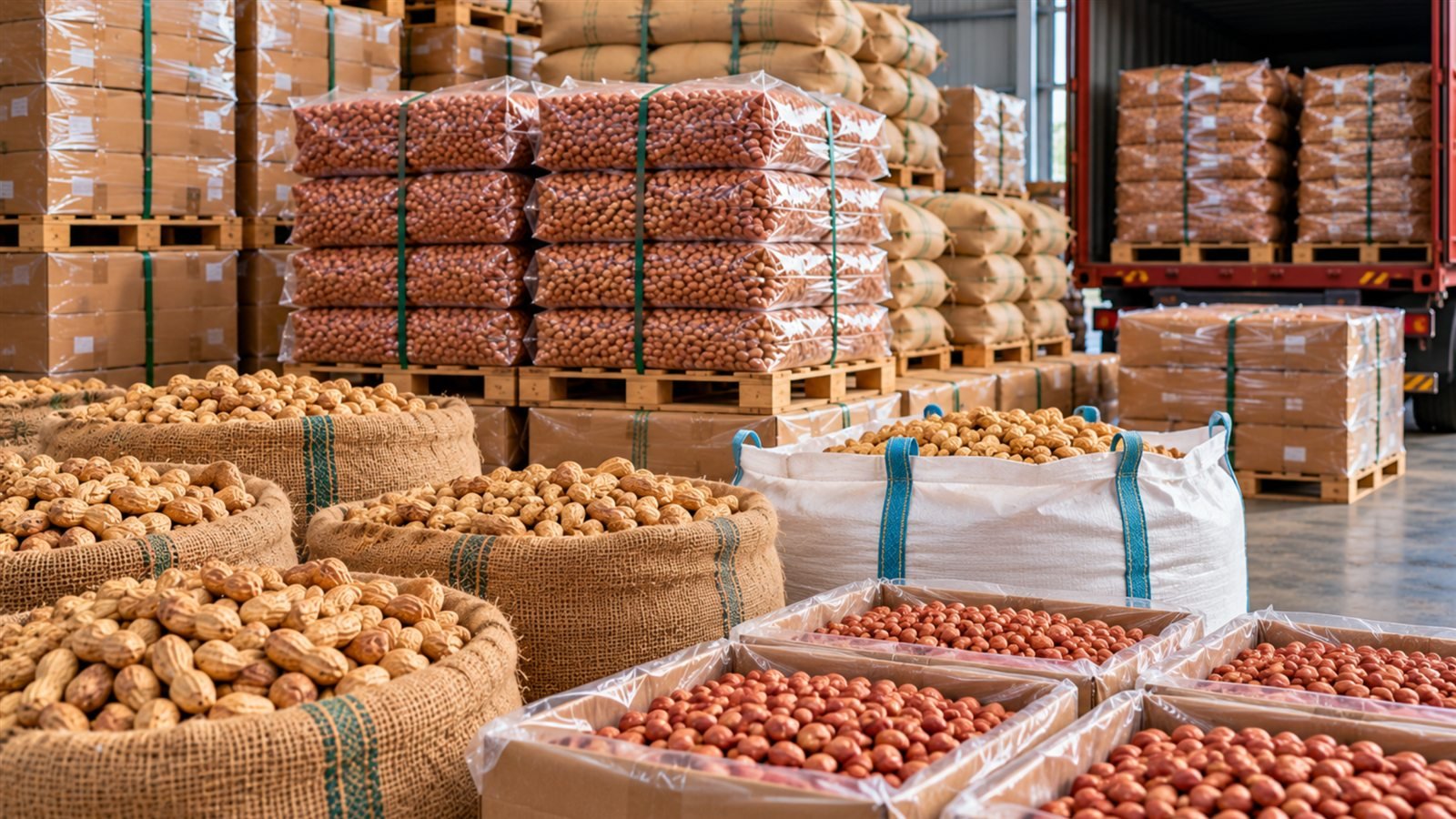
Ukraine has no domestic groundnut crop worth speaking of, so processors have always imported. India, Argentina, Brazil and several African origins compete for the business. A peanut exporter to Ukraine shipping from India tends to win on two counts: availability across most of the year, and mid and small counts in the volumes a wafer or paste line consumes.
An Indian peanut exporter shipping from Gujarat or Andhra Pradesh offers Java and Bold types side by side, blanched or raw, with lab reports written against the limits your customers apply. That matters here more than in most markets, because Ukrainian food law has been aligned progressively with EU rules, and your buyers downstream will test.
Routes and Ports: Getting Cargo In
Black Sea and Danube Options
Odesa, Chornomorsk and Pivdennyi have handled commercial cargo through the Black Sea corridor, and the Danube ports of Izmail and Reni carry smaller volumes. Both work, but sailing schedules and war-risk premiums move without notice. Confirm insurance cover and the status of your discharge port before fixing a contract, and build flexibility into the delivery clause.
The Overland Route Through Romania and Poland
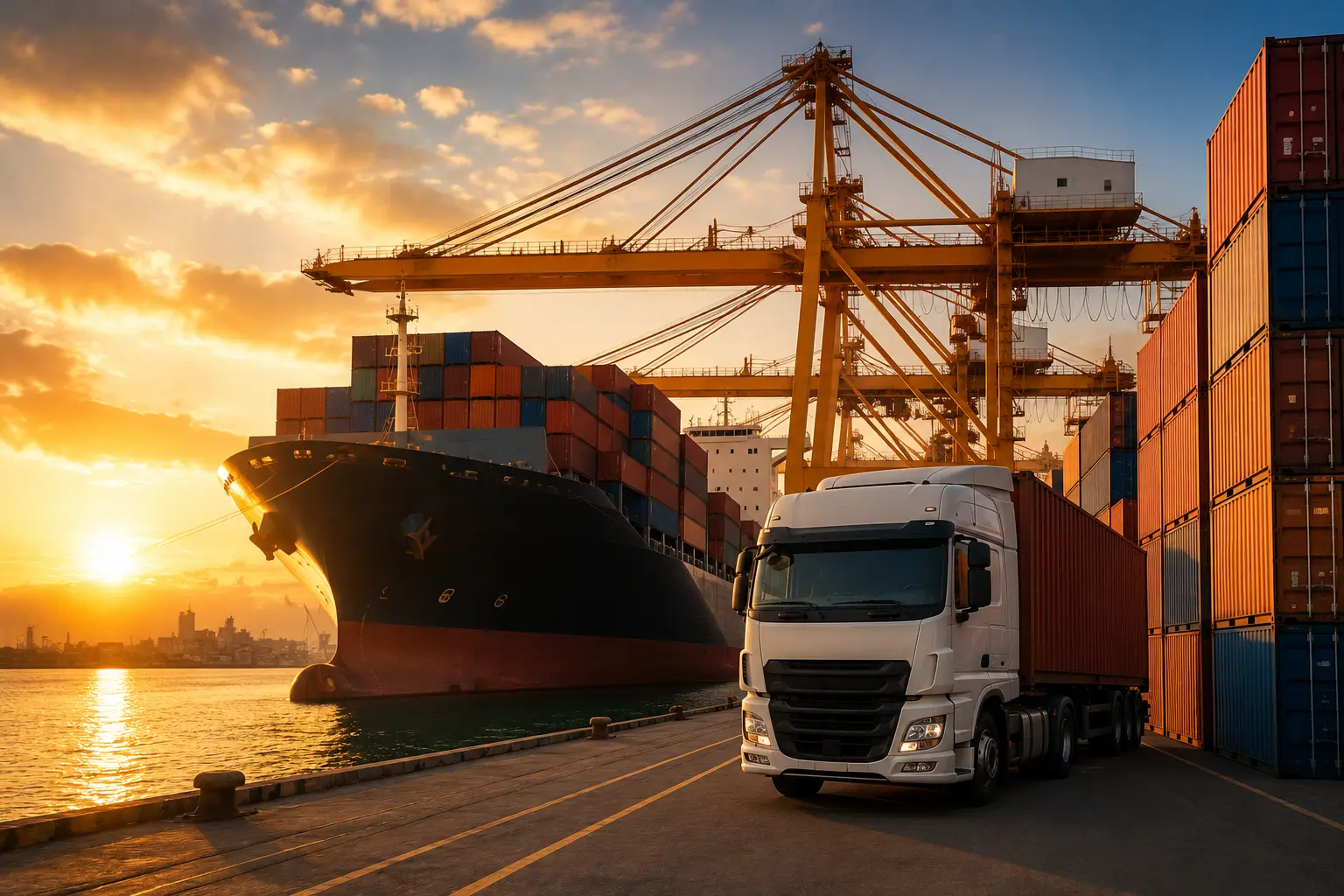
Many importers now discharge at Constanta, Gdansk or Gdynia and move cargo inland by truck or rail. It costs more per tonne and adds one to two weeks, but schedules are predictable and insurance straightforward. Road weight limits mean roughly 20 to 22 tonnes per truck, so a 20ft container transfers cleanly. A peanut supplier to Ukraine used to this routing quotes CIF Constanta or DAP a border point rather than pretending direct delivery is simple.
Grades and Specifications Processors Buy
Counts describe kernels per ounce, so lower numbers mean bigger nuts. Confectionery and paste lines lean smaller, roasters and retail packers larger.
| Type and count | Kernel size | Typical use | Price position |
| Java 38/42 | Large | Retail packs, table nuts | Highest |
| Java 50/60 | Medium-large | Coated and salted snacks | High |
| Java 60/70 | Medium | Roasting, wafer fillings | Mid |
| Java 70/80 | Small | Paste, halva, confectionery | Lower |
| Blanched kernels | Skins removed | Bakery, chocolate, fillings | Premium |
| Splits and brokens | Irregular | Grinding, industrial use | Lowest |
Have the peanut exporter to Ukraine confirm the rest of the spec too: moisture 8% maximum, admixture 1%, damaged kernels 2%, free fatty acid 1%, oil content in the mid to high forties. Each is testable, and a contract saying “good quality” gives you nothing to argue with when a lot disappoints.
Aflatoxin and Residue Limits Under EU-Aligned Rules
This is where Ukraine differs sharply from many destinations. Because national food safety rules track the EU framework, the thresholds applied to peanuts depend on intended use. Kernels sold ready to eat face very tight total aflatoxin ceilings, commonly in the low single figures, while material destined for sorting or further processing is allowed a wider limit. Declaring intended use correctly is not a formality; it decides which limit applies.
Pesticide residues follow the same logic, with EU-style maximum residue levels rather than looser origin-market norms. Ask any peanut exporter to Ukraine for a residue screen against the EU panel, not a generic report, and agree the sampling protocol in writing. Aflatoxin sits in pockets rather than spreading evenly, so the number of incremental samples in the composite matters as much as the ceiling itself.
Documentation a Peanut Exporter to Ukraine Should Provide
- Commercial invoice and packing list with bag count and net weight
- Bill of lading or CMR, depending on whether you discharge locally or transship
- Phytosanitary certificate from Indian plant quarantine, plus fumigation certificate
- Certificate of origin from the relevant chamber or export authority
- Aflatoxin and pesticide residue reports from an accredited laboratory
- Exporter registration papers and insurance covering the actual routing
On your side, the state food safety service handles import control and quarantine inspection, and your broker lodges the customs declaration. Where cargo enters through an EU port first, that leg carries its own checks. Sanctions screening of banks and vessels is now routine, so have your bank confirm the counterparty and routing before a peanut exporter from India ships.
What a Bulk Peanut Supplier Must Get Right on Loading
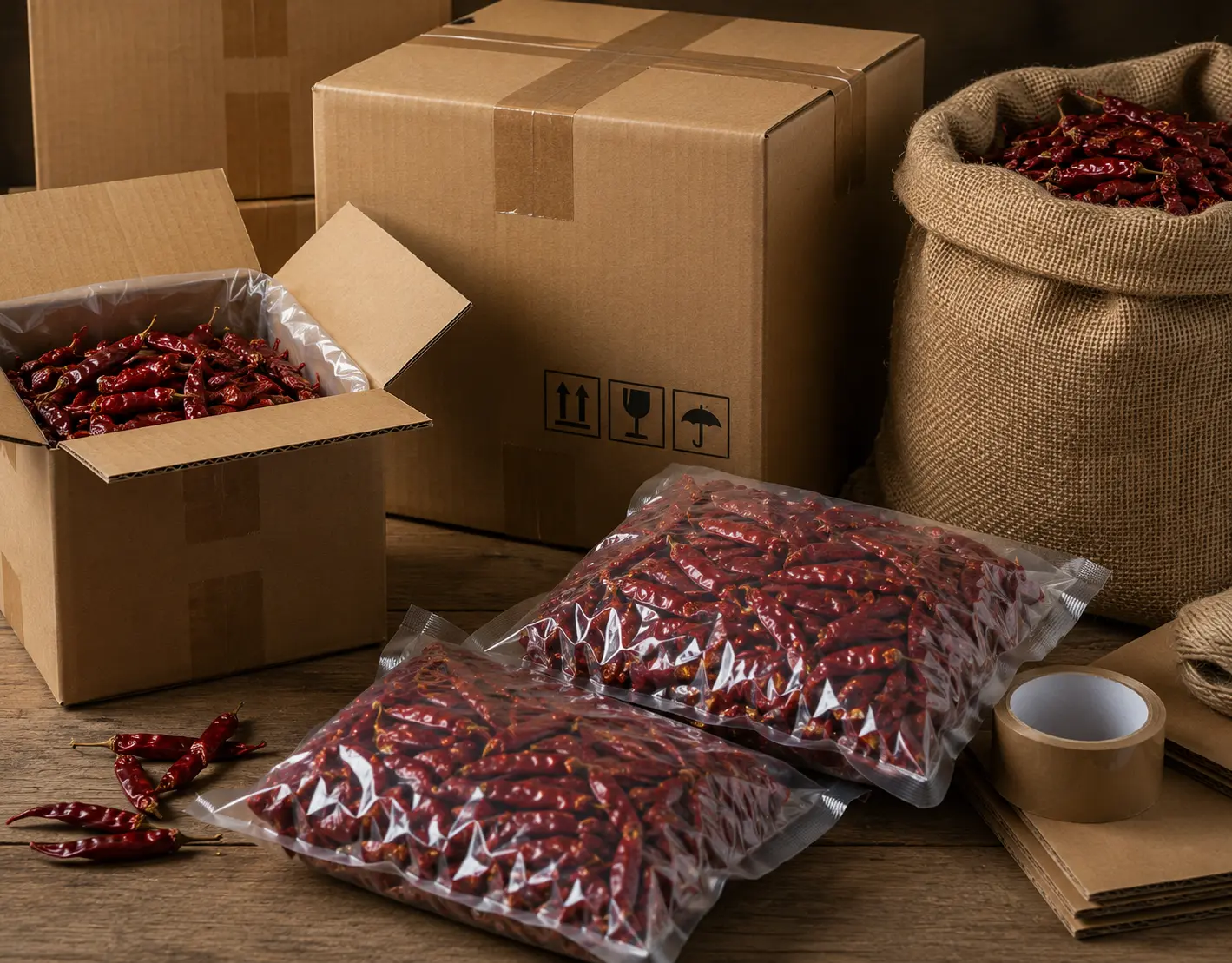
A 20ft container holds roughly 19 to 20 MT in 25kg or 50kg woven bags, and weight rather than volume sets the ceiling. The risk here is time. Cargo that sits at a transhipment port, then waits again for a truck, spends far longer in transit than a direct sailing, and condensation inside the box does its damage slowly. A careful bulk peanut supplier lines the container with kraft paper, hangs desiccant rated for the full journey rather than the sea leg alone, and verifies moisture in the week of stuffing. Winter adds a wrinkle: cargo moving overland in January is loaded warm and unloaded in frost.
Pricing, Payment and Currency Rules
Indicative FOB Mundra levels quoted by a peanut exporter to Ukraine have generally sat in a broad band of roughly USD 1,000 to 1,600 per MT depending on count, crop year and blanching. Freight and inland haulage add materially more once you route through Constanta or Poland, so compare landed cost rather than FOB headline numbers.
Payment trips up newcomers. Currency controls and wartime banking rules restrict how freely importers buy and remit foreign exchange, and advance payment windows are limited. A letter of credit at sight through a bank comfortable with the corridor is the usual answer, though some buyers settle through an EU-registered arm. Agree the structure with your bank before signing with an Indian peanut supplier, because a contract your bank won’t process is worse than none.
Lead Times: Booking a Peanut Exporter to Ukraine
Kharif arrivals build from late October into December, with the summer crop landing around March to May. Availability is widest and pricing keenest from November through February. Work backwards: two to three weeks for grading and stuffing at the peanut exporter from India, three to five weeks in transit depending on routing, then customs. Eight to ten weeks door to door is a fair assumption, worth padding for a first shipment.
Frequently Asked Questions
How does cargo actually reach Ukraine from India now?
Two ways. Directly to Odesa, Chornomorsk, Pivdennyi or a Danube port when the corridor and your insurer allow, or through Constanta, Gdansk or Gdynia with onward truck or rail. Ask any peanut exporter to Ukraine to quote both, since the overland leg costs more but schedules predictably.
Which aflatoxin limit applies to my consignment?
It depends on declared intended use. Peanuts sold ready to eat face far tighter ceilings than material that will be sorted or processed first. State the intended use accurately on your documents, specify the limit in the contract, and name the accredited laboratory and sampling protocol rather than accepting a generic certificate.
Can I buy less than a full container?
LCL consolidation exists, but per-kilo cost climbs steeply and extra handling raises moisture risk on an already long routing. One 20ft container of about 19 to 20 MT is the practical unit from an Indian peanut exporter. Use courier samples from the offered lot to run trials first.
How do I check a peanut supplier to Ukraine is reliable?
Ask for recent lab reports on shipments into the EU or Ukraine, sealed samples from the lot on offer, and references from two current buyers. Verify the Indian peanut supplier’s registration papers, confirm sanctions screening with your bank, and appoint an independent inspector at the load port.
Conclusion
A successful shipment from a peanut exporter to Ukraine starts with treating routing and compliance as part of the specification. Define the grade and measurable limits in the contract, state the intended use accurately, and calculate the full landed cost, including inland transport. Confirm the payment structure with your bank before signing, and allow extra time for an initial shipment. These steps help buyers plan Indian supply more reliably.
If you’re comparing routes or specifications for the coming season, Prism Exports can help you review grades, volumes, and logistics for your production line. Discuss your sourcing plans with the Prism Exports team to explore suitable options.
For updates, follow Prism Exports on Instagram.