Red Chilli Powder Exporter to Malaysia: A Complete Guide
Published by Prism Exports
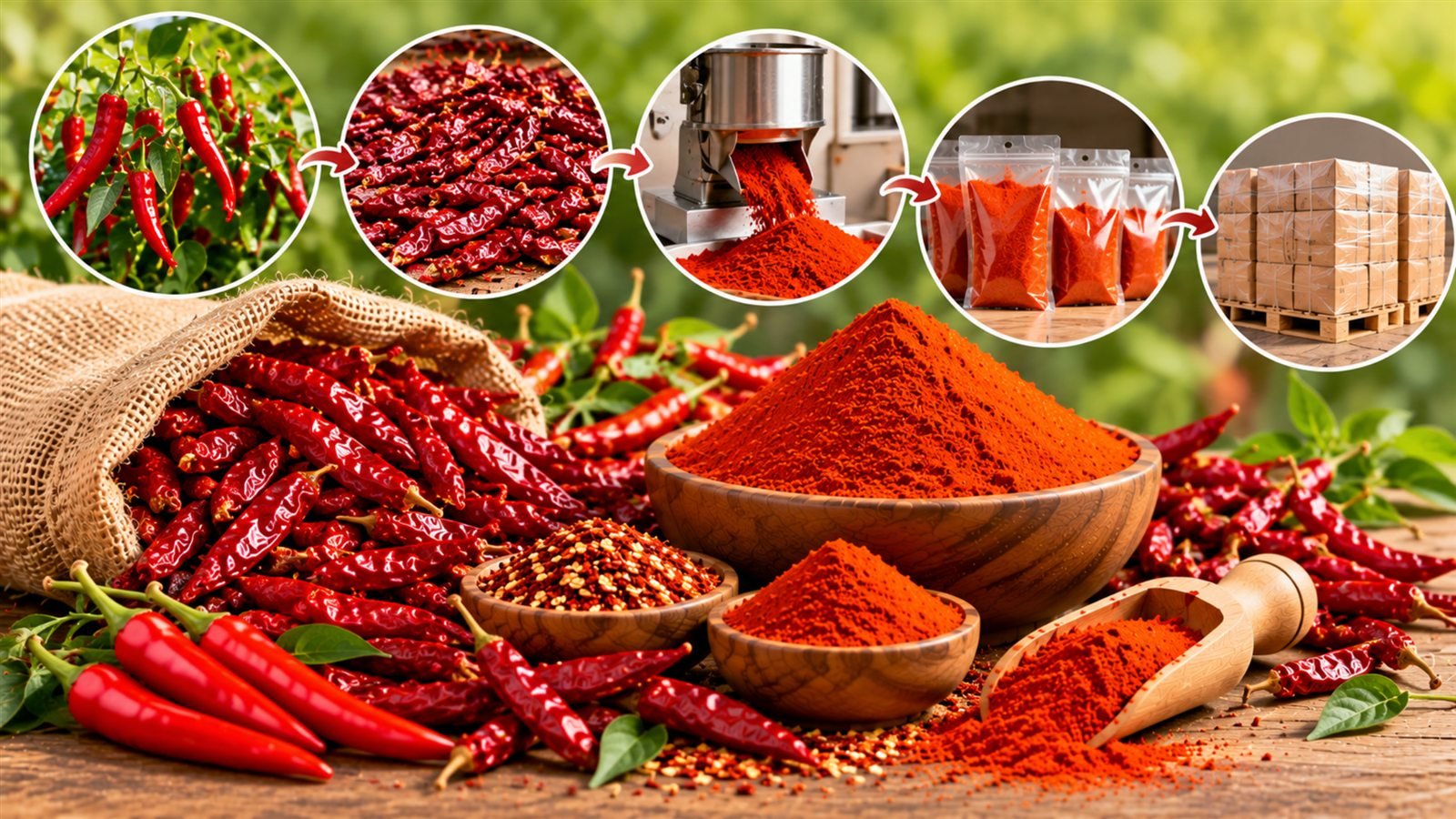
Sambal is not forgiving. If the colour is off, customers may notice before the first spoonful, which is why many Malaysian buyers pay close attention to ASTA readings. When choosing a Red Chilli Powder Exporter to Malaysia, a clear specification can be just as important as the price. Prism Exports can help buyers discuss colour and other product requirements before placing an order.
Malaysia uses chilli in curry powder, sambal and chilli paste, instant noodle seasoning, foodservice, and retail products. Indian chilli powder is one sourcing option, though product quality and documentation can vary between suppliers. Prism Exports can help you review grades, quality checks, and paperwork for your requirements.
Where Indian Chilli Powder Ends Up in Malaysia
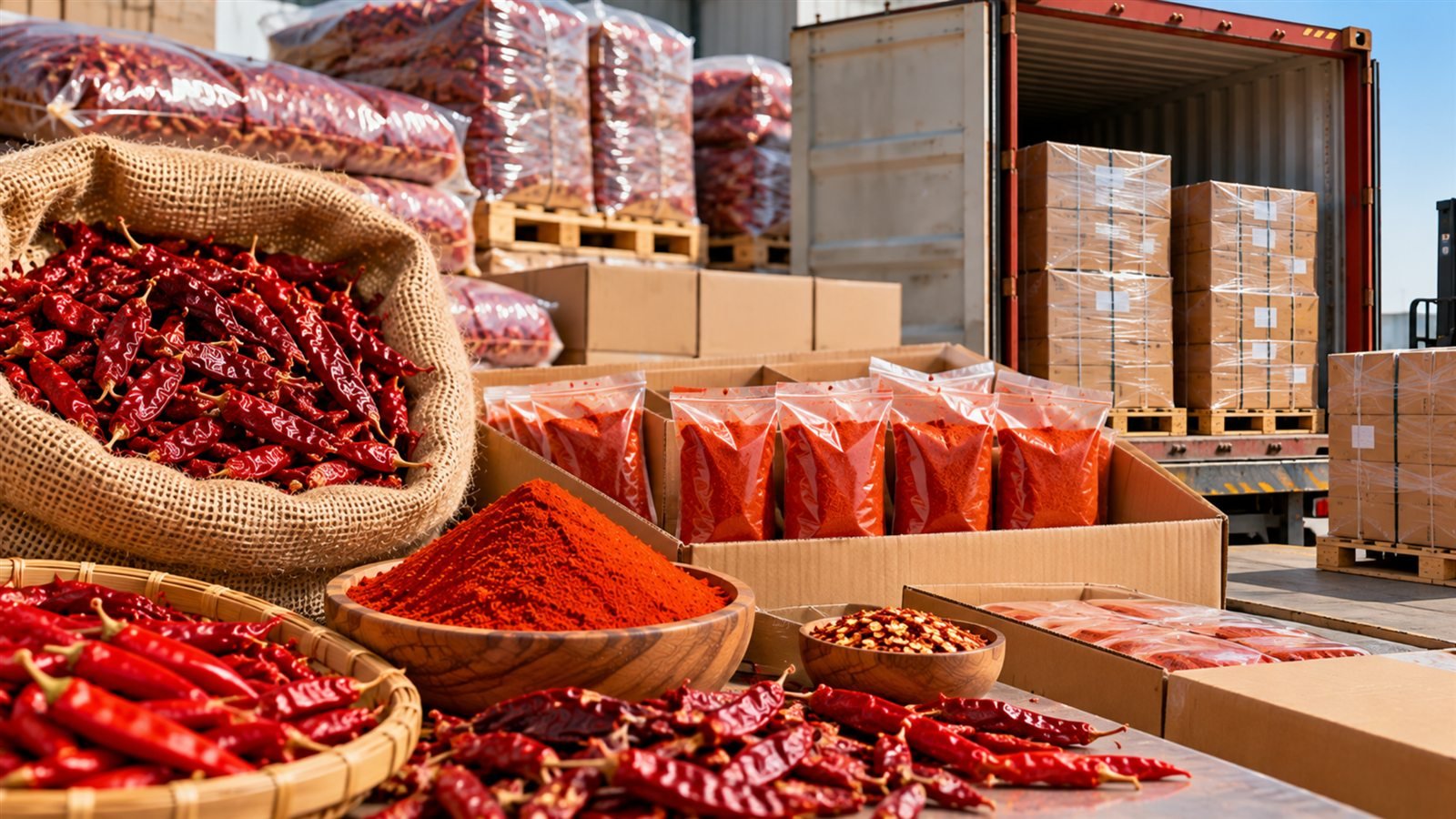
Three channels take most of the volume. Curry powder and spice blenders want consistency above all, since their product is judged on being identical batch after batch. Sambal and sauce manufacturers want colour, because their product is judged visually. Repackers and wholesale traders sit somewhere between, buying to a price band and a colour expectation set by the market.
Knowing your channel decides your variety. A blender chasing heat and a sauce plant chasing red will not be happy with the same shipment, and an Indian Chilli Powder Supplier can only optimise for one of those at a time.
Grades, Colour and the Sambal Question
Indian chilli varies enormously by variety, and pretending otherwise is how buyers end up with dull, disappointing lots.
Colour Versus Heat
Byadgi and Kashmiri-type chillies give deep red colour with mild pungency, which is why sambal and chilli paste producers ask for them. Teja brings heat and is blended in rather than used alone. Sannam is the workhorse: reasonable colour, moderate heat, dependable supply.
| Spec point | Common Malaysian ask | Why it matters |
| ASTA colour | 80–150 | Sambal and paste appearance |
| Pungency | 20,000–90,000 SHU | Blend heat and dosing |
| Moisture | 9–10% max | Tropical humidity and caking |
| Mesh | 60–80 mesh | Paste texture and dispersion |
| Total ash | 7% max | Grit and adulteration check |
Ask About Blends, Not Just Varieties
Many exporters supply blended lots to hit a target colour and heat at a workable price. That’s legitimate and often sensible, but you should know it’s happening. Ask what proportion of what variety, and ask whether the blend ratio stays fixed across the contract. A Red Chilli Powder Supplier India will usually be straightforward about this if you ask directly.
Import Controls a Red Chilli Powder Exporter to Malaysia Must Handle
Food imports are governed under Malaysia’s food safety legislation and administered by the Ministry of Health, with declarations made electronically before arrival.
Declarations and Inspection Levels
Consignments are risk-classified. A product with a clean compliance record moves quickly; one with a history of failures can be held for sampling and laboratory testing before release, which ties up cash and warehouse planning. Your supplier’s track record becomes your problem the moment goods land, so ask about it before the first order rather than after.
Labelling Requirements
Labels for retail-ready packs generally need Bahasa Malaysia, covering product name, net weight, ingredients, country of origin, and the name and address of the local importer or distributor. Bulk bags need clear lot identification, production and expiry dates, and net weight matching the packing list exactly.
Halal Certification: Get It Right at Origin
For most Malaysian buyers, halal status is not optional in practice. Manufacturers holding local halal certification need their inputs documented, and retail products aimed at Muslim consumers effectively require it.
The important detail is recognition. A halal certificate is only useful if issued by a certification body recognised by the Malaysian authority, so confirm which body your Red Chilli Powder Exporter from India uses before production, not after. Retro-fitting halal documentation to a finished lot is difficult and sometimes impossible.
Testing and Quality Documents
Ask for lot-specific reports from an accredited laboratory, issued on the actual export lot:
- Aflatoxin B1 and total aflatoxin
- Pesticide residue screen, including ethylene oxide status
- Microbiology: total plate count, yeast and mould, Salmonella, E. coli
- Sudan dye and synthetic colourant screening
- Moisture, ASTA colour, total ash and acid-insoluble ash
Alongside those, expect the commercial invoice and packing list, bill of lading, certificate of origin, phytosanitary certificate, Spices Board registration proof, FSSAI licence details and the halal certificate. Ask your Red Chilli Powder Supplier India side for drafts before shipment, so mismatches get fixed while they’re still cheap.
Packing, Ports and Transit
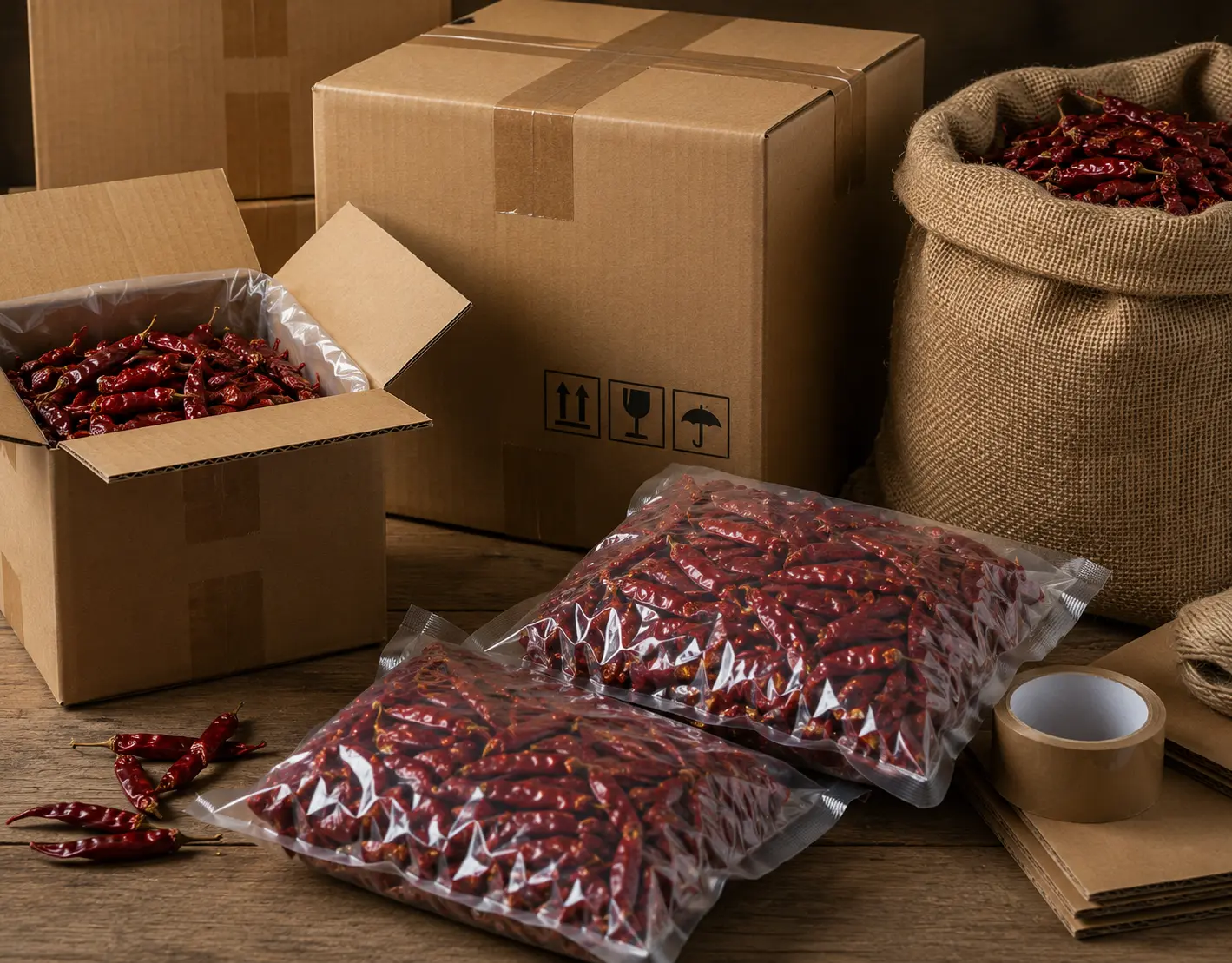
Standard bulk packing is 20 kg or 25 kg multi-wall paper bags with a food-grade liner. Given the humidity, ask any Indian Chilli Powder Supplier for heat-sealed liners rather than folded ones, and think twice before accepting product at the top of the moisture range.
- Sea transit from Chennai, Tuticorin or Nhava Sheva to Port Klang, Penang or Pasir Gudang typically runs 7–14 days.
- A 20 ft container carries roughly 14–18 MT of bagged powder.
- Declared shelf life is commonly 12–18 months, with colour fading before heat does.
- Palletised loading reduces bag damage and speeds up discharge, at the cost of some volume.
Costs, MOQ and Payment Terms
Chilli pricing follows the Indian harvest, which peaks February to May, then tracks cold-storage releases. Indicative FOB levels for standard ground grades run from the mid hundreds to over a thousand USD per MT depending on variety, ASTA colour, sterilisation and packing. Any quoted figure is a snapshot of a moving market.
Trial Orders With a Bulk Red Chilli Powder Supplier
Full-container MOQs are normal, but most exporters accept a 3–5 MT trial, and many will consolidate chilli with turmeric, cumin or coriander to fill a container. Payment usually begins with a letter of credit or partial advance and relaxes as trust builds. A Bulk Red Chilli Powder Supplier that refuses any trial arrangement is telling you something about how they see the relationship.
How to Shortlist a Red Chilli Powder Exporter to Malaysia
Judge on evidence rather than presentation. Ask for a sample from the actual production lot, run your own confirmatory test locally on the first two shipments, and compare against the supplied certificate.
Red Chilli Powder Supplier to Malaysia: Questions That Reveal a Lot
Ask how many Malaysian shipments they completed last year and whether any were held for testing. Ask which halal body certifies them. Ask what their lot-to-lot ASTA variation looks like over twelve months, since averages hide the swings that ruin a sambal recipe. A settled Red Chilli Powder Supplier to Malaysia answers from records; a broker changes the subject.
Frequently Asked Questions
Does chilli powder need halal certification for Malaysia?
A plain single-ingredient spice isn’t inherently non-halal, but most Malaysian buyers and manufacturers require certification for their own documentation and retail acceptance. Make sure the certifying body is one Malaysian authorities recognise. Raise it during enquiry, because arranging certification after production is far harder than arranging it before.
How long does shipping take from India to Malaysia?
Sea transit to Port Klang, Penang or Pasir Gudang is usually 7–14 days. A Red Chilli Powder Exporter from India will need two to three weeks more for production, testing and documentation, plus clearance time. Budget four to six weeks for a first order; repeat orders often run faster.
What ASTA colour suits sambal and chilli paste production?
Most paste and sambal producers work in the 100–150 ASTA range, using Byadgi or Kashmiri-type material for colour with a hotter variety blended in. Ask your Red Chilli Powder Exporter to Malaysia for a minimum ASTA rather than a target, and state the test method so both sides measure the same way.
Can I have my own brand printed in India?
Yes, private-label packing is widely offered, from 100 g pouches to 5 kg cartons. You supply artwork with compliant Bahasa Malaysia text and importer details. Expect plate or cylinder costs on the first run and a minimum print quantity, after which unit costs drop noticeably at volume.
Conclusion
Buying chilli powder for Malaysia comes down to a few checks done carefully. Define the variety, ASTA range, moisture limit, and mesh size in the specification. Confirm halal certification with a recognised body before production begins, and request lot-specific lab reports. Independent checks on the first shipments can help you confirm that the product matches the agreed requirements. A dependable Red Chilli Powder Exporter to Malaysia should be clear about what can be achieved within your target price.
Start with a trial lot, record the results, and scale when the quality data supports it. Prism Exports can help you compare specifications, certification, and shipment options for your product. Discuss your requirements with the Prism Exports team to plan a suitable sourcing approach.
For updates, follow Prism Exports on Instagram.