
Red Chilli Powder Exporter to Nigeria: Buyer’s Guide
Published by Prism Exports
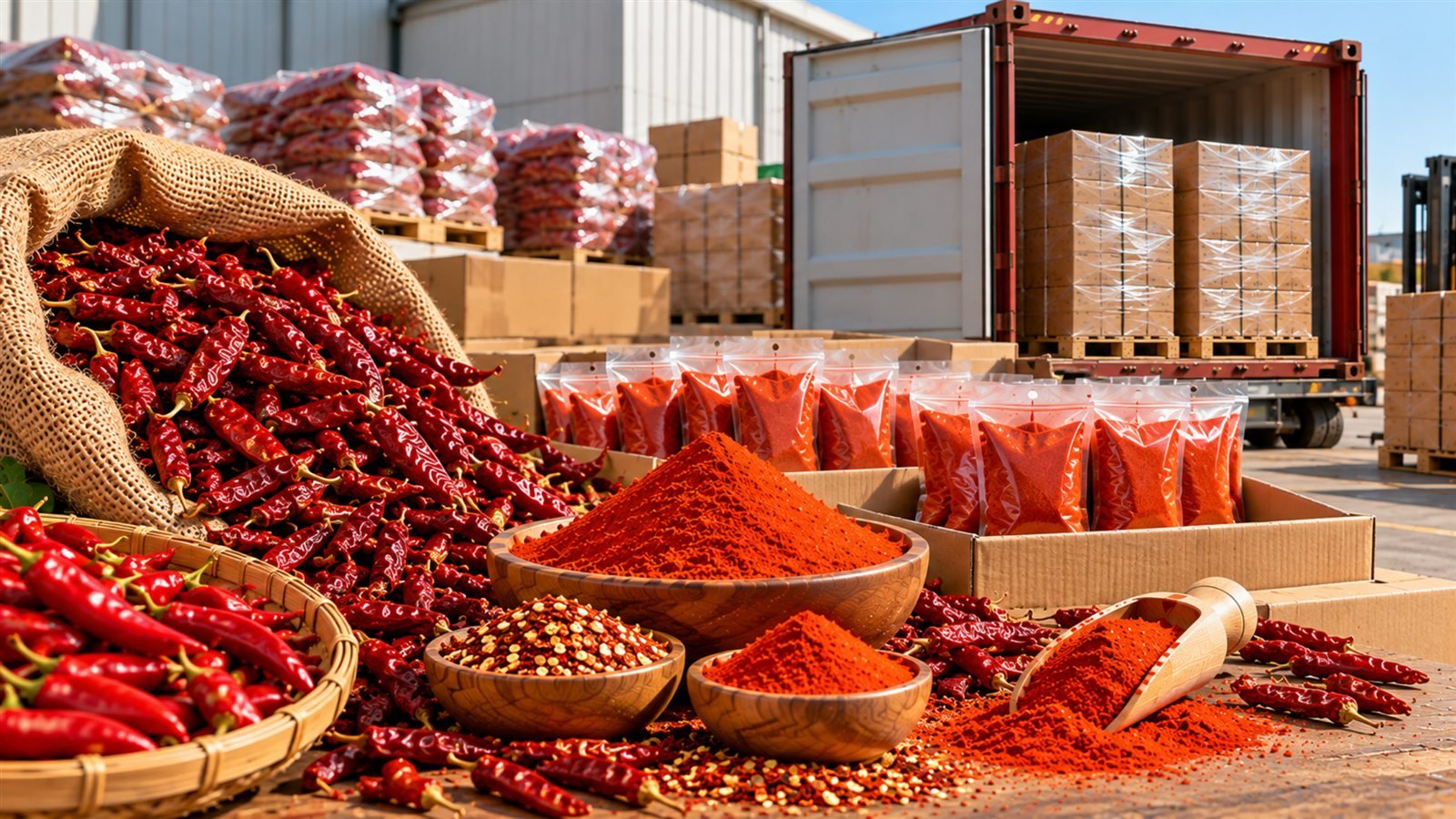
Nigeria grows chilli but still imports it. Local harvests are seasonal, and open-air drying can contribute to variation between lots. For food processors aiming to keep stew bases and seasoning blends consistent throughout the year, reliable supply matters. Choosing a Red Chilli Powder Exporter to Nigeria can help buyers plan for that consistency. Prism Exports can help you discuss product specifications and sourcing needs.
Importing into Nigeria also involves procedural steps, and missing documentation can delay a shipment at Apapa and add costs. This guide explains the requirements buyers should plan for. Prism Exports can help you review the product and export details for your order.
Who’s Buying, and Why Local Supply Isn’t Enough
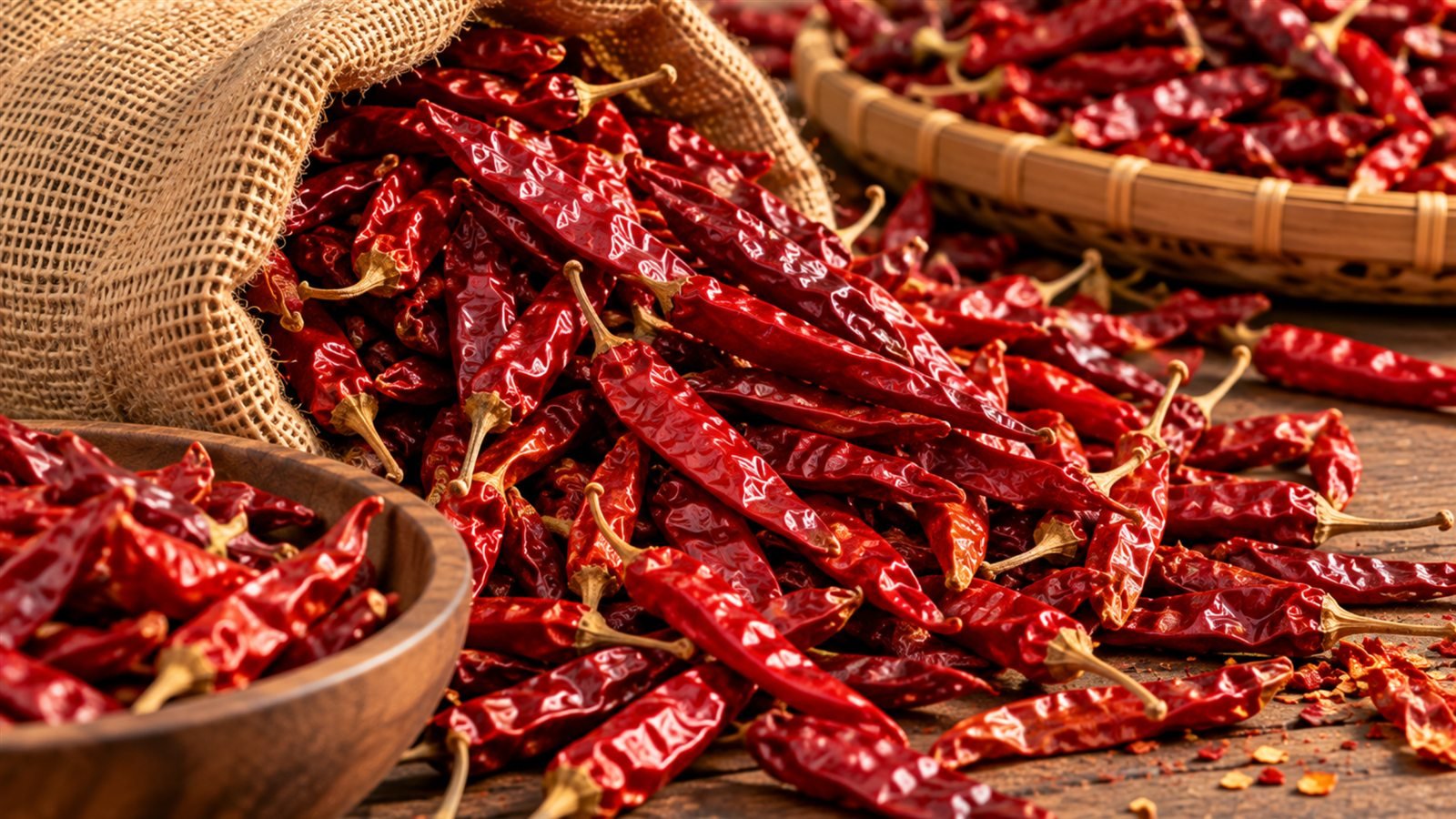
Seasoning manufacturers take the largest volumes, feeding sachet products, stew bases and suya-style blends. Below them sit repackers filling small consumer sachets for open markets, and foodservice suppliers serving hotels and catering. All three need year-round availability at a predictable spec, which local supply struggles to deliver in the off-season.
Price sensitivity is real. The market moves on thin margins, so the pull towards the cheapest offer is strong. It’s also how importers end up with high-ash, low-colour material their customers quietly stop buying, which is worth remembering when a Red Chilli Powder Supplier India quotes well below everyone else.
Grade and Heat: What Nigerian Buyers Want
Nigerian palates lean towards heat, but colour still sells at the point of purchase.
Colour, Heat and Grind
Teja and similar hot varieties suit blends where pungency leads. Sannam gives dependable mid-range colour and heat at sensible prices, which is why it moves the most tonnage. Byadgi and Kashmiri-type material suits products where rich red appearance matters more than burn. Grind matters too: coarse suits visible seasoning, finer disperses better in cooked bases.
| Spec point | Typical ask | Why it matters |
| ASTA colour | 60–120 | Shelf appeal in sachets and open market |
| Pungency | 40,000–100,000 SHU | Heat-led blends and stew bases |
| Moisture | 9–10% max | Humidity and long warehouse storage |
| Mesh | 40–60 mesh | Standard for repacking and blending |
| Total ash | 7–8% max | Grit and adulteration control |
Whole Chilli or Ground?
Some buyers import whole dried chilli and grind locally, which extends shelf life and gives control over grind size. Others prefer ground because it saves processing cost. Whole product travels better in heat; ground loses colour faster. Ask a Red Chilli Powder Supplier India to price both so you can compare properly.
NAFDAC Rules a Red Chilli Powder Exporter to Nigeria Must Follow
Processed and packaged food products imported into Nigeria fall under NAFDAC oversight, and registration is the step that catches new importers out.
Registration, Form M and Clearance Documents
Product registration with NAFDAC sits with the Nigerian importer, not the exporter, and it takes time. Alongside it you’ll open a Form M through your bank, obtain pre-shipment documentation, and secure clearance paperwork before goods arrive. Every description, quantity and HS code must match across the set. A Red Chilli Powder Exporter from India that has shipped here before sends drafts early without prompting.
Labelling and Shelf Life on Arrival
Retail packs need English labelling with product name, net weight, ingredients, origin, batch code, production and expiry dates, and importer details. Bulk bags need clear lot marking. Authorities expect meaningful shelf life remaining on arrival, so pushing older stock through is a poor idea. Tell your Red Chilli Powder Exporter from India the label format you need at enquiry stage.
Export Quality Red Chilli Powder: Tests Worth Insisting On
Verify at origin. Any Indian Chilli Powder Supplier can run these before loading, and testing after clearance leaves you with few options and a full warehouse.
- Aflatoxin B1 and total aflatoxin on the export lot
- Pesticide residue screen, including ethylene oxide status
- Microbiology: total plate count, yeast and mould, Salmonella, E. coli
- Sudan dye and added colourant screening
- Moisture, ASTA colour, total ash and acid-insoluble ash
Insist on the full lab report rather than a summary line, and ask for a sealed retention sample. Genuine Export Quality Red Chilli Powder comes with paperwork you can hand to a customer or an inspector unedited.
Packing for Heat, Humidity and Long Storage
Warehousing in Lagos or Kano is rarely climate-controlled, and stock often sits longer than planned. Packing has to account for that.
Standard bulk packing is 20 kg or 25 kg multi-wall paper bags with a food-grade liner. Ask your Indian Chilli Powder Supplier for heat-sealed liners, and specify moisture at the lower end of the range. If you’re repacking into sachets locally, liner quality matters more than outer bag print.
- A 20 ft container holds roughly 14–18 MT of bagged powder.
- Declared shelf life is usually 12–18 months, with colour fading before heat.
- Palletised loads discharge faster and tear less, but cost some cubic capacity.
Ports, Transit and Clearance
Sea transit from Nhava Sheva, Mundra or Chennai to Lagos, Onne or Port Harcourt commonly runs 25–40 days depending on transhipment. Congestion at Lagos terminals adds to that, and demurrage mounts quickly, so build slack in rather than assuming best-case clearance.
Two habits help. Book with documentation already finalised, and appoint a clearing agent who knows food consignments specifically. Your supplier controls what happens up to the vessel; everything after that is your side of the arrangement.
Pricing, Payment and Forex
Chilli prices move with the Indian harvest, which peaks between February and May, and then with cold-storage releases. Indicative FOB levels for standard ground grades sit anywhere from the mid hundreds to over a thousand USD per MT depending on variety, ASTA colour, sterilisation and packing.
Foreign exchange access has been a live issue for Nigerian importers, and it shapes terms. Many suppliers ask for a confirmed letter of credit or partial advance early on, softening once a payment history exists. Settle the payment mechanism before the last few dollars per tonne, since settlement delays cost more than the discount.
Choosing a Red Chilli Powder Exporter to Nigeria
Look for a Red Chilli Powder Supplier to Nigeria who has actually shipped here, not one willing to try. The difference shows in how they answer questions about documentation.
Red Chilli Powder Supplier to Nigeria: What to Verify
Ask for redacted copies of past document sets for Nigerian consignments. Ask what their lot-to-lot ASTA variation looks like over a year. Ask whether they hold cold storage, since that determines whether they can supply consistently in the Indian off-season. Then place a 3–5 MT trial before committing to a container, and test it yourself on arrival.
Frequently Asked Questions
Who handles NAFDAC registration, the exporter or the importer?
Registration sits with the Nigerian importer, since it’s tied to the local entity bringing goods in. Your exporter supports it by supplying specifications, lab reports, certificates and sample material. Start the process well before your first commercial shipment, because approval timelines are rarely quick and cannot be shortcut at the port.
How long does shipping from India to Nigeria take?
Sea transit is commonly 25–40 days to Lagos, Onne or Port Harcourt, depending on transhipment. Add two to three weeks for production, testing and documentation at origin, and allow for clearance delays at busy terminals. A realistic first-order timeline is eight to twelve weeks from confirmed order to warehouse.
Should I import whole dried chilli instead of powder?
It depends on whether you can grind locally. Whole chilli holds colour and aroma longer in warm storage and gives you control over grind size, but it needs milling capacity and adds processing cost. Ground powder is ready to use and cheaper to handle, though it ages faster once opened.
What’s a sensible first order size?
Three to five metric tonnes is a common trial quantity, and many exporters will consolidate chilli with other spices to fill a container. It’s enough to test quality, clearance and customer response without tying up serious capital. Ask your Red Chilli Powder Exporter to Nigeria to quote both trial and full-container terms.
Conclusion
Importing chilli powder into Nigeria is about managing three risks: variation between lots, mismatched paperwork, and quality loss during warm storage. A capable Red Chilli Powder Exporter to Nigeria can help address the first two and give clear guidance on suitable storage and handling.
Start with a trial lot, arrange independent testing, and keep records as you assess results across the first few shipments. If you’re comparing suppliers, Prism Exports can help you review specifications, documentation, and shipment details. Talk with the Prism Exports team to plan a sourcing approach for your business.
For updates, follow Prism Exports on Instagram.



