
Turmeric Powder Manufacturing Process: A Complete Guide
Published by Prism Exports
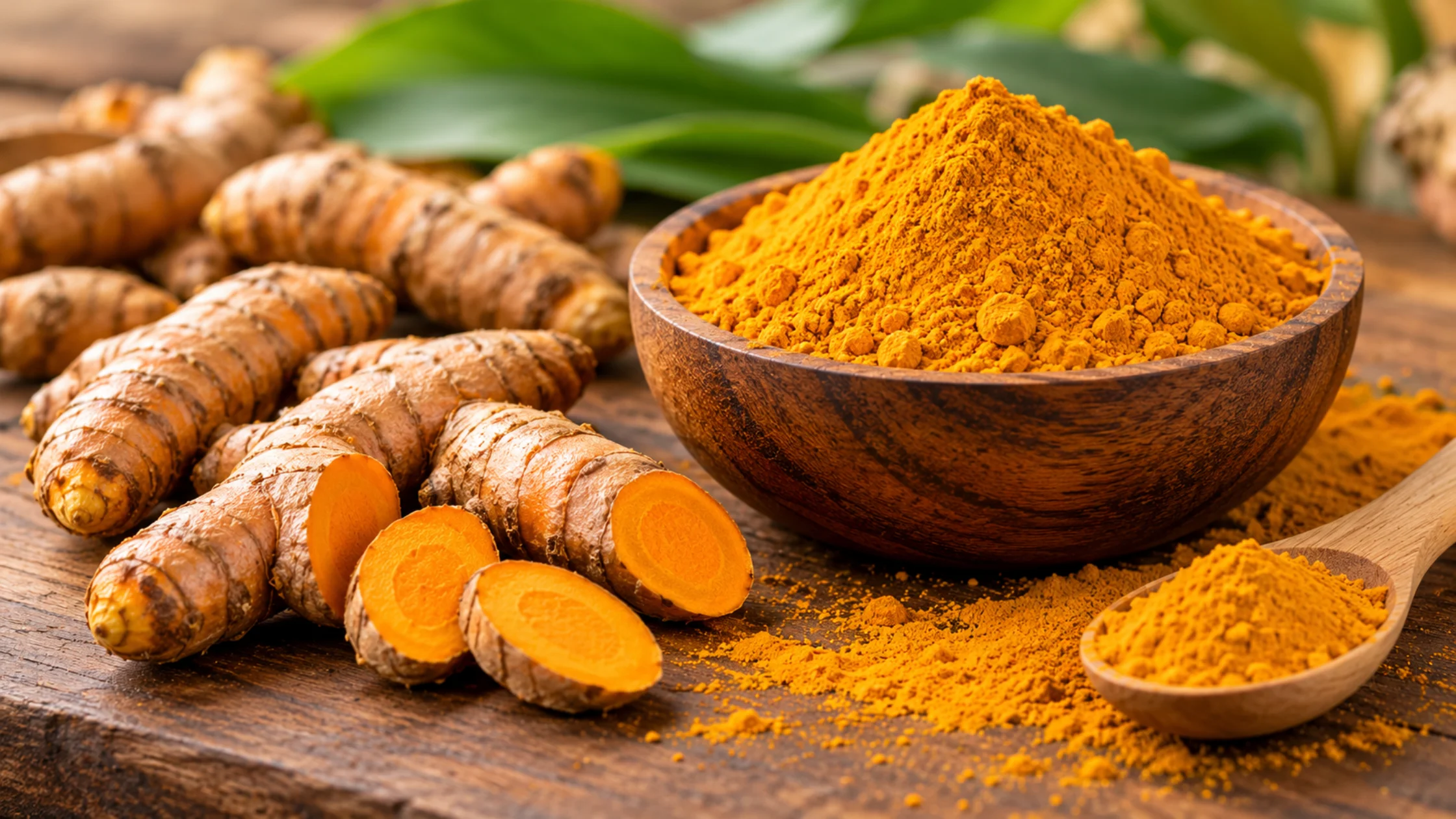
Turmeric is an important spice used in cooking, food processing, seasoning blends, and various traditional preparations. Its golden-yellow colour, distinctive aroma, and earthy flavour make it a valuable ingredient for domestic and international markets. Behind every packet of turmeric powder is a manufacturing process that transforms harvested turmeric rhizomes into a clean, consistent, and finely ground product. A reliable Turmeric Powder Manufacturer focuses on sourcing suitable raw materials, controlling moisture, using appropriate processing methods, and maintaining product quality. For importers, wholesalers, and food manufacturers, understanding these stages helps when selecting a supplier. Prism Exports provides a point of contact for businesses exploring Indian spice sourcing opportunities. Knowing how turmeric powder is produced can help buyers evaluate product specifications and discuss sourcing requirements with suppliers such as Prism Exports.
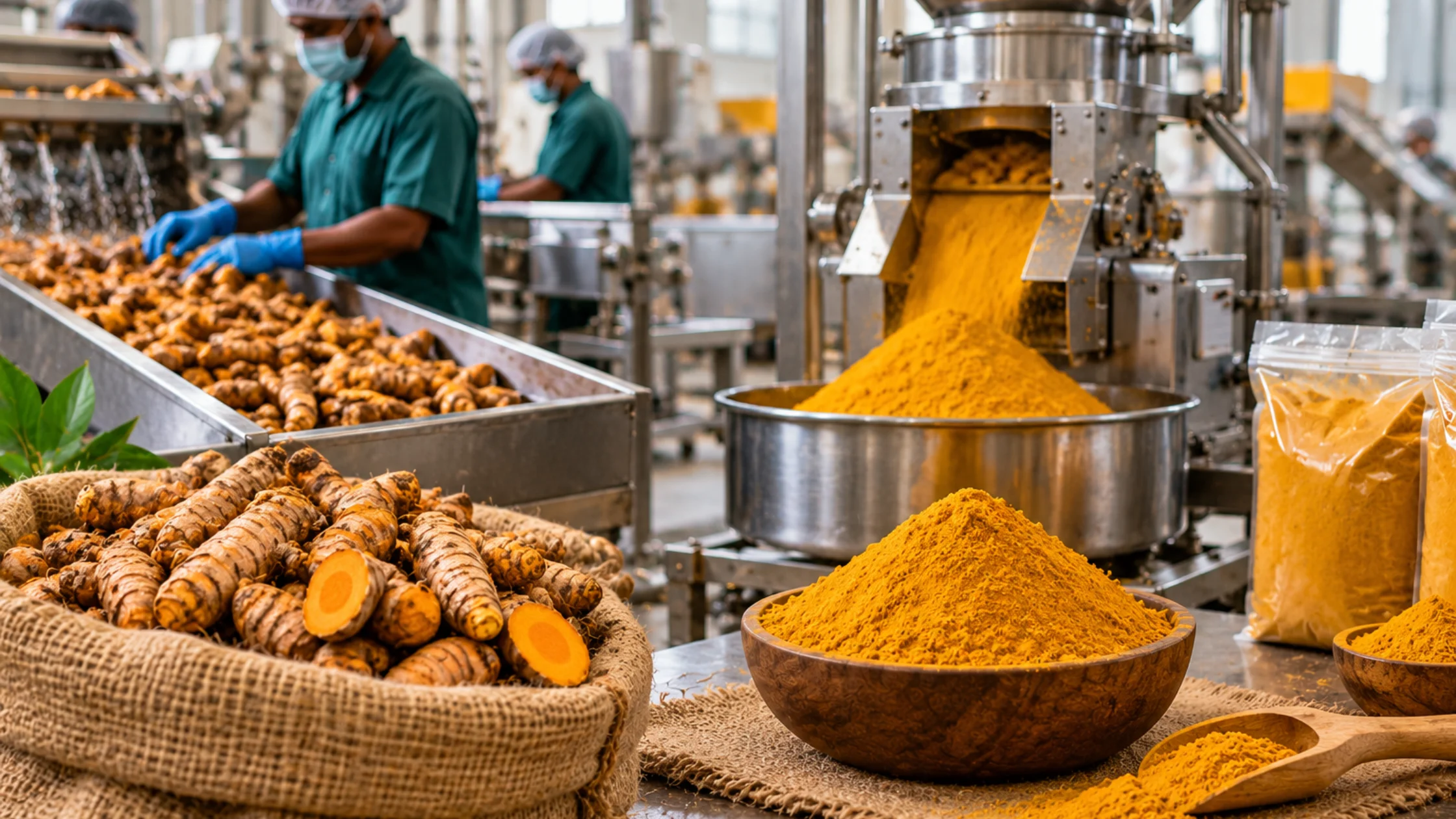
1. Raw Turmeric Selection: The First Step in Manufacturing
The quality of turmeric powder begins with the selection of raw turmeric. The variety, growing conditions, harvesting practices, and post-harvest handling can influence the characteristics of the final product.
Selecting Suitable Turmeric Rhizomes
Turmeric grows underground as a rhizome. After harvesting, the rhizomes are assessed for maturity, physical condition, cleanliness, and suitability for processing.
Manufacturers may consider the following factors:
- Variety and sourcing region.
- Colour and natural aroma.
- Maturity and physical condition.
- Presence of damaged or diseased rhizomes.
- Moisture level and storage history.
Careful selection helps reduce processing problems and supports more consistent output.
Why Raw Material Quality Matters
Poor-quality raw material may contain excessive dirt, damaged pieces, or unwanted contaminants. These issues can affect processing efficiency and the final product.
A manufacturer should establish appropriate sourcing and inspection procedures before accepting turmeric for production.
2. Cleaning and Washing the Turmeric
Freshly harvested turmeric may contain soil, stones, roots, and other foreign material. Cleaning is therefore an essential step before further processing.
Removing Dirt and Foreign Matter
Depending on the production setup, manufacturers may use sieves, sorting equipment, washing systems, or manual inspection to remove unwanted materials.
When washing is used, the process should be managed carefully to avoid introducing contamination or creating moisture-related storage problems.
Preparing Turmeric for the Next Stage
After cleaning, the rhizomes are prepared for subsequent processing. This may include draining, sorting, and cutting into smaller pieces where appropriate.
The specific method depends on the raw material, equipment, and manufacturer's production procedures.
3. Boiling or Curing: Preparing Turmeric Rhizomes
Some turmeric processing methods include boiling or curing the rhizomes before drying. This stage can influence colour development, texture, and the characteristics of the final powder.
Why Curing Is Used
Curing generally involves heating the cleaned rhizomes under controlled conditions. The method and duration vary according to the variety and processing practice.
Proper curing can help prepare the rhizomes for drying and later grinding. However, excessive or unsuitable heating may affect the product's desired characteristics.
Different Processing Approaches
Not every producer uses an identical process. Some processing methods differ according to regional practices, equipment, product specifications, and market requirements.
Buyers should ask suppliers how their turmeric is processed when specific colour, aroma, or other quality parameters are important.
4. Drying: Controlling Moisture for Better Quality
Drying is one of the most important stages in turmeric powder manufacturing. Excess moisture can affect storage stability, while unsuitable drying conditions may influence colour and aroma.
Traditional and Mechanical Drying
Turmeric may be dried using sunlight or mechanical drying systems, depending on the producer's facilities and processing approach.
Mechanical drying can offer greater control over temperature and drying conditions. Traditional drying practices depend more heavily on environmental conditions and require suitable protection from contamination.
Why Moisture Control Matters
Drying aims to reduce moisture to a level appropriate for safe storage and further processing. The target depends on the product specification and applicable quality requirements.
Manufacturers should monitor drying conditions and verify moisture levels where required. Properly dried turmeric is easier to store and process than material containing excessive moisture.
5. Polishing, Sorting, and Grinding
Once dried, turmeric may undergo additional preparation before it becomes powder. The exact sequence depends on the manufacturing process and the desired product grade.
Polishing and Final Sorting
Some producers polish dried turmeric to improve its surface appearance. Sorting helps remove unsuitable pieces and remaining foreign matter before grinding.
The manufacturer should ensure that these operations do not introduce unwanted substances or compromise product quality.
Grinding Turmeric into Fine Powder
Grinding machines reduce dried turmeric rhizomes into smaller particles. The equipment and operating conditions influence the powder's texture, particle size, and temperature during processing.
A Turmeric Powder Manufacturer may use suitable grinding and sieving equipment to achieve the required fineness.
After grinding, sieving can separate particles according to size. If the powder does not meet the agreed specification, additional processing may be required.
6. Quality Control and Testing in Turmeric Manufacturing
Quality control helps ensure that turmeric powder meets the agreed specifications and relevant food-safety requirements. Checks may take place during raw material inspection, processing, and final product assessment.
Colour, Curcumin, and Aroma
Turmeric powder is often evaluated for its natural colour, aroma, and flavour. Some buyers also specify a particular curcumin concentration, depending on the intended application.
Curcumin is a naturally occurring compound in turmeric, but its concentration can vary between varieties and batches. Where a specific level is required, suitable laboratory testing can help verify compliance.
Food Safety and Contaminant Checks
Depending on the product and destination market, quality testing may include:
- Moisture content and foreign-matter assessment.
- Microbiological testing where required.
- Pesticide residue analysis where applicable.
- Heavy-metal testing where relevant.
- Product identity and agreed quality parameters.
Testing should reflect the applicable regulations and buyer specifications. Suppliers should provide relevant reports when these are required for the transaction.
7. Packaging and Storage of Turmeric Powder
After the final quality checks, turmeric powder is packed and prepared for storage or shipment. Appropriate packaging helps preserve product quality during handling and transportation.
Choosing the Right Packaging
Packaging options depend on the buyer's requirements and the intended market. Options can range from food-safe pouches and sealed liners to multilayer bags and bulk-size packs.
Important considerations include:
- Protection against moisture and contamination.
- Suitable packaging material for food contact.
- Net weight and labelling accuracy.
- Batch identification and traceability.
- Packaging strength for transportation.
Storage Conditions
Turmeric powder should generally be stored in a clean, dry environment, protected from direct sunlight, moisture, pests, and strong external odours.
Suitable storage practices help maintain the powder's colour, aroma, and overall quality during its intended shelf life.
8. Choosing the Right Turmeric Supplier for Your Business
Businesses purchasing turmeric commercially should evaluate more than the product's appearance or quoted price. Quality specifications, production methods, documentation, and supply reliability are all important.
Manufacturer vs. Turmeric Powder Supplier
A manufacturer processes turmeric into powder, while a supplier may manufacture the product directly or source it from other producers.
| Comparison Factor | Turmeric Powder Manufacturer | Turmeric Powder Supplier |
| Main role | Processes turmeric into powder | Supplies turmeric powder to buyers |
| Production control | Depends on its facilities and processes | Depends on its sourcing and quality controls |
| Product specifications | May manage grinding and processing parameters | Coordinates available or customised specifications |
| Order fulfilment | Depends on production capacity | Depends on stock and supplier network |
| Best suited for | Buyers seeking processing information or manufacturing arrangements | Buyers seeking product sourcing and supply options |
Some businesses perform both roles. Confirm which activities are handled directly before entering an agreement.
Questions to Ask Before Ordering
When evaluating Indian turmeric powder suppliers, ask about:
- Available grades and product specifications.
- Sample approval and batch consistency.
- Minimum order quantity and lead time.
- Relevant quality reports and certifications.
- Packaging options and export documentation.
- Pricing, payment terms, and delivery arrangements.
An Organic turmeric powder manufacturer should also be able to provide suitable evidence for organic claims and confirm that the product meets the relevant certification and destination-market requirements. Buyers should verify these claims independently where necessary.
9. Bulk Turmeric Powder Export and Wholesale Supply
Bulk turmeric powder is used by food manufacturers, spice blenders, distributors, and wholesalers. Larger orders require careful coordination of product specifications, packaging, and delivery schedules.
What Bulk Buyers Should Consider
A Bulk turmeric powder exporter may coordinate sourcing, packaging, documentation, and shipment arrangements, depending on its services.
Before confirming an order, establish the required quantity, grade, moisture specification, packaging format, and destination. Also confirm any testing or documentation requirements that apply to the shipment.
Building a Reliable Supply Relationship
A Wholesale Turmeric Supplier should communicate product availability, commercial terms, and expected delivery timelines clearly.
For repeat purchases, buyers can agree on written specifications and sample-approval procedures. These steps help reduce discrepancies between batches and make procurement planning more predictable.
Prism Exports welcomes enquiries from businesses exploring Indian spice sourcing. Buyers should confirm the company's current product availability, specifications, and export capabilities directly before placing an order.
10. Frequently Asked Questions
1. How is turmeric powder manufactured?
Turmeric powder is generally produced by selecting and cleaning turmeric rhizomes, applying curing where appropriate, drying, sorting, grinding, sieving, quality checking, and packaging.
2. Why is drying important in turmeric powder production?
Drying reduces moisture to a suitable level for processing and storage. Proper moisture control helps protect product quality and reduces the risk of deterioration.
3. How can I identify a reliable Turmeric Powder Manufacturer?
Review the manufacturer's product specifications, processing methods, quality-control procedures, relevant laboratory reports, packaging options, and ability to meet your order requirements.
4. What quality parameters should turmeric powder meet?
Depending on the intended use, important parameters may include colour, aroma, moisture, particle size, purity, curcumin content where specified, and applicable food-safety limits.
5. Can I source turmeric powder in bulk for export?
Yes. Businesses can enquire about bulk sourcing through suitable manufacturers, suppliers, and exporters. Confirm minimum quantities, product specifications, packaging, documentation, and shipping arrangements before placing an order.
Conclusion: Find the Right Turmeric Powder Sourcing Partner
Producing turmeric powder involves several considered steps: choosing suitable roots, removing impurities, drying them correctly, milling to the required texture, and checking the finished batch. These stages help determine the powder’s uniformity and intended use.
For importers, wholesalers, and food manufacturers, understanding this process makes it easier to evaluate suppliers and communicate clear purchasing requirements. Prism Exports welcomes enquiries from businesses exploring Indian spice sourcing and export opportunities. Contact Prism Exports to discuss your turmeric powder requirements, request available product information, and enquire about potential bulk-order options. Confirm current availability, specifications, quality documentation, pricing, and shipping arrangements before placing your order.
Follow us on Instagram for product updates and business information: https://www.instagram.com/prismexports/
Choose your turmeric sourcing partner carefully and build a supply relationship that supports your business's quality and procurement goals.



