
What Factors Matter Most When Selecting a Coffee Exporter from India?
Published by Prism Exports
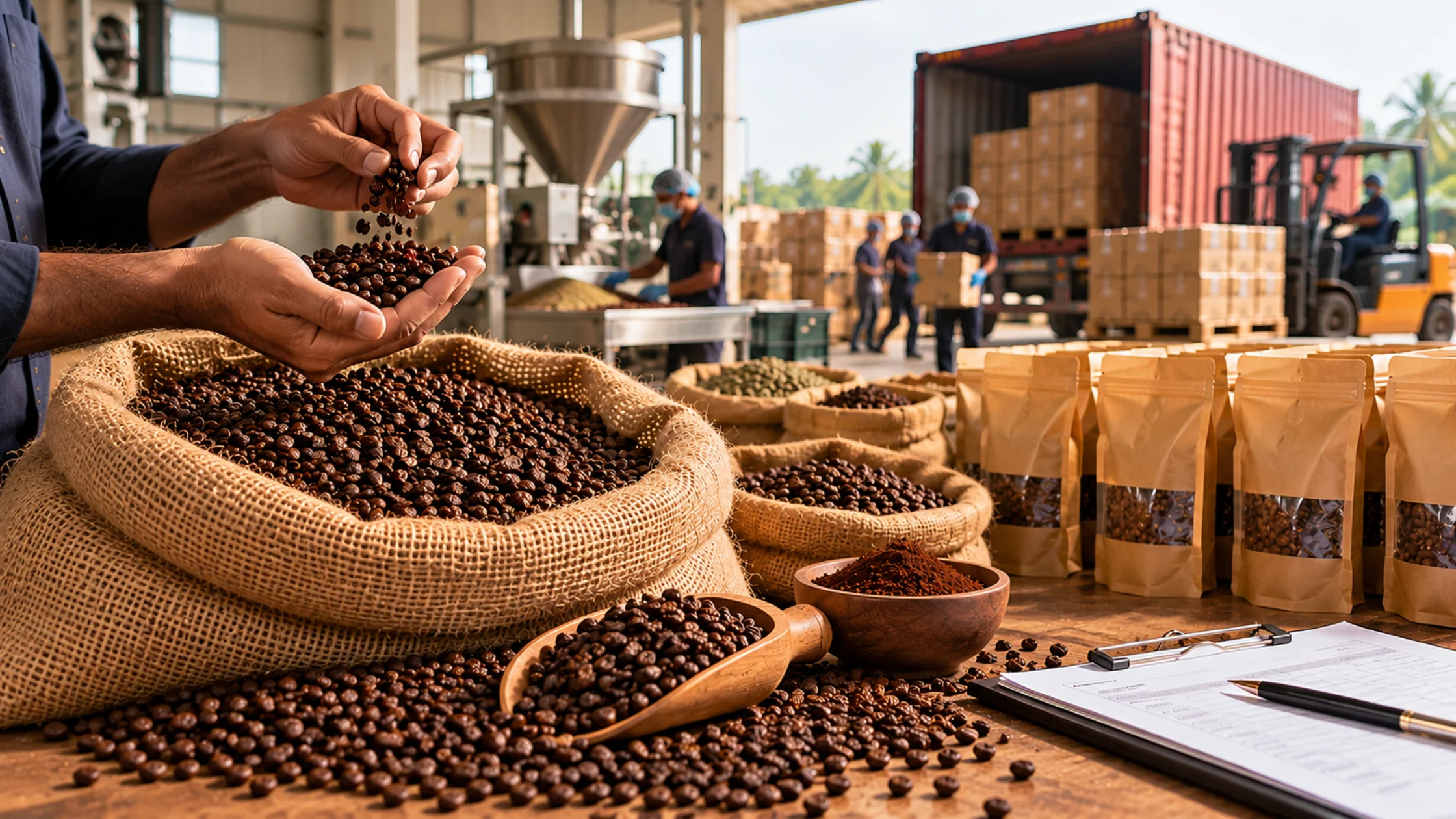
Coffee is one of the world's most popular beverages, enjoyed in homes, cafés, restaurants, and workplaces. For international buyers, sourcing coffee involves more than finding beans at a competitive price. Quality, origin, processing methods, packaging, and delivery reliability all influence the final product. A reliable Coffee Exporter from India can support importers, roasters, distributors, and retailers in planning steady supply and serving their customers. India produces coffee in diverse growing regions, offering beans with different flavour profiles and characteristics. Prism Exports provides a resource for businesses researching agricultural products and spices sourced from India. By understanding the factors that matter most when evaluating exporters, buyers can make informed sourcing decisions and assess potential partners, including Prism Exports, according to their business requirements.
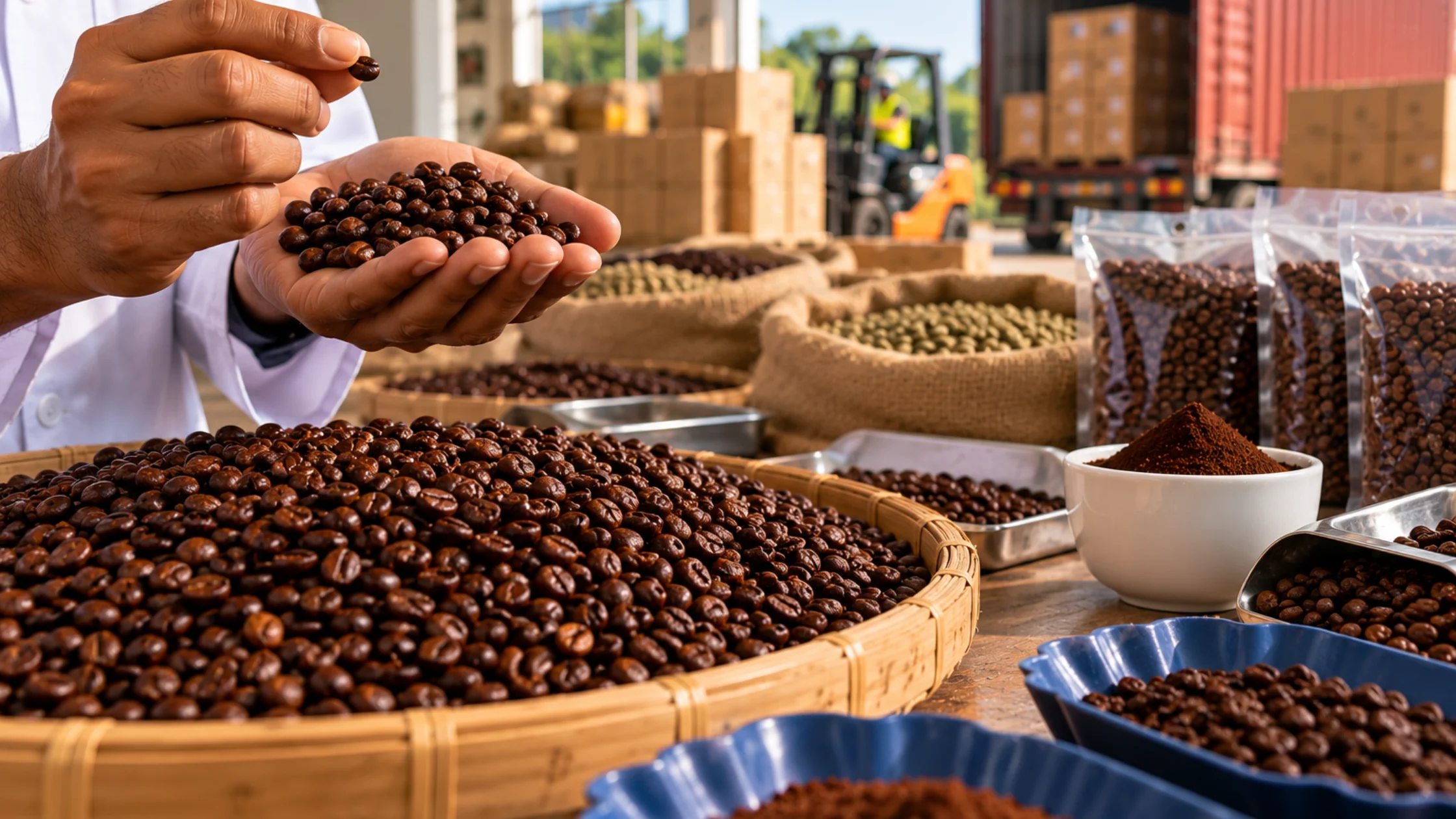
1. Why Is India an Important Coffee-Sourcing Destination?
India has an established coffee-growing industry, with production concentrated in states such as Karnataka, Kerala, and Tamil Nadu. Coffee is cultivated in different landscapes and under varying growing conditions, contributing to diversity in flavour and bean characteristics.
Arabica and Robusta Coffee
Two major commercial coffee varieties are Arabica and Robusta.
- Arabica: Often associated with a more complex aroma and flavour, making it popular among specialty coffee roasters.
- Robusta: Generally known for its stronger, more pronounced flavour and higher caffeine content, making it suitable for espresso blends and instant coffee applications.
The final flavour depends on factors such as origin, variety, harvesting, processing, storage, and roasting.
Opportunities for International Buyers
Indian coffee can serve several business segments, including specialty roasters, commercial coffee brands, hospitality suppliers, and beverage manufacturers. Buyers should identify the variety and grade that best match their target market and product requirements.
2. Review Coffee Bean Quality Before You Order
Quality is one of the most important considerations when selecting a coffee exporter. Differences in bean condition and processing can affect flavour, consistency, and the performance of coffee during roasting.
Bean Grade and Physical Condition
Ask the exporter about bean size, grade, moisture content, defect levels, and the applicable grading standards. The relevant parameters will depend on the type of coffee and the buyer's intended use.
Inspecting a representative sample can help identify defects, uneven sizing, foreign matter, or other issues before committing to a large shipment.
Aroma, Flavour, and Cup Quality
For roasted coffee businesses, sensory evaluation is an important part of supplier selection. Buyers may request samples for roasting and cupping to assess aroma, acidity, body, bitterness, and aftertaste.
Green coffee buyers should establish a sample-approval process that allows the delivered batch to be compared with the agreed specifications.
3. Check the Coffee's Origin and Processing Method
The coffee's origin and processing method can influence flavour, aroma, and consistency. Reliable exporters should provide clear information about the products they offer.
Understanding Coffee-Growing Regions
Coffee from different Indian regions may have distinct characteristics because of variations in altitude, climate, soil, and cultivation practices. However, origin alone does not guarantee a particular flavour profile.
Ask for accurate origin details and, where relevant, information about the estate, farm, cooperative, or sourcing region.
Washed, Natural, and Other Processing Methods
Coffee may be processed using washed, natural, or other methods, depending on the producer and product.
- Washed processing: The fruit is removed before drying the beans, using a controlled process that often produces a cleaner flavour profile.
- Natural processing: The coffee cherries are dried with the fruit surrounding the beans, which can contribute fruitier flavour characteristics.
- Other processing methods: These may be used to achieve specific flavour profiles or suit local production practices.
Buyers should confirm the processing method and evaluate samples rather than relying on general descriptions.
4. Assess the Exporter's Experience and Business Credentials
A professional exporter should understand the commercial and logistical requirements of international coffee shipments. However, experience and capabilities should be verified rather than assumed.
Verify Business Information
Review the company's legal details, relevant registrations, export credentials, contact information, and experience with the product you intend to purchase.
If certifications are important, request copies and verify their validity and scope. Organic, sustainability, or food-safety claims should be supported by appropriate documentation.
Ask About Export Capabilities
Before choosing a best coffee bean supplier, confirm whether the business can manage the activities you require, such as product sourcing, quality checks, packaging, documentation, and shipment coordination.
A supplier may handle some of these activities directly and use external partners for others. Understanding these arrangements helps buyers set realistic expectations.
5. Coffee Supplier vs. Coffee Exporter: What Is the Difference?
A coffee supplier and a coffee exporter may provide similar products, but their primary roles and services can differ.
| Comparison Factor | Coffee Supplier | Coffee Exporter |
| Main customer base | Domestic or international buyers, depending on the business | Primarily buyers involved in international trade |
| Product sourcing | Depends on the supplier's network | May coordinate sourcing for export orders |
| Documentation | Depends on the transaction | Typically coordinates export-related documentation |
| Logistics | Domestic delivery or other agreed arrangements | May coordinate international freight and customs processes |
| Order quantities | Small or bulk orders, depending on capacity | Often handles planned commercial export orders |
| Best suited for | Buyers seeking coffee products and supply options | Importers seeking cross-border sourcing and shipment support |
Some businesses operate as both suppliers and exporters. Buyers should confirm the actual services, available products, and export capabilities of each company.
6. Packaging, Storage, and Shipping Requirements
Coffee quality can deteriorate if beans are exposed to moisture, excessive heat, oxygen, or strong external odours. Suitable packaging and careful storage are therefore important throughout the supply chain.
Choose Suitable Packaging
Packaging requirements differ for unroasted beans and roasted coffee. Green beans may be shipped in suitable bags or specialised packaging, while roasted coffee often requires packaging designed to protect aroma and freshness.
Discuss the following with the exporter:
- Packaging material and bag weight.
- Protection from moisture and contamination.
- Labelling and batch identification.
- Container loading and handling arrangements.
- Storage recommendations and shelf-life information, where applicable.
Packaging should be appropriate for the coffee type, transportation conditions, and buyer's storage facilities.
Confirm Shipping and Delivery Terms
International coffee shipments may involve freight arrangements, insurance, customs clearance, and delivery schedules.
Before confirming an order, establish the dispatch timeline, shipping method, agreed delivery terms, and responsibilities for costs and risks. Clear written agreements can help reduce delays and disputes.
7. Compare Coffee Prices and Bulk-Order Options
Price matters when purchasing coffee commercially, but the cheapest offer may not deliver the best overall value. Compare offers by looking at bean quality, grade, packing, freight, and any additional charges together.
Factors That Influence Coffee Prices
Coffee prices can vary according to:
- Arabica or Robusta variety.
- Origin, grade, and physical quality.
- Processing method and cup profile.
- Crop availability and market conditions.
- Order volume and packaging requirements.
- Freight costs, destination, and delivery terms.
Ask suppliers to quote against the same product specifications so you can compare offers accurately.
Buying Coffee in Bulk
A Coffee Bean Bulk Supplier in India may suit roasters, wholesalers, distributors, and manufacturers that need commercial quantities. Check the order minimum, current stock, ability to fulfill future orders, and expected turnaround before committing.
For regular purchases, discuss demand forecasts and agree on quality specifications in writing. This can make procurement planning more predictable.
8. Why Quality Control Matters for Long-Term Supply
A reliable sourcing relationship depends on consistent product quality and clear communication. Buyers should establish practical procedures for evaluating samples, reviewing documentation, and checking delivered goods.
Sample Approval and Batch Consistency
Request a representative sample and record the specifications against which the order will be assessed. Depending on the product, these may include origin, variety, grade, moisture, defect levels, and sensory characteristics.
For repeat orders, compare new batches with previously approved samples and documented requirements.
Traceability and Documentation
Ask whether the exporter can provide relevant batch information, origin details, and quality documents. Depending on the product and destination, additional food-safety testing or certifications may be necessary.
These practices can help buyers identify discrepancies and respond to quality issues more efficiently.
9. Frequently Asked Questions
1. How do I choose a reliable Coffee Exporter from India?
Evaluate product quality, origin information, samples, business credentials, documentation, pricing, packaging, and shipping capabilities. Confirm the supplier's ability to meet your requirements before placing a large order.
2. Which types of Indian coffee are available for export?
India produces Arabica and Robusta coffee. Availability, grades, processing methods, and flavour profiles vary by supplier, growing region, and season.
3. What should I check before buying coffee beans in bulk?
Review bean grade, moisture, defects, origin, processing method, sample quality, packaging, minimum order quantity, and delivery terms. Roasters may also evaluate samples through roasting and cupping.
4. What documents may be required for coffee exports?
Common documents may include commercial invoices, packing lists, shipping documents, and customs declarations. Additional certificates or registrations may be required depending on the coffee product and destination market.
5. Can I source coffee beans directly from India for my business?
Yes. Importers, roasters, distributors, and retailers can explore sourcing through Indian suppliers and exporters. Before committing, verify what is available, the product details, agreed pricing and terms, and the supplier’s ability to ship internationally.
Conclusion: Choose the Right Coffee Export Partner
Selecting a suitable coffee exporter requires careful evaluation of bean quality, origin, processing, packaging, documentation, and delivery reliability. Buyers who establish clear specifications and compare suppliers using consistent criteria can make more informed purchasing decisions.
Prism Exports welcomes enquiries from businesses exploring Indian agricultural product sourcing and export opportunities. Contact Prism Exports to discuss your coffee sourcing requirements, request available product information, and enquire about bulk-order options. Confirm current coffee availability, specifications, quality documentation, pricing, and shipment arrangements before placing an order.
Follow us on Instagram for product updates and business information: https://www.instagram.com/prismexports/
Take the next step towards building a dependable sourcing relationship that supports your coffee business and long-term supply needs.



