
Where Can You Find a Reliable Turmeric Powder Exporter for Bulk Orders?
Published by Prism Exports
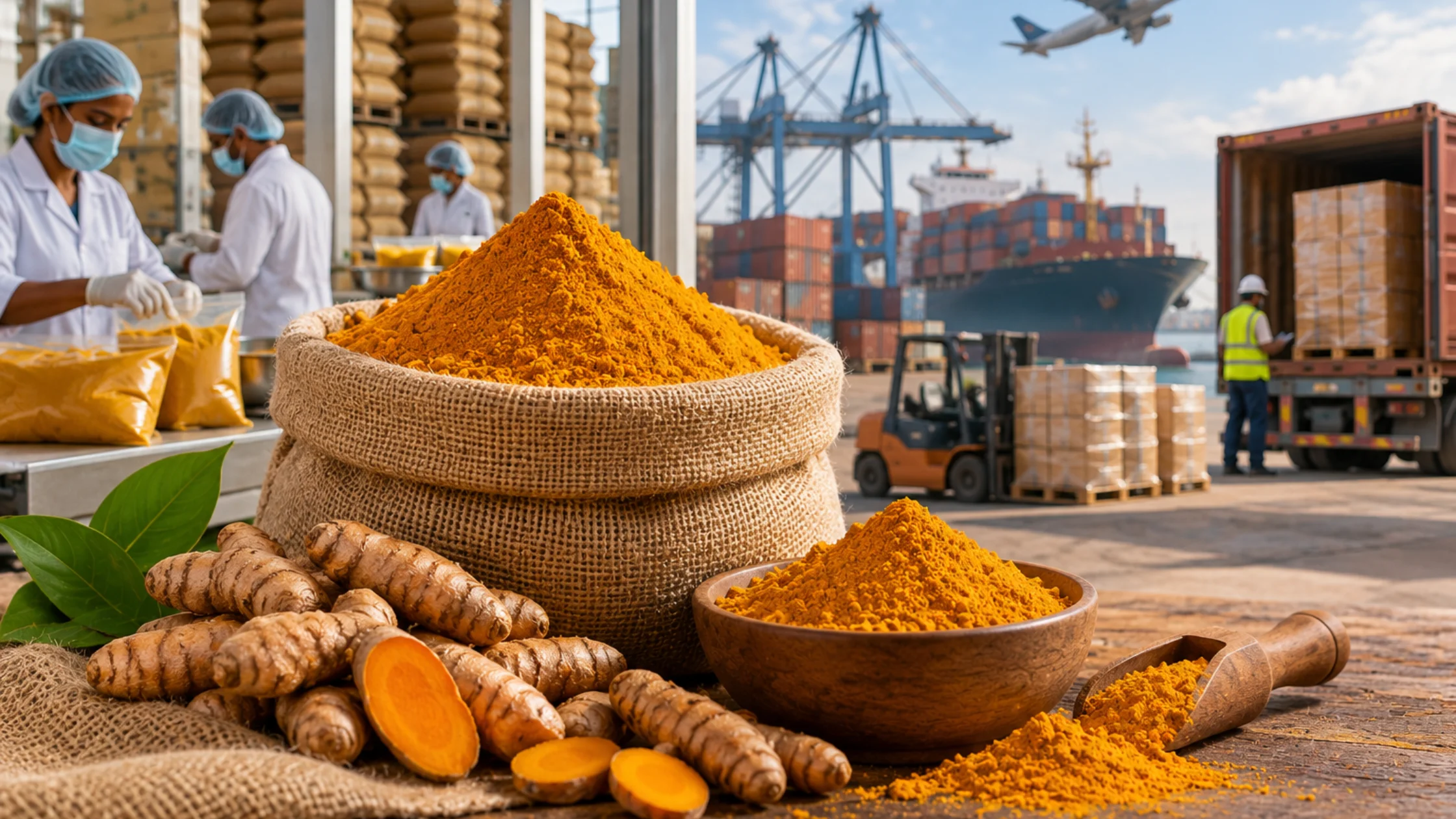
Turmeric is one of the most widely used spices in the food industry, valued for its golden-yellow colour, earthy flavour, and versatility. From seasoning blends and curry powders to packaged foods and commercial kitchens, businesses require a consistent supply of turmeric that meets their quality expectations. Finding the right Turmeric Powder Exporter is essential for importers, wholesalers, distributors, and food manufacturers purchasing in bulk. Prism Exports works with businesses seeking Indian spices, taking product criteria and purchasing needs into account. When comparing suppliers, businesses should evaluate quality, packaging, documentation, pricing, and delivery capabilities. Working with Prism Exports can be a starting point for discussing turmeric sourcing needs and identifying suitable export solutions.
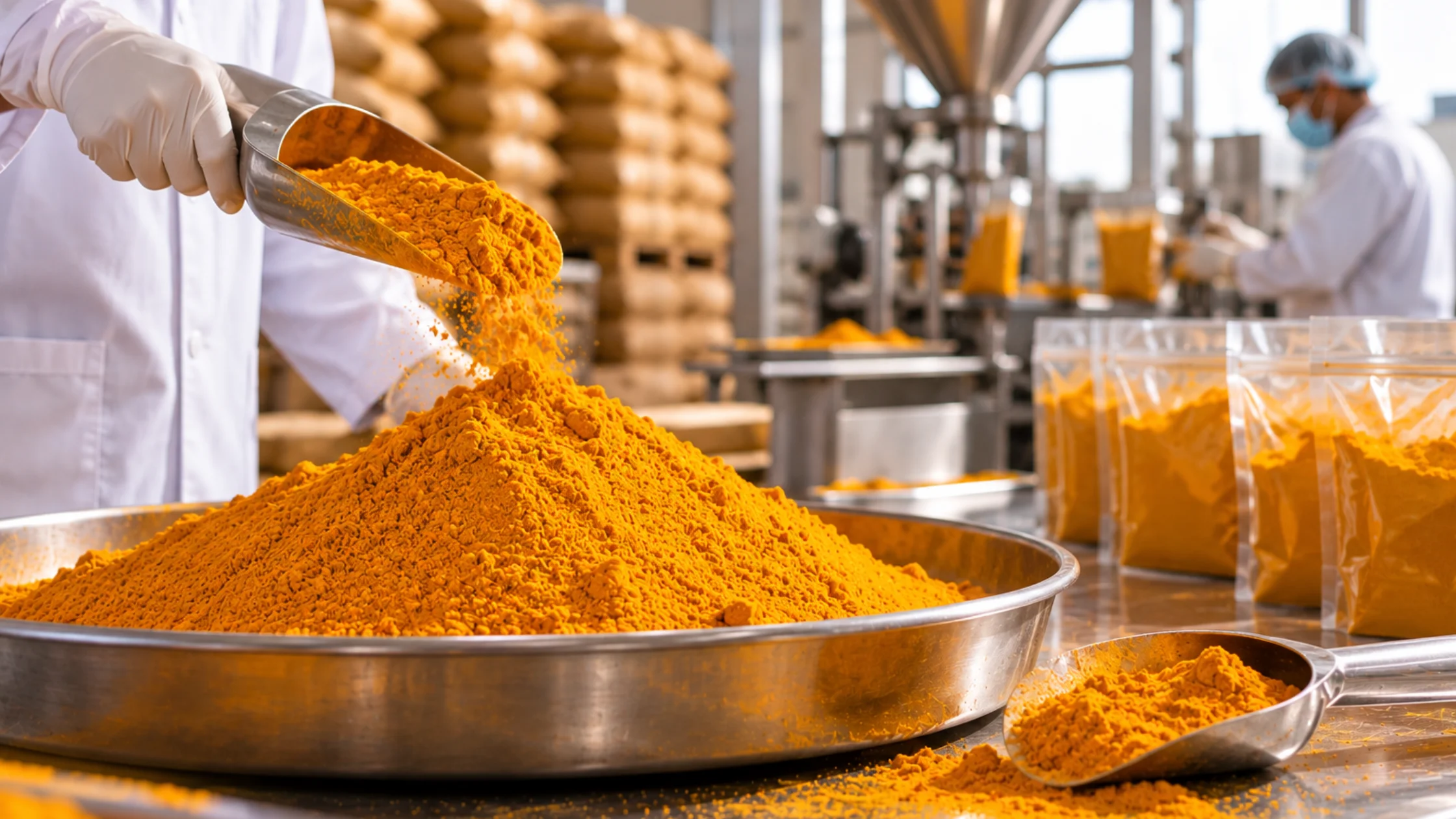
1. Why Is Choosing the Right Turmeric Powder Exporter Important?
Bulk turmeric purchasing requires more than finding an attractive price. Product consistency, food safety, and dependable supply all influence the quality of the final product.
Consistent Product Quality
Turmeric powder can differ in colour, aroma, texture, moisture content, and curcumin concentration. These characteristics depend on the turmeric variety, growing conditions, processing methods, and storage practices.
A reliable exporter should be able to explain the product specifications and provide relevant quality documentation. Buyers can request samples before placing large orders to confirm whether the powder suits their application.
Reliable Supply for Bulk Orders
Food manufacturers and wholesale distributors often need regular deliveries to maintain production and stock levels. Unexpected delays or inconsistent product quality can affect manufacturing schedules and customer satisfaction.
Before confirming an order, discuss the supplier's available quantity, production or procurement lead time, packaging options, and ability to support repeat purchases.
2. Where Can You Find a Reliable Turmeric Powder Exporter?
Businesses can identify potential exporters through industry directories, trade exhibitions, business-to-business platforms, referrals, and company websites. However, finding a supplier is only the first step; verifying its capabilities is equally important.
Explore Established Export Businesses
Start by identifying companies that specialise in Indian spices and have experience handling international buyer requirements. Review their product information, business credentials, contact details, and available export documentation.
Prism Exports is one option for businesses to contact when exploring turmeric and other Indian spice sourcing opportunities. Buyers should directly confirm its current product availability, specifications, order quantities, and export capabilities before placing an order.
Use Samples and Supplier Verification
A professional sourcing process should include:
- Requesting product samples and written specifications.
- Checking business registration and applicable export credentials.
- Reviewing relevant laboratory reports or quality certificates.
- Confirming minimum order quantities and payment terms.
- Discussing shipment schedules and delivery responsibilities.
These checks help buyers compare suppliers using practical information rather than relying solely on advertising claims.
3. What Quality Standards Should You Check Before Buying?
Turmeric powder quality affects the appearance, flavour, safety, and consistency of food products. Buyers should define their quality expectations before agreeing to a bulk purchase.
Colour, Aroma, and Curcumin Content
Turmeric's natural yellow colour is an important characteristic for many applications. Buyers may also specify aroma, flavour, particle size, and curcumin content.
Curcumin is a naturally occurring compound in turmeric, but its concentration varies. If a particular level is required, request suitable test results and include the agreed specification in the purchase contract.
Moisture, Contaminants, and Food Safety
Excessive moisture can contribute to deterioration during storage. Buyers should also consider foreign matter, microbiological contamination, pesticide residues, and heavy metals where relevant.
Depending on the product and destination, ask for appropriate laboratory testing and documentation. Applicable limits and testing requirements should be confirmed against the regulations of the importing country.
4. Understanding Turmeric for Export
Not all turmeric products are intended for the same market. Some buyers require processed powder, while others prefer dried turmeric fingers for further processing or resale.
Turmeric Powder
Turmeric powder is used in curry blends, sauces, soups, snack seasonings, marinades, and other food products. Its particle size, colour, aroma, and purity should match the buyer's intended application.
Whole Turmeric Fingers
Whole turmeric fingers are dried rhizomes that can be sold as a spice or processed into powder. Buyers may evaluate their size, colour, dryness, cleanliness, and physical condition.
A Whole Turmeric Exporter should be able to clarify the product grade, available quantity, packaging, and relevant shipment requirements.
Choosing the Right Product
Consider the following factors before selecting a turmeric product:
- Intended use: Food manufacturing, retail packaging, wholesale, or further processing.
- Processing needs: Ready-to-use powder or whole fingers for grinding.
- Quality specifications: Colour, moisture, curcumin content, and purity.
- Market requirements: Labelling, food safety, and import regulations.
Clearly defined requirements make it easier to compare quotations and reduce the risk of receiving unsuitable goods.
5. Turmeric Finger Supplier vs. Turmeric Powder Supplier
Both types of suppliers serve different needs. The best option depends on how the buyer intends to use, process, or distribute the turmeric.
| Comparison Factor | Turmeric Finger Supplier | Turmeric Powder Supplier |
| Product form | Whole dried turmeric rhizomes | Ground turmeric powder |
| Common applications | Grinding, processing, wholesale, and resale | Seasonings, food production, and retail packaging |
| Processing needs | Grinding may be required | Generally ready for the specified application |
| Quality checks | Size, dryness, cleanliness, and physical condition | Colour, aroma, particle size, moisture, and purity |
| Storage considerations | Store in a dry, clean environment to prevent moisture and contamination. | Requires protection from moisture and external odours |
| Best suited for | Buyers with processing facilities or whole-spice markets | Buyers needing ready-to-use turmeric powder |
When choosing between the two, consider processing costs, equipment, storage conditions, and the specifications required by your customers.
6. How Does a Turmeric Manufacturer in India Support Bulk Buyers?
Working directly with a suitable manufacturer may help buyers understand product processing, available grades, and production specifications. However, manufacturing capabilities and export services vary between businesses.
Processing and Product Specifications
A Turmeric Manufacturer India business may handle activities such as cleaning, drying, grinding, sieving, and packaging, depending on its facilities and product range.
Buyers should ask about processing methods, quality-control procedures, batch consistency, and whether product specifications can be maintained across repeat orders.
Customisation and Order Planning
Commercial buyers may require particular powder fineness, packaging sizes, or product specifications. These requirements should be discussed before production or procurement begins.
It is also useful to confirm:
- Minimum order quantities.
- Sample approval procedures.
- Available packaging formats.
- Production or procurement lead times.
- Batch identification and traceability.
- Procedures for handling quality concerns.
Clear agreements help both parties understand their responsibilities throughout the order process.
7. Bulk Packaging, Export Documentation, and Shipping
Packaging and logistics are important parts of international turmeric sourcing. Even good-quality turmeric can lose its intended characteristics if it is exposed to moisture, contamination, or unsuitable storage conditions.
Selecting Appropriate Packaging
Depending on the buyer's needs, turmeric powder may be packed in food-grade bags, multi-layer packaging, or other suitable bulk formats. Packaging should protect the product during handling, transportation, and storage.
Before ordering, confirm the net weight, packaging material, labelling information, and any requirements for pallets or container loading.
Understanding Export Documentation
International spice shipments may require commercial invoices, packing lists, shipping documents, customs declarations, and additional product-specific certificates.
Requirements vary by destination and transaction. Buyers should confirm applicable food-import rules, documentation, labelling requirements, and testing obligations before shipment.
Planning Delivery Schedules
Before confirming an order, agree on when it will ship, how it will travel, who handles delivery and applicable insurance, and what steps to take if delays occur.
A written agreement that clearly records product specifications, quantities, prices, and delivery conditions can help prevent misunderstandings.
8. How to Compare Turmeric Exporters and Their Prices
When ordering turmeric in large quantities, compare the full offer—including quality, consistency, and service—instead of choosing solely by the lowest price.
Factors That Influence Turmeric Prices
Turmeric prices may vary according to:
- Raw material availability and seasonal conditions.
- Product grade, colour, and curcumin specifications.
- Processing and packaging costs.
- Order quantity and frequency.
- Laboratory testing and compliance requirements.
- Freight charges, destination, and delivery terms.
Compare quotations on an equivalent basis. For example, ensure that the products have similar specifications and that the quoted prices include comparable packaging and shipping arrangements.
Build a Long-Term Supplier Relationship
Once you identify a suitable supplier, maintain clear communication about forecasts, quality expectations, payment terms, and future orders.
Regular quality reviews and documented specifications can support more predictable procurement. Buyers should also agree on a process for addressing discrepancies between approved samples and delivered products.
9. Frequently Asked Questions
1. How can I find a reliable Turmeric Powder Exporter?
Search trade directories, industry networks, company websites, and spice exhibitions. Verify business credentials, request samples, review relevant quality reports, and confirm export capabilities before placing a bulk order.
2. What should I check before purchasing turmeric powder in bulk?
Review colour, aroma, moisture content, particle size, purity, curcumin content where required, packaging, and relevant food-safety test results. Confirm that the product meets your destination market's requirements.
3. What is the difference between turmeric powder and turmeric fingers?
Turmeric powder is a ground product generally used directly in food preparation or manufacturing. Turmeric fingers are whole dried rhizomes that can be sold as whole spices or processed further.
4. What documents are required to export turmeric?
Common documents may include a commercial invoice, packing list, shipping documents, and customs declarations. Additional registrations, certificates, or laboratory reports may be required depending on the destination and shipment.
5. Can I order turmeric powder for commercial use?
Yes. Food manufacturers, distributors, wholesalers, and other commercial buyers can enquire about bulk purchasing. Minimum quantities, specifications, packaging, and lead times depend on the supplier and order requirements.
Conclusion: Find the Right Turmeric Export Partner
Finding a dependable turmeric supplier requires careful attention to product quality, documentation, packaging, pricing, and delivery schedules. Whether you need ground turmeric for food manufacturing or whole turmeric fingers for further processing, defining your requirements helps you identify suppliers that suit your business.
Prism Exports welcomes enquiries from businesses exploring Indian spice sourcing and export opportunities. Contact Prism Exports to discuss your turmeric requirements, request available product specifications, and enquire about bulk-order options. Confirm product availability, quality documentation, commercial terms, and shipping arrangements before placing your order.
Follow us on Instagram for updates and business information: https://www.instagram.com/prismexports/
Take the next step towards building a reliable turmeric sourcing relationship for your business.



